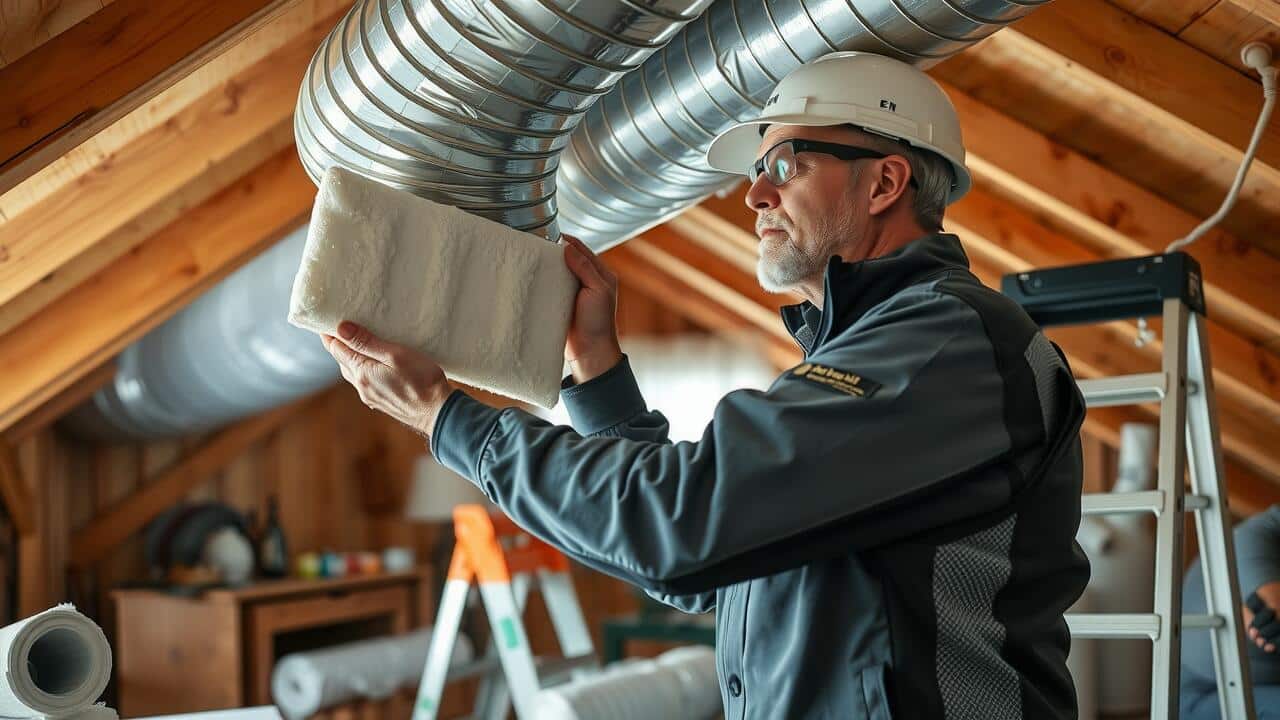
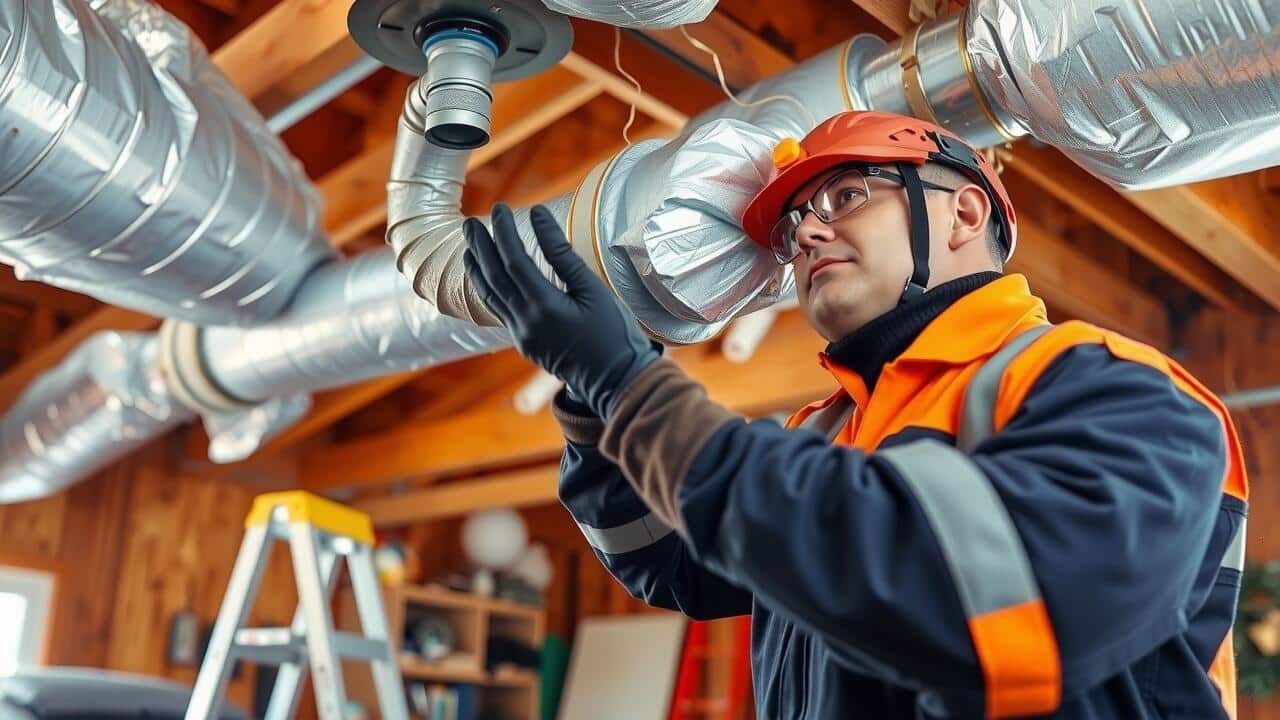
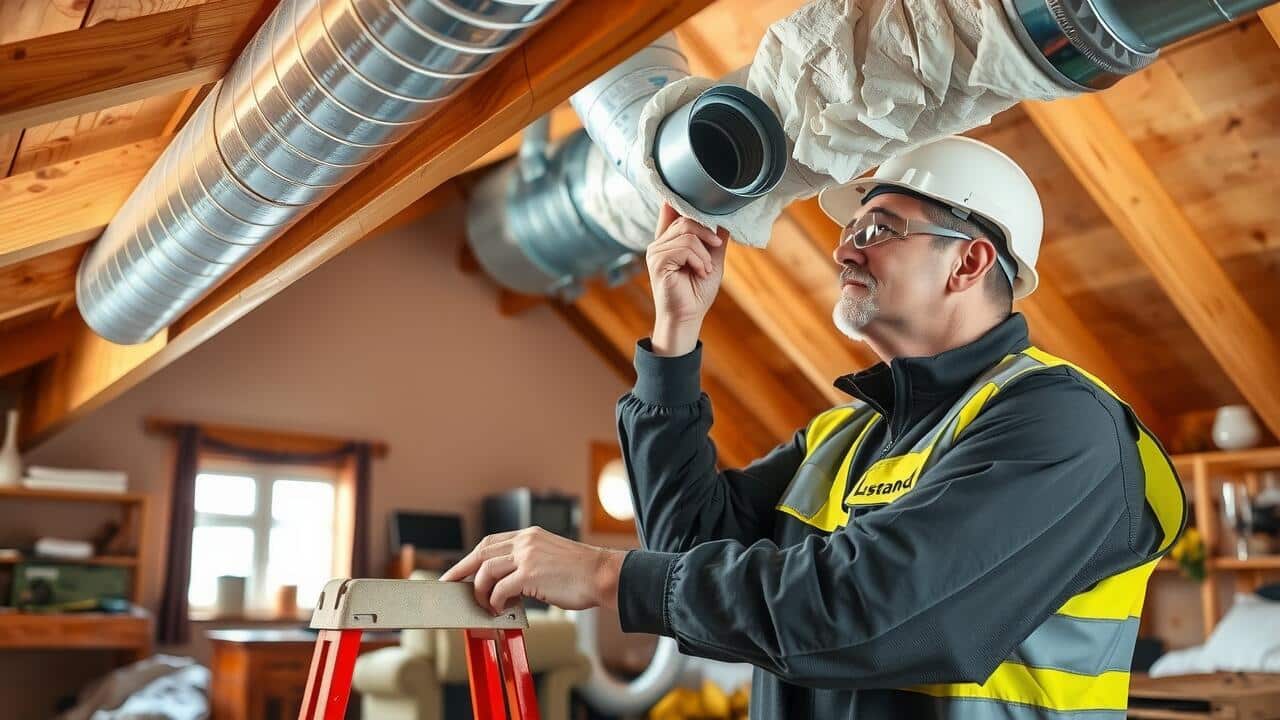
At Ultra Air Duct Cleaning & Restoration Austin, our Air Duct Insulation service is designed to enhance your home’s energy efficiency while improving indoor air quality. Properly insulated air ducts prevent the loss of conditioned air, ensuring that your HVAC system operates efficiently and effectively. Our team of experienced professionals uses high-quality insulation materials to minimize energy waste and reduce utility bills. Additionally, insulating your air ducts helps to prevent moisture buildup, which can lead to mold growth and other health hazards. Trust Ultra Air Duct Cleaning & Restoration Austin to provide top-notch air duct insulation services that keep your home comfortable and safe year-round.
Impact of Insulation on HVAC Performance
Insulation plays a critical role in the efficiency and performance of HVAC systems. Proper insulation of air ducts minimizes heat loss or gain as conditioned air travels through the ductwork. Materials such as fiberglass, foam, and foil effectively maintain the optimal temperature of the air, reducing the workload on the furnace or air conditioning unit. This contributes to enhanced energy efficiency, allowing homeowners to enjoy a comfortable indoor environment without significantly impacting energy costs.
In addition to temperature regulation, insulation also helps reduce noise generated by the HVAC system. Insulated ducts can dampen vibrations and minimize sound transmission, leading to a quieter experience. Furthermore, effective thermal insulation aids in moisture control, significantly decreasing the risk of condensation within ductwork. This is particularly important for pipes and ducts located in attics or unconditioned spaces where temperature fluctuations are common. Ensuring that insulation is properly installed and maintained can markedly improve overall HVAC performance.
How Insulation Affects Energy Costs
Proper insulation in air ducts plays a significant role in overall energy efficiency. When ducts are insulated effectively, they help maintain the desired temperature of the air traveling through them, minimizing heat loss in winter and heat gain in summer. This translates to reduced workload on heating and cooling systems, which can lead to lower energy bills. Reflective insulation, for example, can be highly effective in climates with extreme temperature fluctuations, as it reduces the emissivity of surfaces and reflects radiant heat away from or towards the conditioned space, depending on the season.
Addressing potential issues like leakage and mold growth also plays a crucial part in energy savings. Poorly insulated or damaged ducts can lead to substantial energy loss, significantly increasing costs. By regularly inspecting and repairing insulation, homeowners can ensure that their HVAC systems operate efficiently. Utilizing materials like aluminum foil or self-adhesive blankets can aid in sealing ducts judiciously, preventing airflow complications that might otherwise contribute to higher bills. Regular maintenance helps in preserving both indoor air quality and the effectiveness of insulation, ultimately supporting long-term energy savings.
Understanding Vapor Barriers
Vapor barriers are crucial components in insulation systems, acting as protective layers that prevent moisture from penetrating the insulated areas. These barriers are typically made of materials like polyethylene or foil and are strategically placed within walls, ceilings, and ducts. By controlling humidity levels, vapor barriers help reduce the likelihood of mold growth and structural damage within HVAC systems. This contributes to a healthier indoor environment, minimizing allergens and enhancing air quality.
Proper installation of vapor barriers is essential for maximizing their effectiveness. Ensuring that seams are sealed with duct tape or adhesive prevents air leaks, further safeguarding against moisture intrusion. Regular inspections of the vapor barriers can identify wear and tear caused by time and environmental factors. Addressing any damage swiftly can maintain the efficiency of the insulation and keep energy costs low.
The Role of Vapor Barriers in Insulation
Vapor barriers serve a crucial function in maintaining the integrity of insulation within HVAC systems. These barriers are typically made from materials like polyethylene or foil and act as a shield against moisture, preventing condensation from forming within duct work. When warm air passes through cooler ducts, the resultant dew point can lead to mold growth and deterioration of insulation materials. Proper installation of vapor barriers can significantly enhance the overall efficiency of heating and air conditioning systems by ensuring that the thermal envelope remains intact.
In addition to preventing moisture intrusion, vapor barriers contribute to energy efficiency. They help mitigate heat loss and gain during the heating and cooling processes, ensuring that the desired temperature is maintained within indoor environments. A well-designed vapor barrier can enhance the R-value of insulation material, leading to lower energy costs and improved climate control. Ensuring that vapor barriers are correctly implemented within ducts and around areas like crawlspaces and dropped ceilings can contribute to reducing greenhouse gas emissions and promote energy conservation.
Tips for Maintaining Insulated Ducts
Maintaining insulated ducts is crucial for optimizing energy efficiency and ensuring the best indoor air quality. Regular inspections are essential. Check for any signs of wear and tear, including holes or gaps in the insulation. Damaged insulation can lead to thermal barriers being compromised, resulting in increased energy costs. Ensure that the protective gear used during maintenance is practical and effective. Consider the types of insulation materials installed. Fiberglass and foam boards might require different approaches for upkeep, particularly in preventing moisture accumulation that can lead to mold growth.
Regularly clear the ducts of debris and allergens to maintain a clean airflow. Inspect joints and seams for proper sealing; use duct tape or other appropriate sealing materials if necessary. It is also beneficial to check for any obstructions that could hinder airflow. The thermostat location can affect the efficiency of your heating and cooling systems, so ensure it is unobstructed. Adequate maintenance practices not only enhance system reliability but also contribute to reduced greenhouse gas emissions.
Regular Inspections and Upkeep
Regular checks on insulated ducts can significantly extend their lifespan. Inspecting for signs of wear, such as fraying insulation or damages caused by pests, is essential. Dust and debris accumulation may hinder performance, leading to higher energy costs. A quick vacuum or wipe can maintain efficiency and cleanliness. Attention to any leaks or gaps in cladding can prevent not only energy loss but also moisture problems that could foster mold growth.
In addition to visual inspections, it’s crucial to address potential sources of indoor air pollution. Carbon monoxide (CO) leaks or VOCs from nearby appliances require immediate action. Ensuring that the duct insulation is intact helps control humidity levels and minimizes the chances of bacteria and allergens circulating in the air. Routine upkeep also includes checking vapor barriers, as these play a vital role in preventing water damage and extending the durability of duct systems.
FAQS
What is air duct insulation?
Air duct insulation refers to the material used to cover and insulate air ducts in heating, ventilation, and air conditioning (HVAC) systems to improve energy efficiency and temperature control.
How does insulation impact HVAC performance?
Proper insulation helps maintain the desired temperature of the air being transported through the ducts, reducing energy loss and improving the overall efficiency and performance of HVAC systems.
What are vapor barriers, and why are they important?
Vapor barriers are materials that prevent moisture from passing through insulation, which helps to protect the insulation’s effectiveness and prevent mold growth in duct systems.
How can I reduce my energy costs with air duct insulation?
Insulating your air ducts can significantly lower energy costs by minimizing heat loss or gain during air transport, allowing your HVAC system to operate more efficiently.
What are some tips for maintaining insulated ducts?
Tips include conducting regular inspections for signs of wear or damage, ensuring proper sealing of joints, and cleaning ducts to prevent debris buildup that could compromise insulation effectiveness.