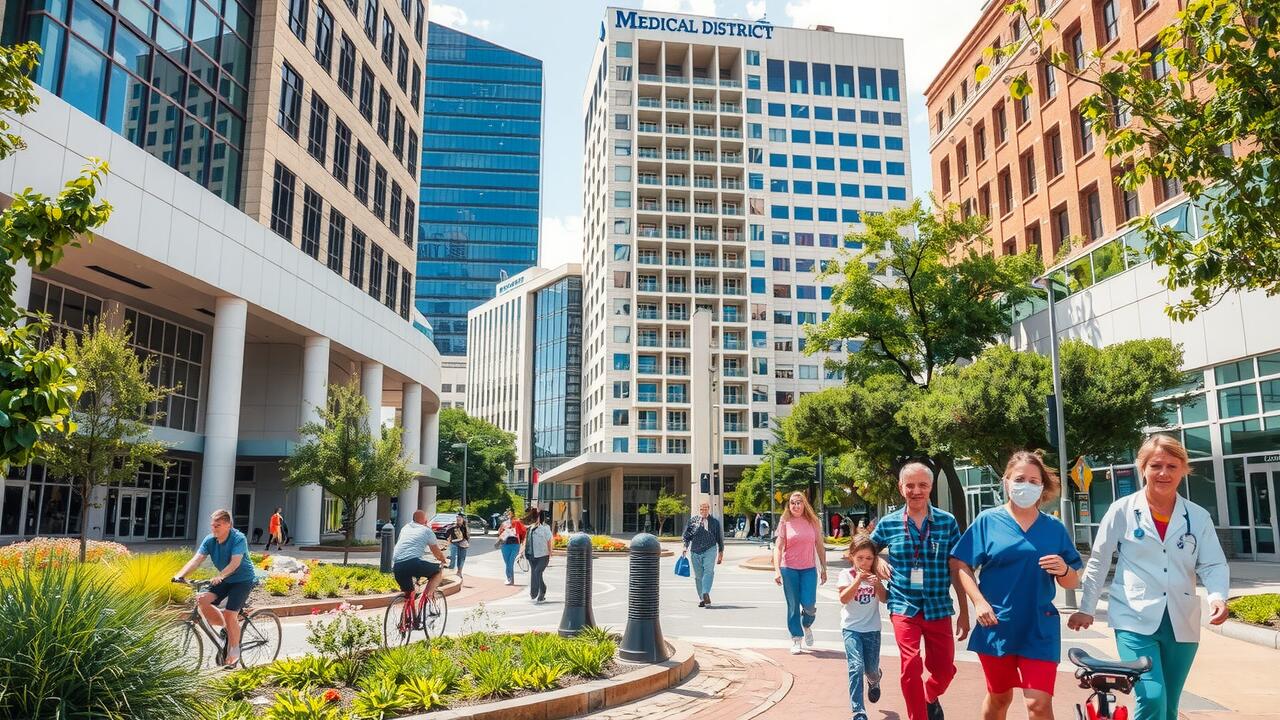
Community Health Initiatives
The Medical District in Austin is home to a variety of community health initiatives aimed at improving the overall well-being of its residents. These programs often focus on preventive care, education, and access to resources. Local health organizations collaborate with healthcare providers to offer free screenings, health fairs, and wellness workshops. Efforts are made to address health disparities by targeting underserved populations, ensuring everyone has the opportunity to receive quality healthcare services.
In addition to traditional healthcare services, community-driven programs prioritize mental health and substance abuse support. Outreach initiatives connect individuals to counseling, support groups, and rehabilitation services. Partnerships with schools and recreational centers also promote healthy lifestyles through nutrition education and physical fitness activities. Such initiatives play a vital role in fostering a healthier community by addressing a wide range of health-related issues and encouraging proactive engagement in personal health management.
Collaboration with Local Organizations
Local organizations play a pivotal role in enhancing the health outcomes of the Medical District. Partnerships between hospitals, community health centers, and non-profit entities facilitate the provision of essential health services to underserved populations. These collaborations often lead to innovative health programs tailored to meet specific community needs. By pooling resources and sharing expertise, these organizations create comprehensive care networks that benefit everyone in the area.
Coordinated efforts between various stakeholders also aim to address social determinants of health. Educational initiatives focus on preventive care, nutrition, and mental health, ensuring that residents have access to vital information. Outreach programs often target specific demographics, such as low-income families or seniors, providing them with the resources necessary to improve their well-being. Strong ties with local organizations foster a sense of community engagement and empowerment.
Transportation Options in the Medical District
Navigating the Medical District in Austin offers several convenient transportation options for residents and visitors alike. Public transit services, including buses and rail, provide direct access to major healthcare institutions, making it easier for patients and staff to commute. Additionally, the district is well-designed for pedestrians and cyclists, featuring safe walkways and bike lanes to encourage alternative modes of transport.
Ride-sharing services have also become increasingly popular in the area, offering flexibility for those who prefer not to drive. Parking facilities are available, though they can be limited due to the district’s popularity. Overall, the variety of transportation options enhances accessibility, ensuring that the Medical District remains connected to the broader Austin community.
Accessibility and Public Transit
The Medical District in Austin is strategically designed to facilitate easy access to healthcare facilities for both residents and visitors. A network of well-planned streets enhances connectivity, making it convenient for individuals to reach their destinations. Walkability plays a significant role in this area, encouraging those nearby to utilize pedestrian pathways. Bicycle lanes are also incorporated, promoting eco-friendly travel options.
Public transportation options are integral to the district’s accessibility. Capital Metro operates several bus routes that connect the Medical District to various parts of the Austin metropolitan area. The proximity of major transit hubs further supports this connectivity, enabling efficient movement for patients, healthcare workers, and visitors alike. This focus on accessibility through diverse transit options fosters a more inclusive environment for healthcare services.
Economic Impact of the Medical District
The Medical District serves as a significant economic driver for Austin, contributing to both local job creation and the expansion of related industries. With numerous healthcare facilities, research institutions, and educational organizations within its boundaries, the area fosters an environment ripe for innovation and collaboration. This concentration of resources attracts investments, supporting startups and established companies alike.
The growth of the Medical District not only enhances the local economy by increasing employment opportunities but also stimulates demand for goods and services in surrounding neighborhoods. As more professionals move into the area, local businesses benefit from a larger customer base. The interplay between healthcare advancements and economic development reinforces the district’s pivotal role in shaping Austin’s economic landscape.
Job Creation and Local Economy
The Medical District in Austin serves as a significant driver of economic growth within the region. This area houses numerous hospitals, research facilities, and educational institutions, all of which contribute to job creation. With a steady influx of healthcare professionals, administrative staff, and support workers, the demand for skilled labor has expanded, providing ample employment opportunities for residents. Local businesses also thrive due to the consistent foot traffic generated by patients, staff, and visitors, further stimulating the economy.
The economic impact extends beyond direct job creation. As healthcare institutions grow and innovate, they catalyze the development of ancillary services and industries. Nearby restaurants, retail outlets, and housing developments often emerge in response to the district’s demands, fostering a more vibrant community. This interdependence reinforces the local economy, creating a network of support that benefits both residents and businesses alike. The presence of the Medical District instigates positive economic ripple effects, encouraging investment and development throughout Austin.
FAQS
What is the Medical District in Austin?
The Medical District in Austin is a designated area that encompasses various healthcare facilities, research institutions, and community health organizations, aimed at improving health services and outcomes for residents.
How do community health initiatives in the Medical District benefit local residents?
Community health initiatives in the Medical District focus on providing accessible healthcare services, health education, and preventive care, which collectively enhance the overall health and well-being of local residents.
What transportation options are available in the Medical District?
The Medical District offers a variety of transportation options, including public transit services, ride-sharing programs, and bike lanes, making it easier for residents and visitors to access healthcare facilities.
Are there programs in the Medical District that promote collaboration with local organizations?
Yes, the Medical District actively collaborates with local organizations, nonprofits, and healthcare providers to enhance health services and create community-focused programs that address specific health needs.
What is the economic impact of the Medical District on the local economy?
The Medical District contributes significantly to the local economy by creating jobs, attracting businesses, and fostering innovation in healthcare, which in turn stimulates economic growth in the surrounding areas.
Medical District, Austin
Services Provided by Ultra Air Duct Cleaning & Restoration Austin in the Medical District, Austin area:
Furnace Cleaning
Dryer Vent Cleaning
Chimney repair
Mold Remediation
Air Filter Replacement
Air Duct Cleaning
Chimney cleaning
Chimney sweep
Fire damage restoration service
Air Duct Sanitizing
Air Duct Video Inspection
Air Duct Installation
Air Duct Troubleshooting
Air Duct Repair
Blower Motor Cleaning
Air Handler Cleaning
Air Quality Testing
Insulation contractor
Air Duct Odor Removal
Air Duct Insulation
Air Duct Sealing
Air Duct Maintenance
Gutter cleaning service
Carpet cleaning service
Upholstery cleaning service
Commercial Air Duct Cleaning
UV Light Installation
Home Sanitizing
Water damage restoration service