Table Of Contents
Installation Process for Duct Insulation
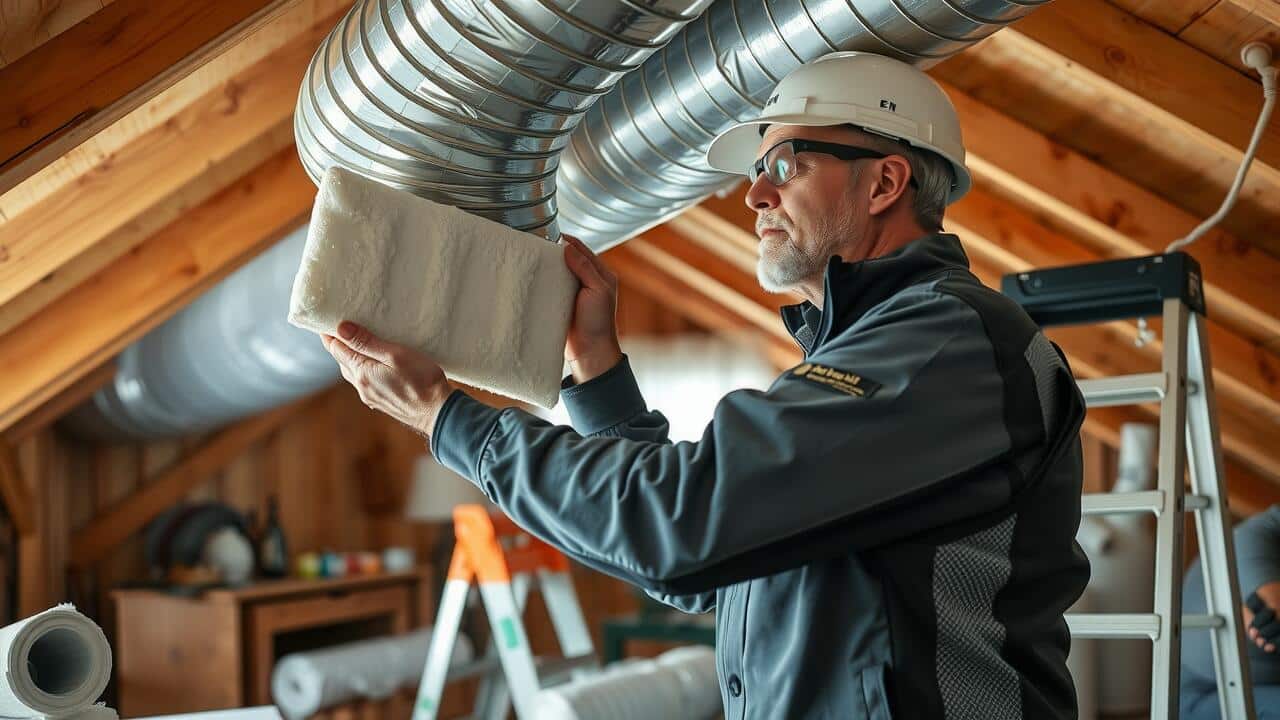
The installation process for air duct insulation involves several key steps to ensure optimal performance and energy efficiency. First, the ducts should be thoroughly inspected for any leaks or damage. Addressing these issues is crucial before applying insulation, as sealing leaks enhances the insulation’s effectiveness. Once the ducts are ready, the insulation material can be selected based on the specific needs of the system, whether it be fibrous materials, foam, or reflective barriers. Proper measurements are essential for cutting the insulation to fit snugly around the ducts.
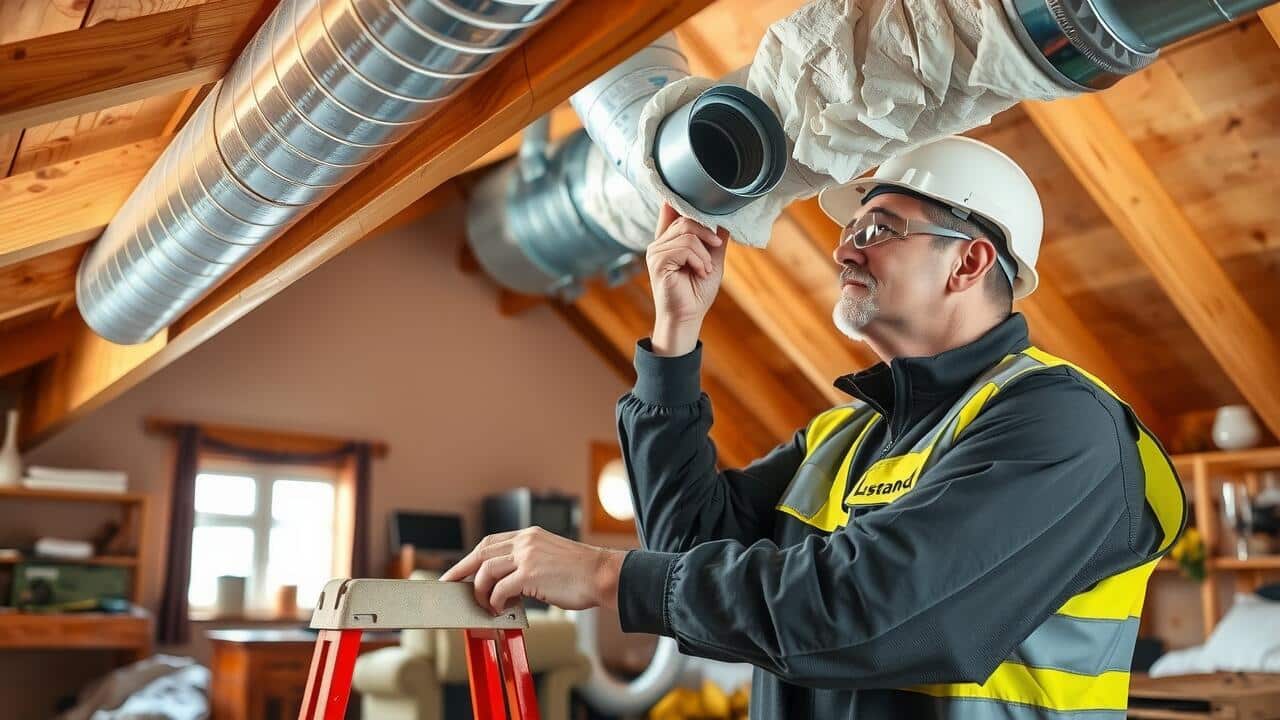
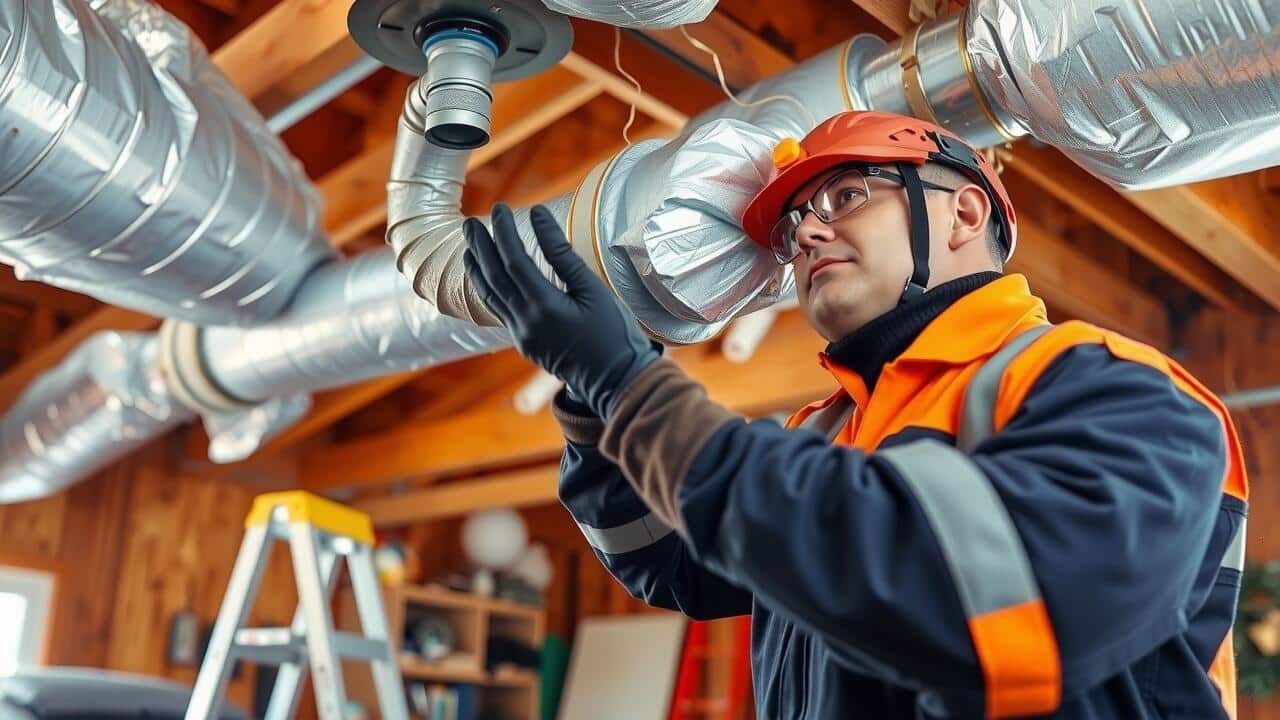
After gathering the necessary materials, begin wrapping the ducts in insulation, ensuring there are no gaps or exposed sections. Use appropriate fastening methods, such as duct tape or fasteners, to secure the insulation in place. If using fiberglass insulation, consider wearing protective gear to avoid skin irritation. Finally, conduct a thorough check post-installation to confirm that everything is secure and meets local building codes. Properly installed air duct insulation can greatly contribute to energy savings and enhanced comfort in the home.
DIY vs. Professional Installation
Many homeowners choose to tackle air duct insulation as a DIY project to save on labor costs. If you have a solid understanding of HVAC systems and the necessary tools, insulating your ductwork can be manageable. Proper measurements, the right materials, and adequate personal protective equipment are crucial to achieving effective results. Missteps can lead to wasted materials and reduced efficiency, making it essential to approach the project with care and attention to detail.
On the other hand, hiring a professional for air duct insulation provides a level of expertise that can be invaluable. Professionals possess the experience to identify potential issues that may be overlooked by an untrained eye. They can ensure the insulation is applied correctly, maximizing energy efficiency and improving indoor air quality. Although this may involve higher upfront costs, the long-term benefits of a well-insulated duct system can often outweigh the initial investment.
Common Mistakes When Insulating Ductwork
One common mistake homeowners make when insulating ductwork is neglecting to inspect the ducts before installation. Damage or leaks often go unnoticed and can greatly undermine the effectiveness of Air Duct Insulation. Properly assessing the condition of the ducts ensures that insulation is applied where it is actually needed. Failing to address existing issues like leaks can lead to energy loss and diminished system efficiency.
Another frequent error involves using the wrong type of insulation material. Not all insulation is suitable for ductwork, and selecting an inappropriate product can cause moisture retention or inadequate thermal resistance. Homeowners should choose materials specifically designed for Air Duct Insulation to meet their needs. This helps in maximizing performance while minimizing potential problems later on.
Over-insulation Concerns
Over-insulation can create several problems within a ductwork system. When air ducts are excessively wrapped in insulation, it can lead to moisture buildup. This moisture can promote mold growth and impact indoor air quality. Additionally, the insulation can obscure temperature variations within the ducts, resulting in inefficient heating or cooling. Proper insulation should balance energy efficiency without compromising the integrity of the system.
Another concern with over-insulation revolves around accessibility for maintenance and repairs. If ducts are overly insulated, technicians may struggle to reach important areas during routine inspections. This difficulty can hinder timely repairs, potentially leading to longer-term inefficiencies or damage. Ensuring that Air Duct Insulation is applied correctly not only improves energy efficiency but also allows for easier access when maintenance is required.
Maintenance Tips for Insulated Ductwork
Regular inspections are crucial for maintaining insulated ductwork. Look for any signs of wear or damage, such as tears in the insulation or loose connections. These issues can lead to energy losses and reduced efficiency. If any problems are spotted, it’s important to address them promptly to ensure optimal performance of the HVAC system. Checking for condensation buildup is also essential, as excessive moisture can promote mold growth and compromise air quality.
Cleaning plays a significant role in the maintenance of insulated ductwork. Dust and debris can accumulate within the ducts over time, impacting airflow and efficiency. Schedule routine cleanings to keep air ducts clear and ensure that the Air Duct Insulation remains intact and effective. Using a professional service for cleaning can help reach areas that may be difficult to access. These steps contribute to both the longevity of the ductwork and the overall effectiveness of the insulation.
Regular Inspections and Cleaning
Regular inspections are essential to maintain the effectiveness of air duct insulation. Over time, ducts can accumulate dust, debris, and even mold, which can diminish indoor air quality and reduce energy efficiency. By scheduling routine check-ups, homeowners can identify potential issues early on. This proactive approach not only extends the lifespan of the insulation but also ensures that the HVAC system runs smoothly.
Cleaning insulated ducts is equally important for optimal performance. A clean duct system enhances airflow and prevents the unnecessary strain on heating and cooling systems. Homeowners should consider using professional cleaning services to reach deeper within the ductwork. Additionally, following up with periodic inspections will help maintain the integrity of the air duct insulation while promoting a healthier living environment.
FAQS
Why should ductwork be wrapped in insulation?
Wrapping ductwork in insulation helps to reduce energy loss, improve the efficiency of heating and cooling systems, and maintain consistent temperature levels throughout the home.
Can I insulate ductwork myself, or should I hire a professional?
While DIY insulation is possible, hiring a professional is recommended for optimal results, especially if you lack experience. Professionals can ensure proper installation and avoid common mistakes.
What are some common mistakes people make when insulating ductwork?
Common mistakes include using the wrong type of insulation, failing to seal joints properly, and over-insulating, which can lead to moisture issues.
What are the concerns related to over-insulation of ductwork?
Over-insulation can trap moisture, leading to mold growth, reduced air quality, and potential damage to the ductwork itself.
How often should I inspect and clean my insulated ductwork?
It’s advisable to inspect your insulated ductwork at least once a year and clean it as needed, or if you notice any signs of dust buildup or mold growth. Regular maintenance helps ensure optimal performance and longevity.