Table Of Contents
Types of Chimney Repairs Available
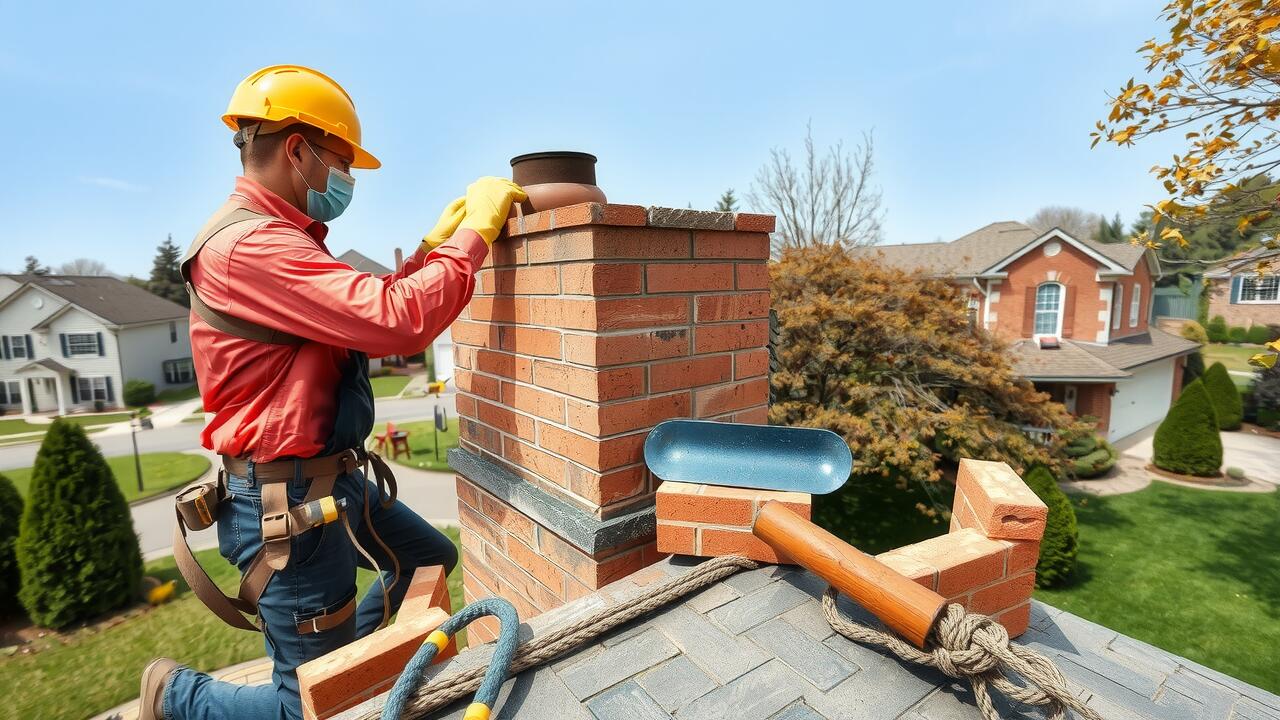
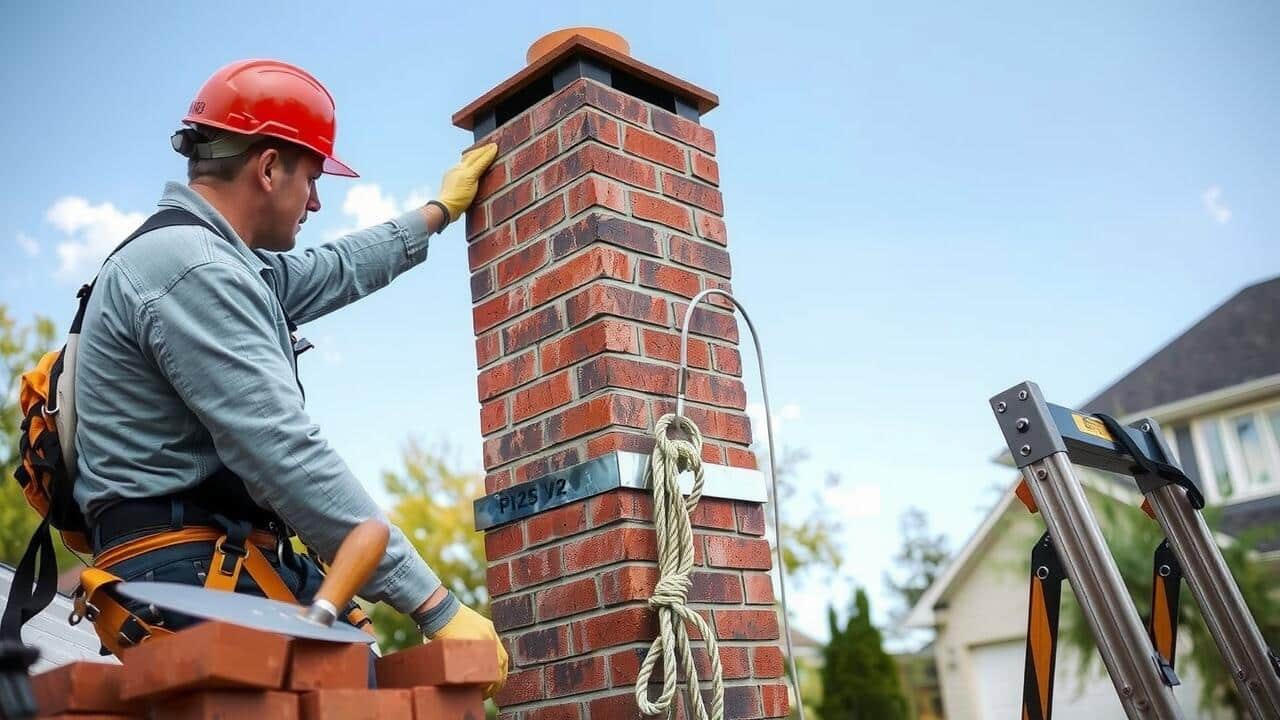
Chimney repair can encompass a variety of methods tailored to address specific issues. Common problems include cracks in the masonry, deteriorating caps, and damaged flues. To effectively remedy these issues, homeowners may opt for techniques such as tuckpointing, which involves replacing damaged mortar joints, or installing new flashing to prevent leaks. Each approach is designed to extend the lifespan of the chimney while ensuring its functionality.
Additionally, more serious structural problems may require a complete rebuild of certain chimney components. When the integrity of the chimney liner is compromised, it might necessitate relining with stainless steel or other durable materials. Homeowners should evaluate their options based on severity, overall condition, and budget considerations. Engaging a professional for chimney repair often provides a clearer understanding of both the repairs needed and the costs involved.
Overview of Common Repair Methods
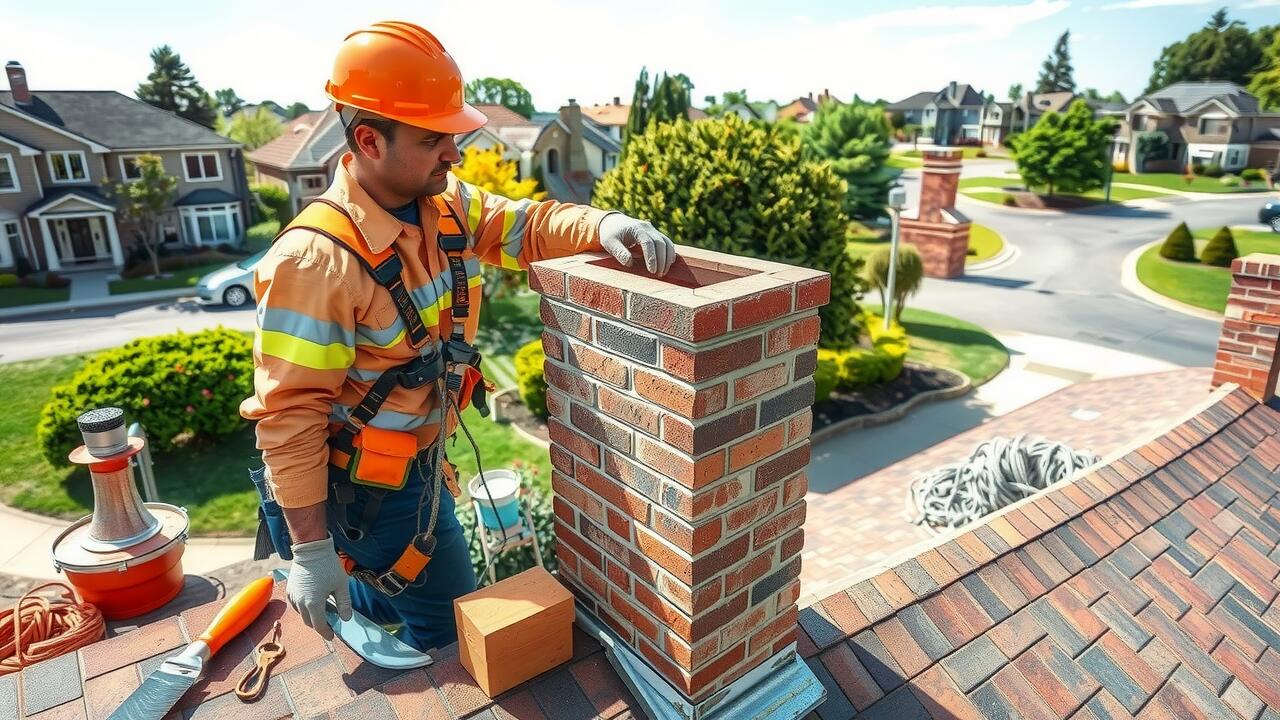
Chimney repair encompasses a variety of methods tailored to address specific issues that may arise over time. Common problems include cracked masonry, loose flashing, and damaged liners. Techniques such as tuckpointing are employed to restore the mortar joints between bricks. For more extensive damage, rebuilding sections of the chimney or installing new liners may be necessary to ensure proper functionality and safety.
Another approach to chimney repair involves addressing waterproofing and flashing issues. Proper sealing helps prevent water damage, which can lead to mold growth and structural deterioration. Additionally, a thorough inspection can identify any potential hazards, allowing homeowners to address problems before they escalate. Adopting regular maintenance routines for chimney repair ensures longevity and efficiency in heating systems, protecting both the home and the environment.
The Environmental Impact of Chimney Removal
Chimney removal can have significant environmental implications. The process often involves demolishing a structure that may contain materials like brick, mortar, and metal. When these materials are disposed of improperly, they contribute to landfill waste. Additionally, if the chimney is part of a larger ecosystem within the home, such as providing ventilation for combustion appliances, its removal could lead to safety issues or increased emissions if not replaced with proper chimney repair or alternative ventilation systems.
Choosing to remove a chimney instead of opting for chimney repair can also affect energy efficiency. A properly functioning chimney helps maintain air quality and energy balance in a home. Its absence might necessitate additional energy consumption to compensate for heat loss or improper ventilation. Homeowners should consider these factors when deciding between repair and removal, as the long-term environmental impact can outweigh initial cost considerations.
Eco-Friendly Disposal Options
When considering the eco-friendly disposal of a chimney, it’s important to focus on recycling materials whenever possible. Components such as bricks, metal, and masonry can often be repurposed in construction projects or landscaping designs. Salvaging these materials not only reduces waste in landfills but also helps preserve natural resources. For homeowners opting for chimney repair, this approach can serve as a sustainable solution alongside their renovation efforts.
Another option is to partner with local waste management services that specialize in eco-friendly disposal. Many municipalities offer recycling programs that include building materials, ensuring that discarded chimney parts are processed in an environmentally responsible manner. For those who choose chimney repair instead of complete removal, understanding these disposal methods can provide a more holistic view of their options while promoting sustainable practices.
The Role of Local Regulations in Chimney Work
Local regulations play a significant role in chimney work, influencing decisions about chimney repair or removal. Many municipalities require permits for any structural modifications, including repairs to chimneys. Homeowners need to familiarize themselves with these regulations to avoid fines or complications during the process. Some areas have specific codes regarding the safety and structural integrity of chimneys, which must be adhered to during repair work.
Additionally, regulations can dictate how and when chimney repairs should be performed. Certain inspections may be necessary, ensuring that the repaired chimney meets local safety standards. Ignoring these requirements can lead to larger issues if the work does not comply with established codes. Homeowners should consult local authorities to ensure their chimney repair plans align with the necessary guidelines.
Permits and Codes to Consider
When considering chimney repair or removal, understanding local regulations is crucial. Many municipalities have specific codes regarding the safety and structural integrity of chimneys. Homeowners are often required to obtain permits before initiating any work, whether it involves repairing existing structures or entirely removing a chimney. Ignoring these regulations can lead to fines or required reconstruction, making it essential to familiarize oneself with local building codes.
Permits typically involve inspections to ensure compliance with safety standards. A professional chimney repair service can guide homeowners through the process, helping to secure necessary paperwork and inspections. Engaging a licensed contractor often simplifies the navigation of these regulations, ensuring each step is taken according to legal requirements. Proper adherence to permits and codes safeguards not only the homeowner’s investment but also the safety of the entire home.
FAQS
What factors determine whether it’s cheaper to repair or remove a chimney?
The cost primarily depends on the extent of the damage, the type of repair needed, local labor costs, and any necessary permits. In some cases, minor repairs can be significantly cheaper than removal, while major structural issues may make removal more economical.
What types of chimney repairs are typically available?
Common chimney repairs include tuckpointing, flashing repair, crown repair, liner replacement, and damper repair. The specific method chosen will depend on the type of damage and the overall condition of the chimney.
Are there environmental concerns associated with chimney removal?
Yes, removing a chimney can have environmental impacts, such as increased waste and the carbon footprint from the disposal process. It’s important to consider eco-friendly disposal options and to understand how removal might affect your home’s energy efficiency.
Do I need a permit to remove or repair a chimney?
In many areas, permits are required for both chimney removal and significant repairs. It’s crucial to check local regulations and obtain the necessary permits to ensure compliance and avoid fines.
What are some eco-friendly disposal options for chimney materials?
Eco-friendly options may include recycling materials like bricks and metal or repurposing parts of the chimney in landscaping or construction projects. Consulting with local waste management and recycling centers can provide more information on available options.