Table Of Contents
Importance of Regular Maintenance
Regular maintenance of a chimney is crucial for ensuring its efficiency and safety. Over time, debris, soot, and creosote can accumulate, leading to blockages and potential fire hazards. Neglecting this aspect can result in costly chimney repairs down the line, as minor issues may escalate into major problems if left unaddressed. A well-maintained chimney not only enhances the performance of your fireplace or heating system but also prevents harmful emissions from entering your home.
Investing in routine inspections allows homeowners to identify early warning signs of deterioration. Cracks in the masonry or a damaged flue liner can compromise the structural integrity of the chimney. Addressing these issues promptly can prevent significant repair bills in the future. Understanding the importance of regular maintenance underscores the value of proactive measures, ensuring safe and efficient operation for years to come.
Preventing Major Repairs
Regular maintenance plays a crucial role in preventing major repairs down the line. When homeowners address minor issues promptly, they can avoid the significant costs associated with extensive damage. A small crack can lead to water intrusion, which weakens the structure over time. Routine inspections help identify these problems early, ensuring that chimney repair remains manageable and affordable.
Furthermore, neglecting a chimney can lead to dangerous situations, including chimney fires or carbon monoxide leaks. Having a professional conduct regular checks ensures that the chimney functions safely and effectively. By investing in maintenance, homeowners save money and protect their property from costly repairs later on. Prioritizing chimney repair is not just about aesthetics but also about safety and functionality.
Choosing the Right Professional
Finding the right professional for chimney repair is crucial to ensure a safe and effective service. Begin by looking for contractors who specialize in chimney work. Professionals with experience in this field will have a better understanding of the various issues that can arise, from structural problems to code compliance. Checking their references and prior work can provide insight into their reliability and quality of service.
Credentials are essential when selecting a chimney repair expert. Verify that the contractor is licensed and insured, which protects you in case of accidents during the repair process. Membership in professional associations can also indicate a commitment to ongoing education and adherence to industry standards. By opting for a qualified professional, you can feel confident that the repair work will meet safety standards and improve the longevity of your chimney.
Credentials to Look For
When seeking a professional for chimney repair, consider their licensing and insurance status. A licensed contractor demonstrates that they have undergone the necessary training and adhere to local building codes. Insurance protects both you and the contractor from potential liabilities during the repair process. Always ask for proof of these credentials before making your decision.
It is also beneficial to look for certifications from recognized organizations in chimney repair and masonry. These certifications indicate that the contractor has extensive knowledge and experience in the field. Reviews and testimonials from previous clients can provide insight into the quality of their work. Selecting a qualified professional ensures that your chimney repair is handled effectively and safely.
Tools and Materials Needed for Repairs
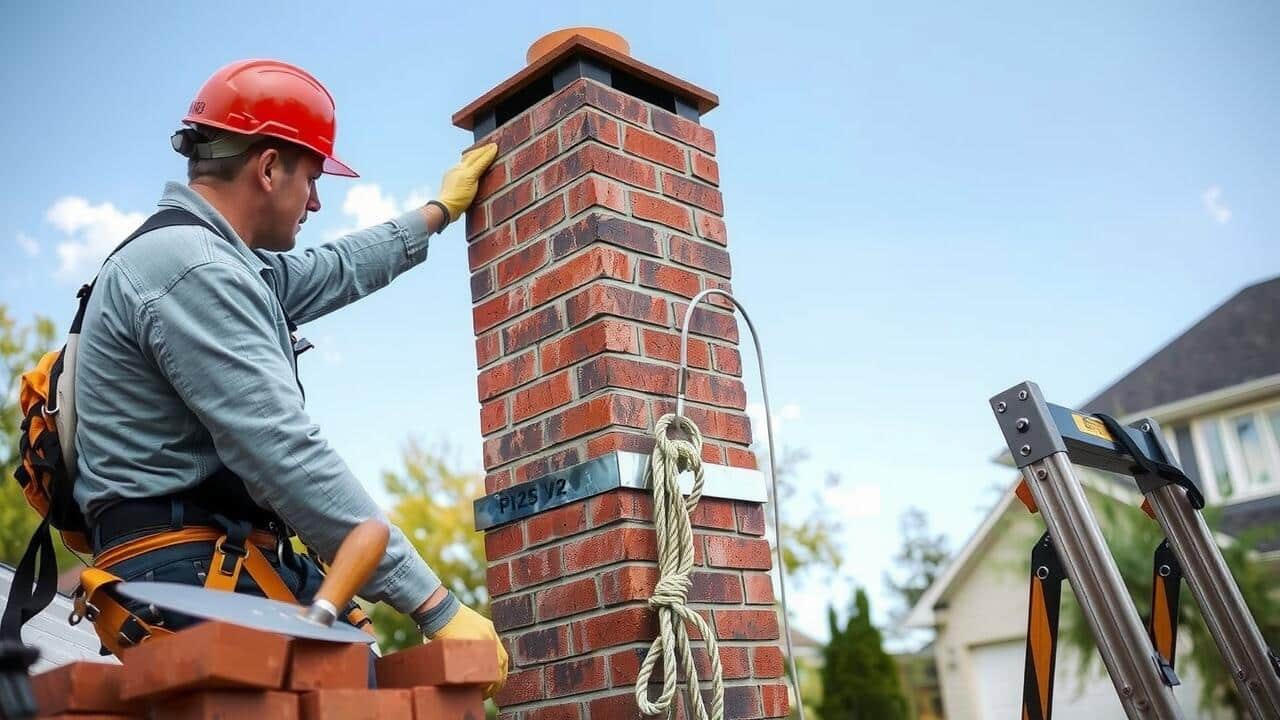
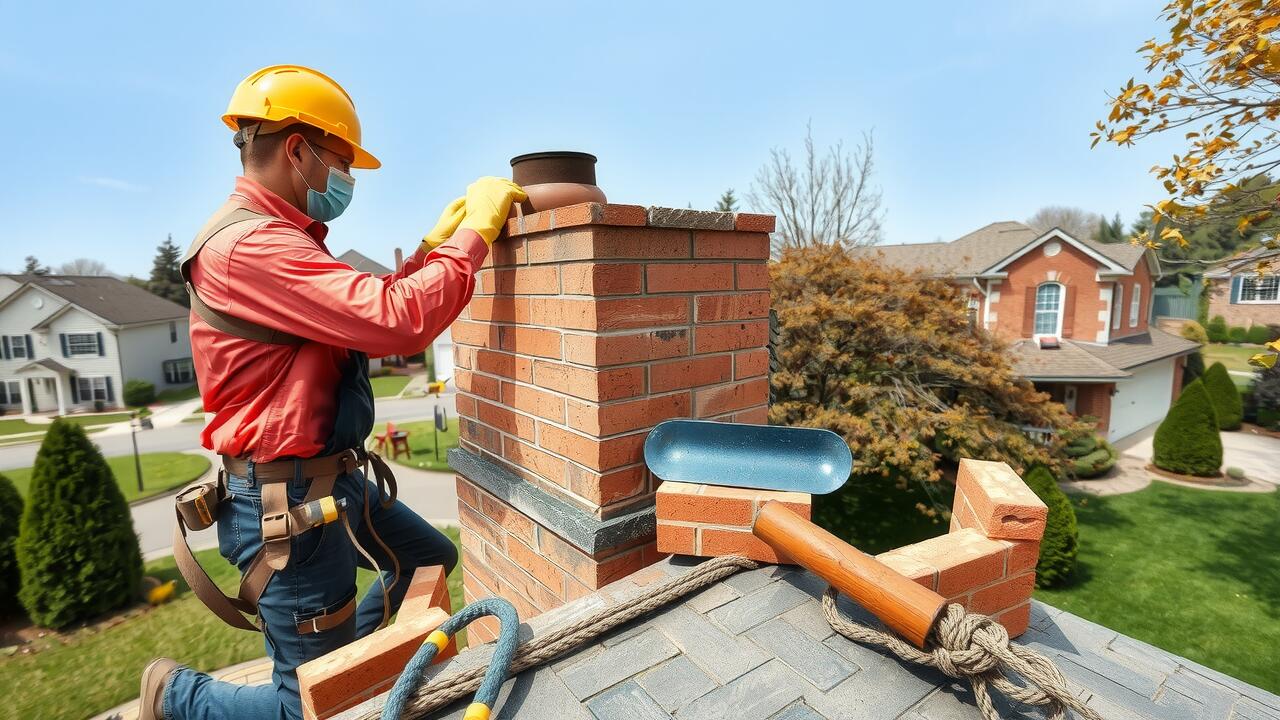
Chimney repair requires a specific set of tools and materials to ensure the work is effective and safe. Essential tools include a chimney brush for cleaning, a trowel for applying mortar, and a masonry saw for cutting bricks or stones as needed. A ladder is crucial for accessing the chimney safely, along with safety gear like gloves and goggles. These basic tools set the foundation for any repair task.
In addition to tools, the right materials are necessary for a successful chimney repair. Common materials include high-temperature mortar, which withstands the intense heat of the flue, and flashing to prevent leaks. For structural repairs, bricks or stones matching the existing chimney may be required. Sealing compounds and weatherproofing materials can also contribute to the longevity of the repair, protecting against the elements.
Essential Equipment
For chimney repair, professionals rely on a variety of tools to ensure safety and effectiveness. Ladders are essential for reaching higher structures, while scaffolding can provide a stable platform for more extensive work. Trowels, brushes, and chisels are commonly used for mixing and applying mortar, ensuring that the repairs are seamless and durable. A camera or inspection device may also be used to assess the chimney’s internal condition before repairs begin.
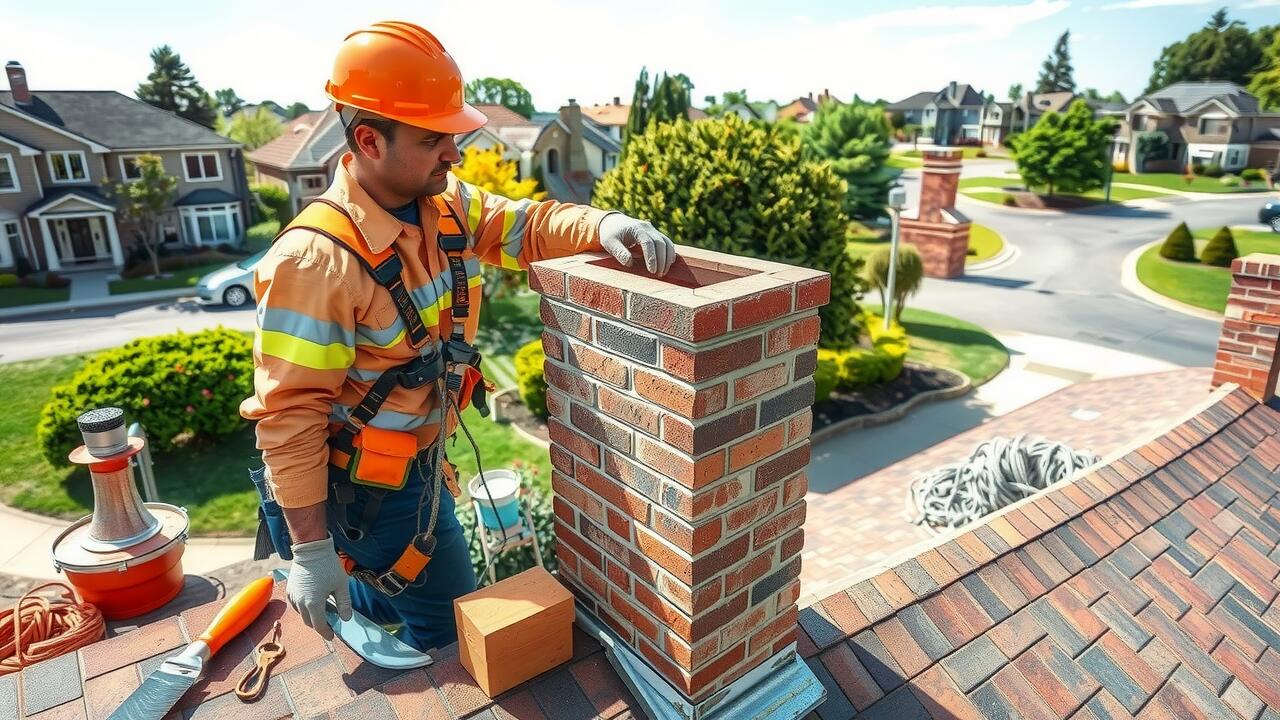
In addition to hand tools, specialized equipment enhances the chimney repair process. A power washer can effectively clean the exterior, removing built-up soot and debris. High-quality sealants and flashing materials are critical for preventing water intrusion, a common issue in chimneys. Safety gear, such as harnesses and helmets, is crucial to protect workers during the repair process, especially when working at heights or with hazardous materials.
FAQS
What is the average cost of chimney repair?
The average cost of chimney repair can vary widely depending on the extent of the damage, but it typically ranges from $150 to $1,000. More extensive repairs can exceed this range.
How often should I have my chimney inspected?
It is recommended to have your chimney inspected at least once a year, especially if you use it frequently. Regular inspections can help identify potential issues before they require major repairs.
What factors can affect the cost of chimney repairs?
Several factors can affect the cost of chimney repairs, including the type of damage, the materials needed for repairs, labor costs in your area, and whether any additional work, such as cleaning, is required.
Can I perform chimney repairs myself to save money?
While some minor maintenance tasks can be done by homeowners, it is generally recommended to hire a professional for repairs to ensure safety and compliance with local codes.
How can I find a qualified chimney repair professional?
Look for professionals with proper credentials, such as certifications from recognized organizations, positive customer reviews, and experience in chimney repairs to ensure you choose a qualified expert.