Table Of Contents
Frequency for Households with Pets
Households with pets should consider changing air filters more frequently than those without animals. Pet dander, hair, and other allergens can significantly affect indoor air quality. For homes that accommodate dogs or cats, it is advisable to replace air filters every one to three months. This regular maintenance helps to ensure the HVAC system runs efficiently and minimizes the buildup of allergens.
The presence of multiple pets can exacerbate the need for frequent air filter replacement. High levels of shedding during seasonal changes further contribute to the accumulation of dander and hair within the home. Monitoring air quality and noticing changes in your pet’s health can serve as indicators for when to schedule air filter replacement. Keeping track of these factors allows for a more comfortable living environment for both pets and their owners.
How Pets Affect Air Quality
Pets can significantly impact the air quality in a home, primarily due to the dander, fur, and allergens they produce. The presence of these particles can lead to increased respiratory issues for some individuals, particularly those with allergies or asthma. Regular grooming of pets can help minimize shedding, but it may not be enough to completely eliminate the problem. As a result, homeowners should consider more frequent air filter replacement as part of their maintenance routine.
Another factor to consider is the type of pet in the household. Dogs and cats shed hair and dander consistently, while smaller pets like rodents can contribute to different types of allergens. Homes with multiple pets often require a more robust filtration system to effectively capture these contaminants. In such cases, changing air filters every one to three months is advisable to maintain better air quality and ensure that the home remains comfortable for all its inhabitants.
Air Filter Lifespan in High-Traffic Homes
In high-traffic homes, air filters tend to accumulate dust, dirt, and debris at a faster rate. The additional foot traffic can stir up particles that find their way into the HVAC system. This increased strain on the air filter often leads to reduced airflow and efficiency, making regular maintenance even more important. Homeowners in these situations should monitor their filters closely and consider more frequent replacements to maintain a healthy indoor environment.
Air filter replacement is crucial for ensuring optimal air quality in busy households. Many experts recommend changing the filter every one to three months, depending on the level of activity and specific circumstances in the home. Factors like the number of occupants, presence of pets, and overall dust levels can all affect how quickly the filter becomes clogged. Regular checks can help determine the right schedule for air filter replacement and ensure that the system operates effectively.
Considerations for Families with Allergies
Families with allergies need to be particularly mindful of air quality within their homes. Allergens such as dust mites, pollen, and pet dander can accumulate quickly, making regular maintenance crucial. Air filter replacement plays a key role in reducing these allergens, helping to improve overall health and comfort. Choosing a high-efficiency particulate air (HEPA) filter can further enhance air purification, trapping even the smallest particles.
It is advisable for families with allergies to check filters more frequently than the standard recommendations. Monthly inspections allow for timely air filter replacement, which can significantly decrease airborne irritants. Additionally, maintaining a clean home environment by reducing clutter and regularly dusting can complement the effectiveness of the air filters. This proactive approach creates a healthier living space conducive to allergy management.
DIY Air Filter Replacement
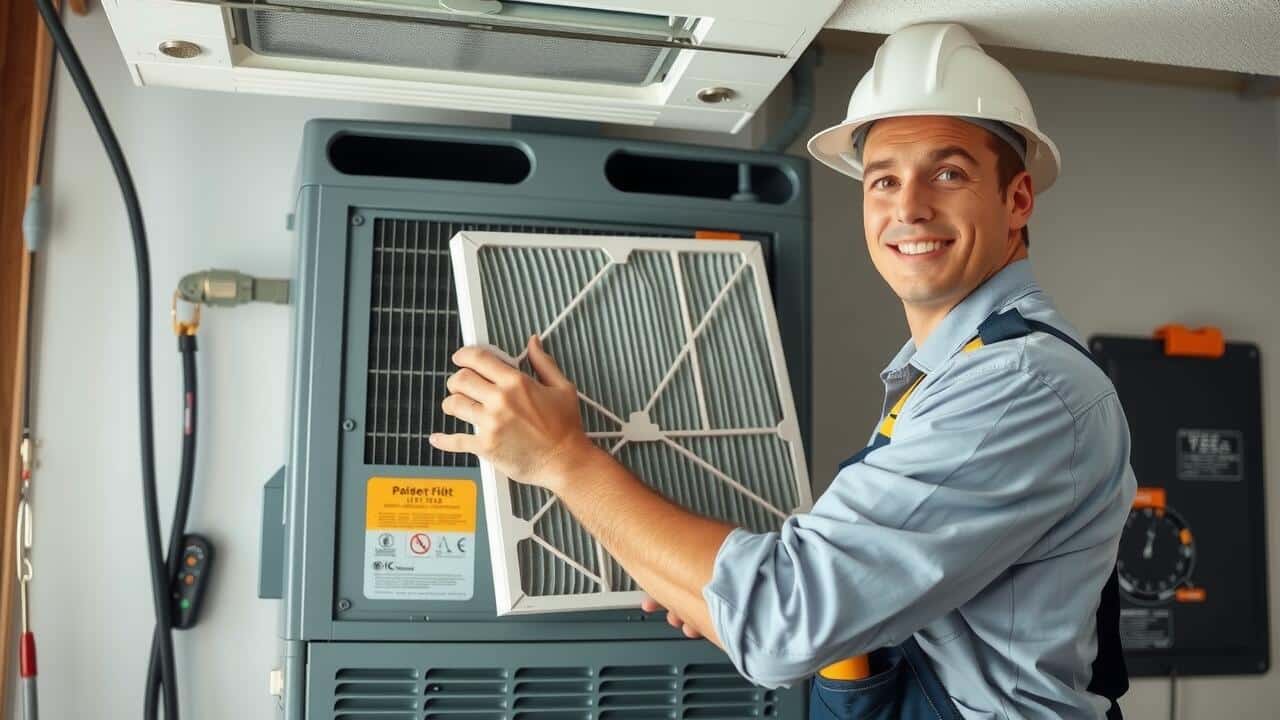
Changing your air filter is a straightforward process that can enhance the efficiency of your HVAC system. Begin by ensuring your system is turned off to prevent any accidents. Locate the air filter compartment, which is typically found near the air handler or return ducts. Carefully remove the old filter, taking care not to let dust and debris escape into the air. Note the size of the filter, which is often printed on the frame, as you will need this information when purchasing a replacement.
When selecting a new filter, consider both the MERV rating and the specific air quality needs of your household. Once you have your new filter, simply slide it into the compartment with the correct airflow direction indicated on the frame. Finally, turn your HVAC system back on and set a reminder to check the filter regularly. Regular Air Filter Replacement is essential for maintaining good air quality and prolonging the lifespan of your HVAC system.
Steps to Change Your Air Filter Safely
Changing your air filter safely involves a few straightforward steps that anyone can follow. Begin by turning off your HVAC system to prevent any air from circulating while you work. This will help avoid unnecessary dust and debris from entering your system. Next, locate the air filter compartment, often found in your furnace or air conditioning unit, and carefully remove the old filter. Make sure to check the direction of airflow indicated on the side of the filter; this will guide you in installing the new one correctly.
Once the old filter is out, it’s time for air filter replacement. Take the new filter out of its packaging and align it according to the airflow indicator. Insert the new filter into the compartment securely to ensure a tight fit. Finally, turn your HVAC system back on and monitor for any unusual noises or issues. Regular checks will ensure your system continues to work efficiently while maintaining indoor air quality.
FAQS
How often should air filters be changed in a home with pets?
In homes with pets, it is recommended to change air filters every 1 to 3 months to manage pet dander and hair effectively.
What factors influence the lifespan of air filters in high-traffic homes?
High-traffic homes may require more frequent air filter changes due to increased dust, dirt, and allergens being stirred up, typically every 1 to 2 months.
How do allergies affect the need to change air filters?
Families with allergies may need to change their air filters more often, ideally every 1 to 2 months, to help reduce allergens in the air.
Can I replace my air filter myself?
Yes, replacing your air filter yourself is a straightforward process that can save you money, provided you follow the correct steps for safety and efficiency.
What are the steps to change an air filter safely?
To change your air filter safely, turn off your HVAC system, locate the filter compartment, remove the old filter, insert the new one following the airflow direction, and then turn the system back on.