Table Of Contents
Steps for Changing an Air Filter
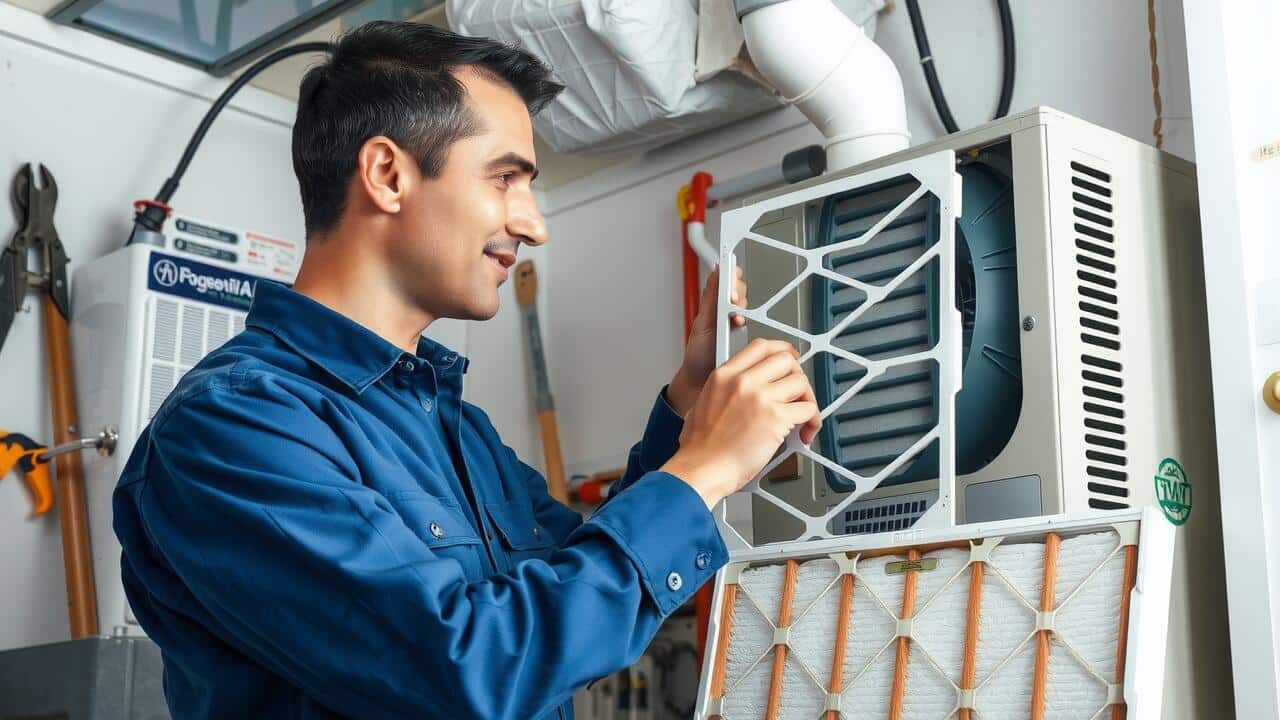
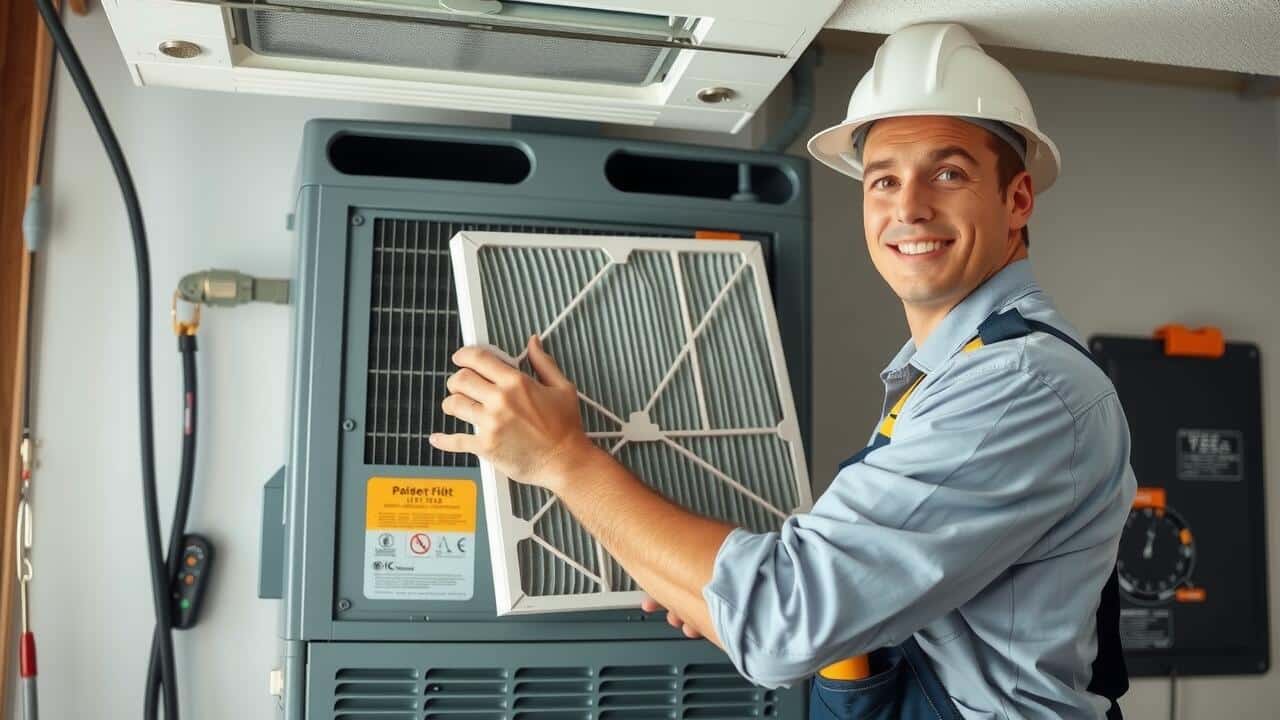
Changing an air filter is a straightforward process that anyone can handle with minimal tools. Begin by turning off your HVAC system to ensure safety during the replacement. Locate the air filter compartment, which is typically found near the blower motor or in the return air duct. Once you have located it, gently slide out the old filter and take note of its size and type. This information will be essential for purchasing the correct replacement.
When selecting a new filter, consider the efficiency rating and material. There are various options available, from disposable fiberglass filters to more advanced HEPA filters that trap smaller particles. After obtaining the right Air Filter Replacement, install it in the same orientation as the old one, ensuring any arrows on the filter guide airflow direction. Once the new filter is securely in place, turn the HVAC system back on and check for proper function. Regularly checking and replacing your air filter can significantly impact indoor air quality and system performance.
A Step-by-Step Guide
Changing your air filter is a straightforward process that can significantly improve your home’s air quality. First, turn off your heating or cooling system to ensure safety while you work. Locate your air filter, typically found in the air handler, furnace, or the return air duct. Carefully remove the old filter, noting the orientation of the airflow arrows on its frame. This detail will ensure proper installation of the new filter.
Next, insert the new filter in the correct orientation, aligning it with the airflow direction indicated. Make sure it fits snugly within the slot to prevent unfiltered air from bypassing the filter. After securing the filter in place, turn your system back on. Regular air filter replacement contributes to better airflow and can enhance energy efficiency in your home, making it a crucial step in maintaining your HVAC system.
Benefits of Regular Air Filter Maintenance
Regular air filter maintenance plays a crucial role in maintaining a healthy home environment. Clean air filters can significantly reduce indoor air pollutants and allergens. This is essential for households with individuals who suffer from allergies or respiratory issues. Without regular air filter replacement, dust, pet dander, and other debris can accumulate, leading to poor air quality.
In addition to improving air quality, changing air filters regularly can enhance the efficiency of HVAC systems. Clogged filters force systems to work harder, which can lead to increased energy consumption and higher utility bills. Keeping up with air filter replacement not only ensures better airflow but also contributes to the longevity of heating and cooling equipment. This proactive approach can save homeowners money in the long run.
Improved Airflow and Energy Efficiency
Regular air filter replacement is crucial for maintaining optimal airflow within your home. A clogged or dirty filter restricts the movement of air through the HVAC system. This can lead to increased strain on the system and higher energy consumption. When air can flow freely, the temperature remains consistent, enhancing comfort levels throughout the space.
Improving energy efficiency is another significant benefit of timely air filter maintenance. A clean air filter allows the heating and cooling systems to operate more efficiently. This not only reduces energy bills but also extends the lifespan of the equipment. By prioritizing air filter replacement, homeowners can ensure their systems run smoothly and effectively.
Monitoring Air Quality in Your Home
Monitoring the air quality in your home is essential for creating a safe and healthy living environment. One effective way to keep track of indoor air quality is by using air quality monitors. These devices can detect various pollutants and particles, allowing homeowners to take appropriate measures when necessary. Regular checks can be particularly beneficial during allergy season or in areas with high pollution levels.
In conjunction with monitoring, maintaining your air filter plays a crucial role in air quality. Air Filter Replacement should be part of your routine maintenance schedule to ensure optimal performance. A dirty or clogged filter can decrease indoor air quality, leading to respiratory issues and allergies. Keeping an eye on filter condition alongside air quality readings will help homeowners ensure the air they breathe remains clean and healthy.
Using Air Quality Monitors
Air quality monitors are essential tools for assessing the level of pollutants and particles in your home. These devices can provide real-time data on indoor air quality, helping you understand when your environment may be compromised. When using an air quality monitor, keep an eye on the particulate matter readings. Elevated levels can indicate a need for actions like ventilation or, more critically, air filter replacement.
Many modern air quality monitors are equipped with alerts that notify you when air quality drops below a certain threshold. This feature makes it easier to determine when it is time to check and potentially replace your air filter. Consistently monitoring air quality not only enhances your comfort but also supports your health by ensuring you breathe cleaner air. Regular awareness of your indoor environment can prompt timely air filter replacement, which is crucial for maintaining efficiency and air purity.
FAQS
How often should I check my air filter?
It’s advisable to check your air filter every month, especially during peak usage seasons like winter and summer. Depending on its condition, you can decide whether it needs changing at that time.
What are the signs that my air filter needs to be changed?
Common signs include reduced airflow, increased energy bills, visible dirt and dust buildup on the filter, or unusual odors coming from the HVAC system.
Can a dirty air filter affect my health?
Yes, a dirty air filter can lead to poor indoor air quality, which may exacerbate allergies, asthma, and other respiratory issues. Regularly changing your filter can help maintain a healthier home environment.
How do I know what type of air filter to use?
Check your HVAC system’s manual or the existing filter for size and type specifications. Common types include HEPA, fiberglass, and pleated filters, each with different efficiency levels.
What happens if I don’t change my air filter regularly?
Neglecting to change your air filter can lead to clogged filters, reduced airflow, increased energy consumption, and can even damage your HVAC system over time.