Table Of Contents
Inspecting the Blower and Ductwork
Regular inspection of the blower and ductwork is essential for ensuring your furnace operates efficiently. Dust and debris can accumulate over time, leading to a reduction in airflow. This can cause your furnace to work harder than necessary, ultimately increasing energy costs. A thorough inspection allows you to identify blockages or areas that need attention, making it a vital step before proceeding with any furnace cleaning.
When checking the ductwork, pay attention to visible dirt and grime. Sealing any leaks can improve system efficiency and indoor air quality. Inspect the blower for signs of wear or debris as well. A clean blower contributes to better airflow and reduces the risk of overheating. Regular maintenance in these areas can prolong your furnace’s lifespan, making periodic furnace cleaning a worthwhile investment in your home’s heating system.
How to Clean and Maintain the Blower
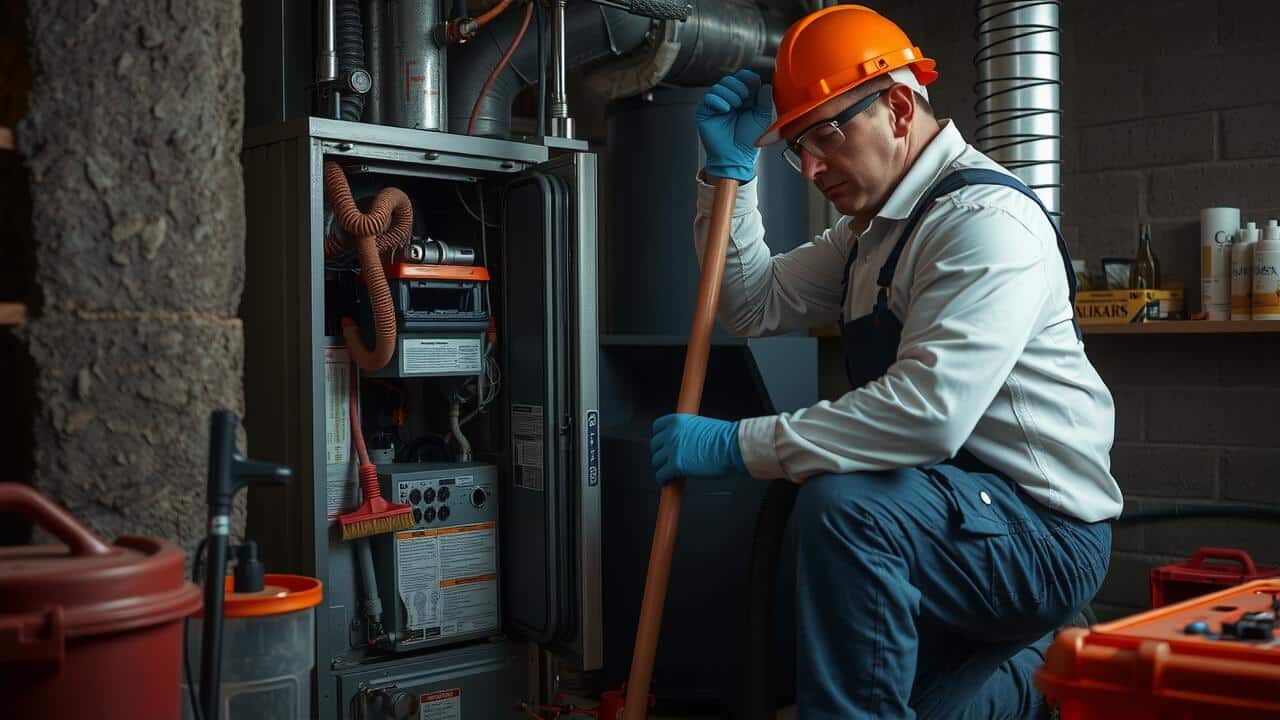
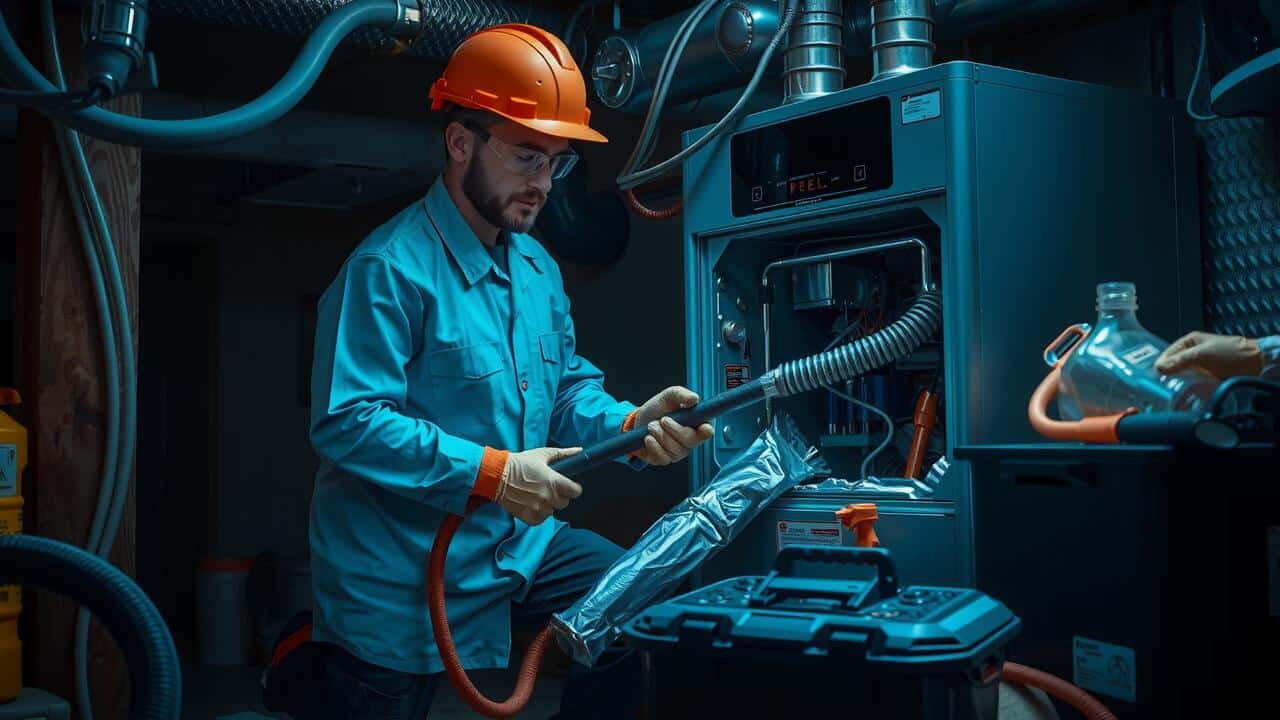
Cleaning and maintaining the blower is essential for ensuring your furnace operates efficiently. Start by turning off the power to the furnace to prevent any accidents. Remove the access panel to reach the blower. Use a vacuum with a brush attachment to remove dust and debris from the blower fan and surrounding area. Clean the blower wheel carefully to avoid damaging any components. Regular furnace cleaning not only enhances performance but also prolongs the lifespan of the equipment.
Lubrication of the blower motor is another crucial maintenance step. Check the motor for any oil ports and add a few drops of lightweight machine oil if applicable. Inspect the belt connecting the motor to the blower wheel for wear and proper tension. If the belt shows signs of fraying or is too loose or tight, consider replacing it. Keeping the blower clean and well-maintained optimizes airflow and efficiency, contributing to a more effective heating system in your home.
Checking and Cleaning the Burners
Cleaning the burners in your furnace is crucial for maintaining efficient heating and safe operation. Begin by turning off the power to the furnace and ensuring the gas supply is also shut off. Carefully remove the access panel to expose the burner assembly. Inspect the burners for any signs of dirt, rust, or blockage. A buildup of debris can impede the flow of gas and affect the furnace’s performance. Using a soft brush or vacuum attachment, gently clean the burners to remove any accumulated dust or soot.
Once the burners are free of debris, it is essential to check their alignment and condition. Misaligned or damaged burners can lead to uneven heating and carbon monoxide production. Proper furnace cleaning includes checking the flame pattern when the furnace is operational. Flames should burn blue and even. If you notice a yellow or flickering flame, this may indicate a problem that requires professional attention. Regular inspection and cleaning of the burners will not only improve efficiency but also extend the lifespan of your furnace.
Techniques for Safe Burner Cleaning
Cleaning the burners in your furnace is a crucial task that requires attention to safety. Before beginning any furnace cleaning, ensure the power to the unit is completely off. This minimizes the risk of electrical shocks and ensures you can work without any interruptions. Additionally, make sure the gas supply is shut off, preventing any leaks or accidents during the cleaning process. Using protective gear, including gloves and goggles, will help you avoid any potential injuries while handling the components.
When cleaning the burners, a vacuum with a soft brush attachment can effectively remove dust and debris without damaging the surface. Inspect for any signs of wear or corrosion as you clean. If you notice substantial buildup or any irregularities, it may be wise to consult a professional technician to avoid further issues. Regular maintenance through furnace cleaning can enhance the efficiency of your system and prolong its lifespan.
Handling the Heat Exchanger
The heat exchanger is a critical component of your furnace, playing a key role in transferring heat to the air that circulates throughout your home. Inspecting it regularly should be part of your furnace cleaning routine. Look for any signs of damage or wear, such as rust, cracks, or buildup of soot. These issues can affect the furnace’s efficiency and, in severe cases, pose safety hazards.
When handling the heat exchanger, take care to disconnect power to the furnace and allow it to cool completely. Use a flashlight and a mirror to get a good view of the exchanger’s surface. Cleaning may involve using a vacuum to remove dust and debris, while harsher cleaning solutions should be avoided to prevent damaging the material. Proper maintenance helps ensure that your furnace operates safely and efficiently during cold months.
Signs of a Failing Heat Exchanger
A failing heat exchanger can pose serious risks, including carbon monoxide leaks. Homeowners should be vigilant for signs such as rust, cracks, or signs of corrosion. A noticeable increase in the furnace’s operation time can also indicate reduced efficiency. Regular furnace cleaning can help mitigate some issues, but it is crucial to recognize when problems arise that require professional intervention.
Unusual smells or a change in the color of the flame can signal potential heat exchanger failure. A yellow or flickering flame suggests improper combustion, which may be linked to a compromise in the heat exchanger. Routine inspections and prompt action during furnace cleaning can help catch these indicators early. It is essential to prioritize safety and efficiency in heating systems, as neglecting these signs can lead to greater hazards.
FAQS
Is it safe to clean my furnace myself?
Yes, it can be safe to clean your furnace yourself, provided you follow proper safety precautions and guidelines. Always turn off the power and gas supply before starting work.
What tools do I need to clean my furnace?
Basic tools include a vacuum cleaner, a soft brush, a screwdriver, and possibly a torch for inspecting the burners. Always refer to your furnace manual for specific tools recommended for your model.
How often should I clean my furnace?
It’s recommended to clean your furnace at least once a year, ideally before the heating season begins. Regular maintenance helps ensure efficiency and prolongs the life of the unit.
Are there any parts of the furnace I should not attempt to clean myself?
Yes, some parts, like the heat exchanger and certain electrical components, should be inspected by a professional. If you notice any significant issues, it’s best to consult an HVAC technician.
What signs indicate that my furnace needs cleaning?
Signs include reduced airflow, unusual noises, increased energy bills, and the presence of dust or debris around the furnace. Regular inspections can help catch potential issues early.