Table Of Contents
When to Call a Professional
Homeowners should consider calling a professional for furnace cleaning if they notice a significant drop in heating efficiency. An unusual increase in energy bills often signifies underlying issues that may require expert attention. Additionally, if you detect strange noises or unusual odors coming from the furnace, these can be indicators of potential problems that a qualified technician can diagnose and address effectively.
Another critical time to seek professional help is if your furnace has not been serviced in over a year. Regular maintenance is essential for optimal performance, and a professional can perform a comprehensive inspection and cleaning to ensure everything functions correctly. Skipping this can lead to more significant issues down the line, potentially causing safety hazards or costly repairs.
Signs It’s Time for Expert Help
Unusual noises coming from your furnace can indicate that it requires professional attention. Rattling, banging, or hissing sounds often signify underlying mechanical issues. Ignoring these signs can lead to more severe problems and potentially costly repairs down the line. Regular Furnace Cleaning can help prevent such issues, but when strange sounds arise, it’s wise to consult an expert.
Another sign that it’s time to call in professionals is if your heating bills experience an unexplained increase. A spike in energy costs may suggest that your furnace is working harder than necessary, often due to dirt buildup or inefficient operation. Scheduling Furnace Cleaning can enhance efficiency, but if the problem persists despite cleanings, professional assistance is essential to diagnose and rectify any concerns.
Different Types of Furnaces
Furnaces come in various types, each requiring specific maintenance methods. Gas furnaces are popular for their efficiency and heating capacity. They rely on a combustion process that can lead to the accumulation of soot and debris in the system. Regular furnace cleaning is essential for these units to ensure safe operation and optimal performance.
Electric furnaces, on the other hand, utilize electrical resistance to generate heat. They typically require less frequent cleaning compared to gas models, as there is no combustion byproduct. However, dust and debris can still build up on components, affecting efficiency. Regular furnace cleaning, regardless of the type, helps maintain air quality and system longevity.
Cleaning Needs for Gas vs. Electric Furnaces
Gas furnaces generally require more attention during furnace cleaning due to the presence of combustion components and exhaust systems. These units produce carbon monoxide and other gases, making it crucial to ensure that all pathways are clear and functioning correctly. Regular inspection and cleaning of burners, heat exchangers, and flue pipes are vital to maintain efficiency and safety. Most manufacturers recommend cleaning gas furnaces at least once a year, especially before the heating season.
Electric furnaces, on the other hand, may have less complex systems and often do not produce harmful gases. However, they still require frequent maintenance to ensure that heating elements and filters are clean and operational. Dust and debris can accumulate over time, reducing efficiency and increasing energy costs. Furnace cleaning for electric models should focus on air filters and any accessible heating elements, ideally conducted at the start of the heating season or as needed.
Tools Needed for Cleaning a Furnace
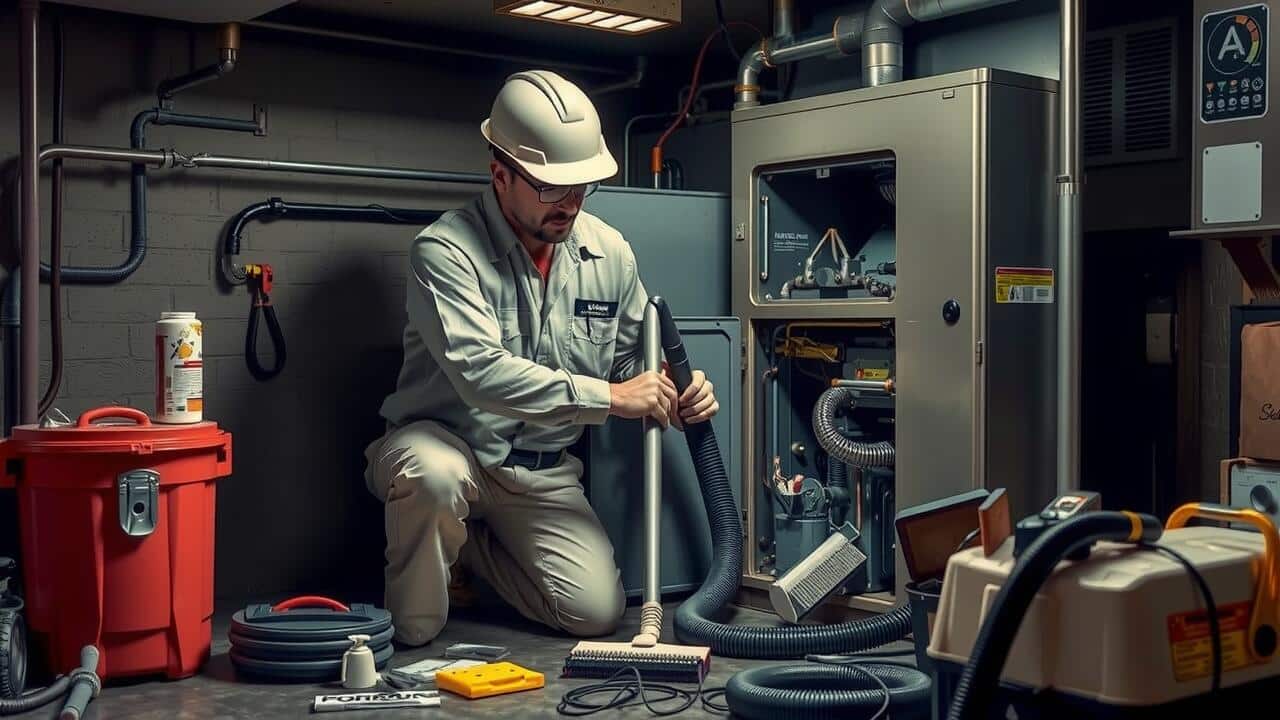
Cleaning a furnace requires specific tools to ensure efficiency and safety. A vacuum cleaner with a long hose attachment is essential for removing dust and debris from hard-to-reach areas. A scrub brush helps to dislodge stubborn grime, while a damp cloth can effectively wipe down surfaces. Additionally, having a soft brush attachment for the vacuum is beneficial for delicate components, preventing damage during the cleaning process.
Furnace cleaning also demands protective gear to ensure the user stays safe from chemicals and dust. Gloves, safety goggles, and a dust mask offer necessary protection against potentially harmful substances. Along with these items, a flashlight can be useful for inspecting dimly lit areas inside the furnace. By equipping yourself with the right tools, furnace cleaning becomes a more manageable and effective task.
Essential Equipment for an Effective Clean
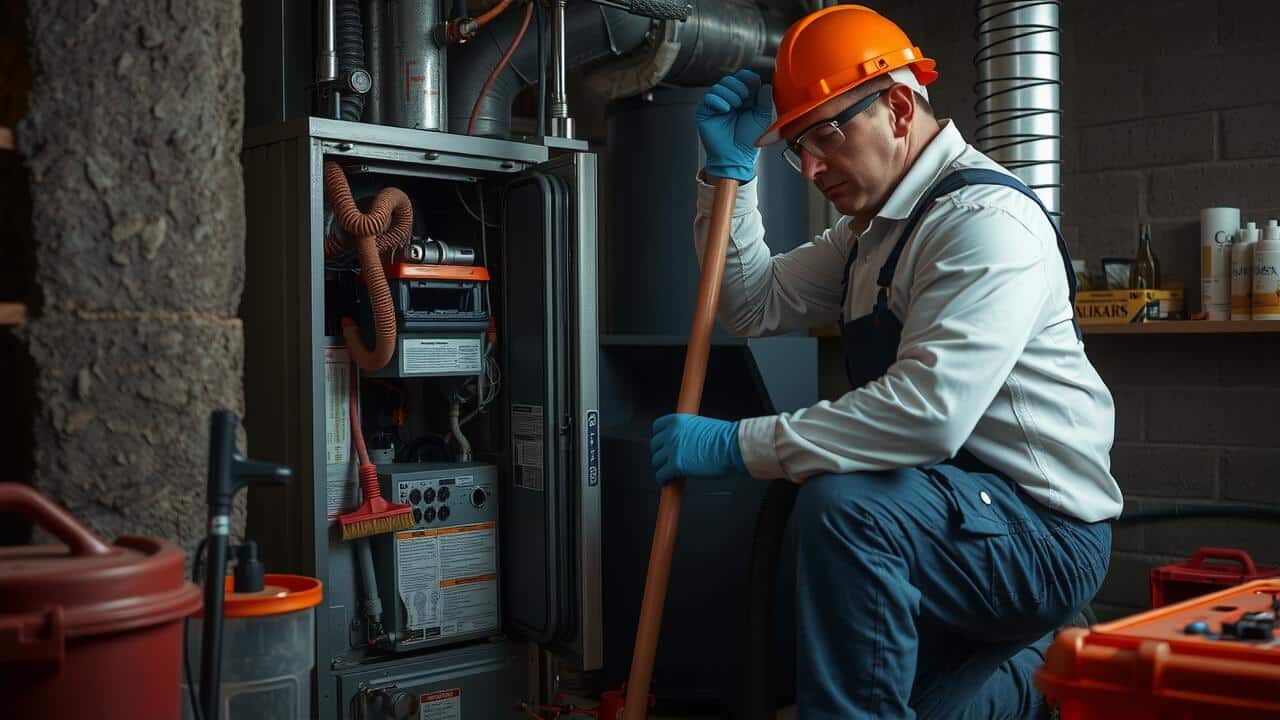
Proper furnace cleaning requires a few essential tools to ensure effectiveness and safety. A vacuum with a brush attachment can help remove dust and debris from the furnace’s interior components. Additionally, a set of screwdrivers is necessary for accessing various panels. A soft brush or cloth will be useful for gently cleaning sensitive parts, ensuring they remain undamaged during the process.
When performing furnace cleaning, personal safety should also be a priority. Wearing safety goggles and gloves protects against dust and sharp edges. A flashlight helps illuminate dark spaces, allowing for a thorough inspection. Having a multimeter on hand can assist in checking electrical components for proper functioning, ensuring everything is operating efficiently following the cleaning.
FAQS
How often should I have my furnace cleaned?
It is generally recommended to have your furnace cleaned at least once a year, ideally before the heating season begins.
What are the signs that my furnace needs cleaning?
Common signs include unusual noises, reduced airflow, dust accumulation around vents, and an increase in energy bills.
Can I clean my furnace myself?
While you can perform some basic maintenance, such as changing filters, it’s best to hire a professional for a thorough cleaning.
What type of furnace requires more frequent cleaning?
Gas furnaces may require more frequent cleaning compared to electric furnaces due to the accumulation of soot and debris.
What tools do I need for cleaning my furnace?
Essential tools include a vacuum with a HEPA filter, soft brushes, a screwdriver, and safety goggles.