Table Of Contents
The Role of R-Value in Duct Insulation
R-value measures the thermal resistance of insulation materials. It indicates how well a material can resist heat transfer, which is crucial for maintaining temperature control in air ducts. Higher R-values suggest better insulation performance, helping to minimize heat loss or gain in ductwork. This aspect becomes particularly important in both heating and cooling systems, as it directly affects energy efficiency and comfort levels in homes and buildings.
When selecting insulation for air ducts, considering the appropriate R-value based on regional climate and installation location is essential. For colder climates, a higher R-value will enhance energy savings and prevent condensation issues. In warmer areas, a moderate R-value may be sufficient to maintain comfort while avoiding excessive energy expenses. Understanding the role of R-value can lead to informed decisions regarding effective insulation solutions for air ducts.
Choosing the Right R-Value
Selecting the appropriate R-value for air duct insulation is crucial for ensuring optimal energy efficiency in your home or building. R-value measures insulation’s resistance to heat flow. A higher R-value indicates better insulating properties, which can lead to reduced energy costs and improved comfort. The right R-value varies based on factors like climate, location, and specific application within the HVAC system.
When choosing the R-value for air duct insulation, it is important to consider the environment where the ducts are located. Ducts in unconditioned spaces like attics or crawl spaces may require insulation with a higher R-value to prevent heat loss or gain. Additionally, local building codes may provide guidelines on minimum R-values to meet efficiency standards. Evaluating these factors can help in making an informed decision that balances performance and cost.
Installation Techniques for Duct Insulation
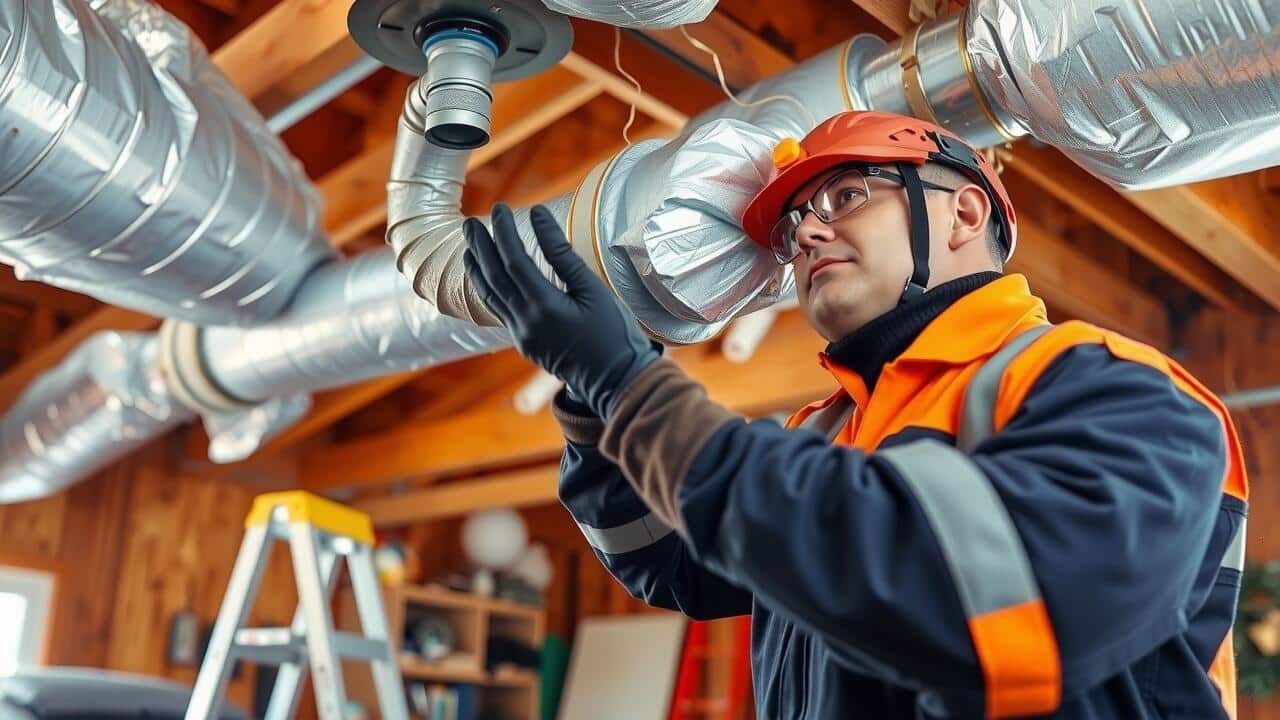
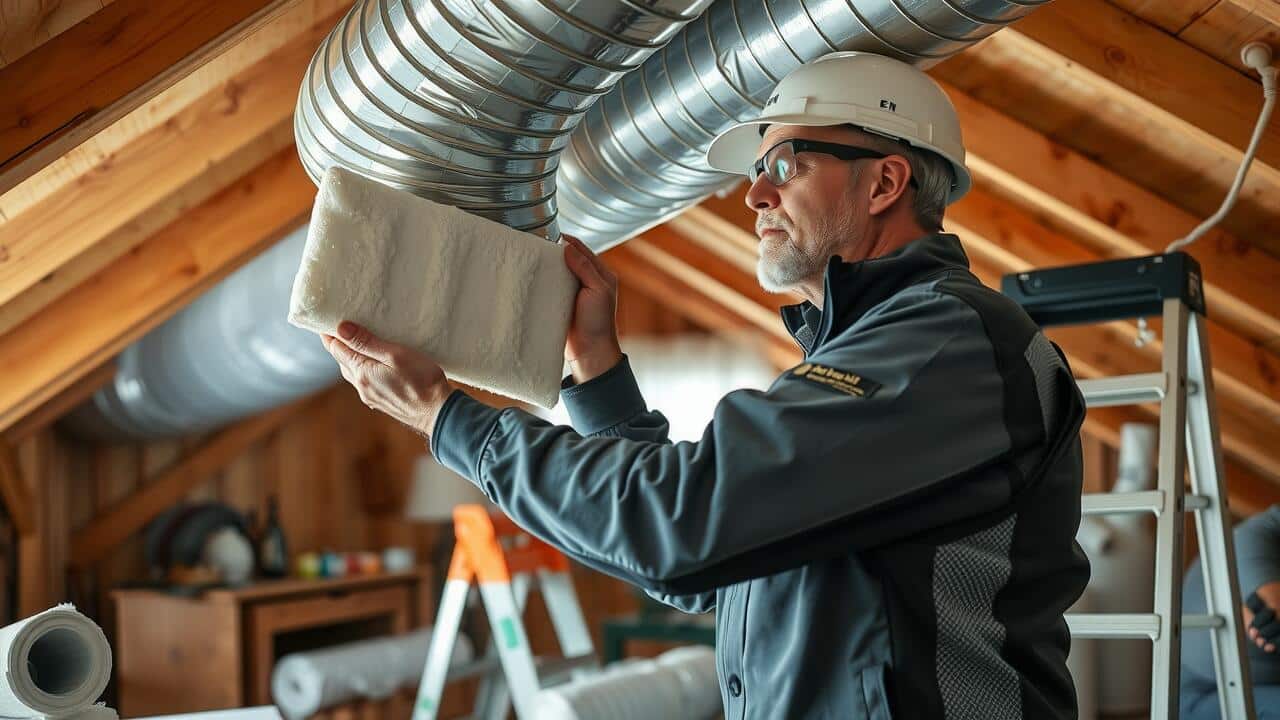
Proper installation techniques are crucial for maximizing the effectiveness of air duct insulation. Begin by ensuring that the duct surfaces are clean and dry before applying any insulation materials. This preparation helps achieve better adhesion for batt or wrap insulation. When using roll or blanket insulation, it is essential to wrap the ducts snugly without compressing the material too much, as this can reduce the insulation’s R-value. Overlapping seams and using the appropriate tape or adhesive helps to seal the insulation, preventing air leaks.
When installing insulation in hard-to-reach areas, consider using rigid foam board insulation, which can be cut to fit and provides high thermal resistance. Take care to fit the insulation tightly around corners and joints. It is also advisable to inspect existing ductwork for any gaps before proceeding with insulation. Addressing these issues upfront will significantly enhance the overall efficiency of the air duct insulation system. Always follow local building codes and manufacturer’s guidelines to ensure compliance and optimal performance.
Best Practices for Effective Installation
Proper installation of air duct insulation significantly enhances its efficiency and effectiveness. First, ensure all ducts are clean and free of debris before applying any insulation material. This initial step promotes better adhesion and prevents potential issues later on. Use the right insulation type that meets the specific requirements of your ductwork, considering aspects like temperature variations and moisture levels. The material should fit snugly around the ducts to maintain optimal thermal performance.
Additionally, pay close attention to the joints and seams during installation. Sealing these points with appropriate tape or mastic prevents heat loss and protects against moisture infiltration. It is also crucial to avoid compressing the insulation, as this can reduce its R-value and diminish efficiency. Regularly inspect the installed insulation for any signs of damage or wear over time to maintain its integrity. Following these best practices will contribute to a more energy-efficient system with reduced heating and cooling costs.
Common Mistakes to Avoid
When it comes to air duct insulation, a common mistake is neglecting to seal seams and joints properly. Any gaps allow conditioned air to escape, reducing the overall efficiency of your heating and cooling system. Insulation alone cannot compensate for poorly sealed ducts, and this oversight can lead to increased energy bills and uneven temperatures throughout the home. Ensuring that every connection is airtight is essential for maximizing the benefits of insulation.
Another frequent oversight involves using the wrong type of insulation material. Some homeowners may choose materials that are not suitable for their specific climate or duct system. For example, fiberglass may not perform well in humid conditions, while other materials might not provide sufficient fire resistance. Selecting the appropriate air duct insulation based on both regional climate factors and the type of ductwork is crucial for long-term performance and effectiveness.
Pitfalls in Duct Insulation
Poor installation can significantly undermine the effectiveness of air duct insulation. One common mistake is failing to adequately seal seams and joints. Unsealed areas can lead to air leaks, which diminish the insulation’s overall efficiency. Such leaks not only affect energy consumption but also allow contaminants to enter the ductwork, diminishing indoor air quality.
Another issue arises from using the wrong type of insulation material. Insulation intended for walls or attics may not perform well in ductwork applications. Materials that are not suited for the specific conditions of air ducts, including moisture or temperature fluctuations, can deteriorate quickly. This compromise can lead to increased energy costs and the potential for more extensive damage over time, making it crucial to choose appropriate insulation tailored for air ducts.
FAQS
What type of insulation is best for ductwork?
The best type of insulation for ductwork typically includes fiberglass, foam board, or reflective insulation, depending on the specific application and environment.
How do I determine the right R-value for my duct insulation?
The right R-value for duct insulation depends on your climate, the location of the ducts, and whether they are located in conditioned or unconditioned spaces. Generally, higher R-values are recommended for colder climates.
What are the best practices for installing duct insulation?
Best practices for installing duct insulation include ensuring a tight fit, sealing seams with appropriate tape, using insulation that meets local building codes, and avoiding compression of the insulation material during installation.
What common mistakes should I avoid when insulating my ductwork?
Common mistakes include using the wrong type of insulation, not sealing ducts properly, compressing insulation materials, and neglecting to insulate ducts located in unconditioned spaces.
Can I insulate my ductwork myself, or should I hire a professional?
While some homeowners may be able to insulate ductwork themselves, it can be beneficial to hire a professional to ensure proper installation and compliance with building codes, especially in complex systems.