Table Of Contents
Comparison of Chemical Methods
Chemical methods for air duct sanitizing vary widely in effectiveness and safety. Some common choices include quaternary ammonium compounds, hydrogen peroxide, and chlorine dioxide. Quaternary ammonium compounds, often known as “quats,” are well-regarded for their antimicrobial properties and residual effects but may require multiple applications for maximum efficacy. Hydrogen peroxide, while a powerful disinfectant, can be harsh on certain duct materials, necessitating careful application. Chlorine dioxide offers a non-toxic alternative, effectively eliminating bacteria and mold but may require specialized equipment for proper deployment.
The choice of chemical also depends on the specific needs of the air ducts. For instance, while some chemicals are effective in killing pathogens, they may leave behind residues that affect indoor air quality. Additionally, safety concerns arise with certain chemicals, prompting regulations that dictate their usage in residential settings. Understanding these factors is essential for effective air duct sanitizing, as the selected method must balance efficacy, safety, and compliance with industry standards.
Pros and Cons of Various Chemicals
Air Duct Sanitizing uses a variety of chemicals, each with distinct advantages. One commonly used agent is hydrogen peroxide, valued for its ability to eliminate mold and bacteria effectively. It breaks down into water and oxygen, leaving no harmful residues. Another option is quaternary ammonium compounds, known for their efficacy against a wide spectrum of pathogens. These chemicals provide longer-lasting protection due to their residual effects, contributing to improved indoor air quality over time.
However, there are drawbacks to consider when selecting chemicals for air duct sanitizing. Hydrogen peroxide can be harsh in concentrated forms and may cause irritation if not applied correctly. Quaternary ammonium compounds can potentially trigger allergic reactions in sensitive individuals. Additionally, some chemicals may react negatively with existing duct materials, potentially causing damage or reducing the efficiency of the system. Evaluating both the benefits and risks is essential for effective air duct sanitizing.
Regulatory Standards for Air Duct Sanitation
Regulatory standards for air duct sanitizing vary by region. Agencies like the Environmental Protection Agency (EPA) and state-level departments have guidelines that detail acceptable methods and chemicals for effectively sanitizing air ducts. Compliance with these regulations helps ensure the safety of both indoor air quality and the environment. Companies offering air duct sanitizing services must stay informed about these standards to avoid penalties and ensure client health.
In addition to federal guidelines, many states and local municipalities implement additional regulations specific to air duct sanitizing. These may address the types of chemicals allowed, concentrations that can be used, and safety protocols for workers. Understanding these rules is essential for service providers aiming to maintain their credibility while delivering high-quality air duct sanitizing. Adhering to established standards also reflects a commitment to public health and safety, crucial for building trust with clients.
Guidelines for Chemical Usage
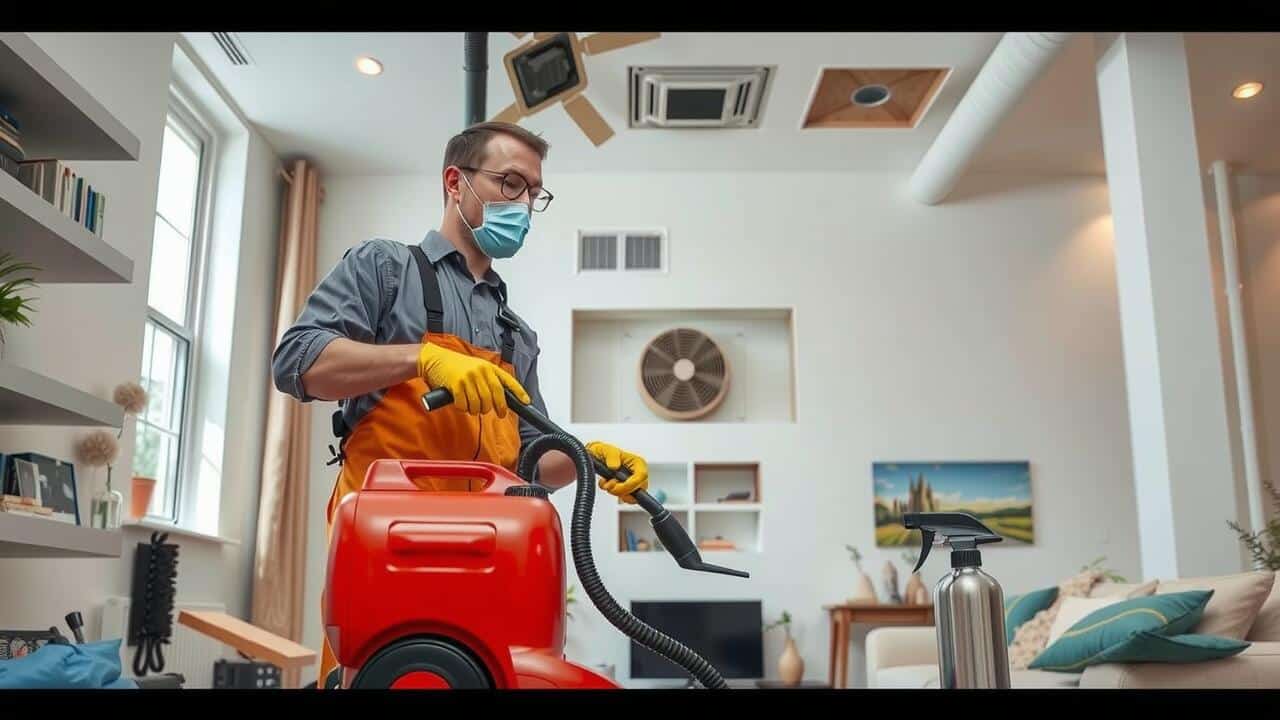
When using chemicals for air duct sanitizing, it is essential to follow the manufacturer’s instructions carefully. Proper dilution, application methods, and safety precautions should be observed to ensure effective cleaning and minimize risks. Maintaining adequate ventilation during the process helps dissipate fumes, which is crucial for protecting both the worker’s health and the integrity of surrounding areas. Always wear appropriate personal protective equipment (PPE) such as gloves, masks, and goggles while handling chemicals.
Additionally, understanding the specific type of chemical used is vital for achieving optimal results. Some chemicals may interact negatively with other substances, leading to harmful reactions or ineffective sanitizing. Prior knowledge of the surfaces being treated prevents damage and ensures safety. Always verify that the selected products are compliant with regulatory standards and suitable for the materials in your air ducts to ensure a thorough and safe air duct sanitizing process.
When to Consider Professional Services
Homeowners may find themselves uncertain about whether to tackle air duct cleaning and sanitizing on their own or to bring in professionals. While some minor maintenance tasks can be managed independently, air duct sanitizing often requires specialized knowledge and equipment. If there are visible signs of mold growth or excessive dust accumulation, it might be prudent to consult a professional service. They have the expertise to identify problems that may not be apparent to the untrained eye and ensure that the sanitization process is thorough and effective.
Furthermore, certain factors can indicate a greater need for professional intervention. If your home has recently undergone renovations, there’s an increased likelihood of debris in the ductwork. Allergies or respiratory issues among occupants may escalate, prompting the need for air duct sanitizing to maintain indoor air quality. Regular inspections by qualified technicians can help assess the condition of the ducts and inform homeowners when professional services are necessary.
Signs Your Air Ducts Need Attention
Homeowners should be vigilant about the condition of their air ducts. Visible dust or debris around air vents can indicate a buildup that may lead to air quality issues. Unpleasant odors emanating from the vents can signal mold or mildew growth, making it essential to assess the situation promptly. Regular visual inspections can help catch these problems early and determine if air duct sanitizing is needed.
Changes in airflow can also suggest that air ducts require attention. If certain rooms are noticeably warmer or cooler than others, it might indicate blockages or leaks within the ductwork. Additionally, unusual increases in energy bills may suggest that the HVAC system is working harder due to dirty or compromised ducts. In these cases, consulting a professional about air duct sanitizing may provide an effective solution to restore indoor air quality and system efficiency.
FAQS
What chemicals are commonly used to sanitize air ducts?
Common chemicals used for air duct sanitation include hydrogen peroxide, quaternary ammonium compounds (quats), and sodium hypochlorite. Each chemical has its own effectiveness and application methods.
Are the chemicals used for air duct sanitation safe for my home?
Yes, most chemicals used for air duct sanitation are safe when applied according to manufacturer guidelines. However, it’s essential to ensure proper ventilation and follow safety precautions during usage.
How often should I sanitize my air ducts?
It is generally recommended to sanitize air ducts every 3 to 5 years, but this can vary based on factors like location, household size, and the presence of pets or allergens.
Can I sanitize my air ducts myself, or should I hire a professional?
While some homeowners may choose to sanitize their air ducts themselves, hiring a professional is often recommended for thorough cleaning and to ensure compliance with safety and regulatory standards.
What are the signs that my air ducts need attention?
Signs that your air ducts may need attention include visible dust buildup, musty odors, increased allergy symptoms, or inconsistent airflow from your vents.
