Table Of Contents
Limited Long-Term Benefits
Air duct cleaning may provide immediate improvements in indoor air quality, but its long-term effectiveness is often questioned. Many experts agree that while this service can remove dust and allergens, the benefits may diminish over time. Frequent disruptions caused by home activities, such as cooking or everyday movement, can quickly lead to a buildup of particles again, suggesting that the impact of air duct cleaning is not as lasting as customers might hope.
Homeowners might find themselves facing repeated cleanings and associated costs without seeing substantial cumulative benefits. The process does not significantly alter the overall air quality if other factors, such as inadequate filtration or external pollution sources, persist. Thus, it’s essential to consider these limitations before investing in air duct cleaning, as the money spent may yield short-lived results rather than a meaningful long-term solution for improved air health.
Frequency of Recommended Cleanings
The frequency of recommended cleanings for air ducts is often a subject of debate among homeowners and professionals. While some suggest that ducts should be cleaned every few years, others argue that the need for cleaning depends on various factors such as the presence of pets, tobacco use, or local environmental conditions. Many recommendations lack scientific backing, leading to confusion about how often these services should be performed. This inconsistency makes it difficult for homeowners to determine the appropriate schedule for air duct cleaning.
Additionally, the cost associated with air duct cleaning can play a significant role in how often homeowners choose to engage in this service. Some may opt for cleaning based on perceived necessity rather than a fixed timeline, while others might be influenced by marketing strategies that suggest more frequent cleanings are essential for optimal indoor air quality. This variability complicates the discussion around air duct maintenance and often leaves individuals uncertain about the most effective approach to keep their systems clean and efficient.
Misleading Marketing Claims
Many companies promoting Air Duct Cleaning services can create misleading claims about the effectiveness of their methods. They often suggest that a thorough cleaning can lead to significant improvements in indoor air quality and overall system efficiency. However, these assertions may not always be backed by concrete evidence, leaving consumers uncertain about the true benefits of the service.
The marketing tactics employed can give the impression that regular cleanings are necessary for maintaining a healthy environment. In reality, dust accumulation in ducts varies among households and may not require frequent interventions. This can lead homeowners to invest in services they do not necessarily need, potentially resulting in unnecessary costs without any substantiated improvements in air quality or system performance.
Understanding Industry Standards
Industry standards for Air Duct Cleaning vary across different organizations. The National Air Duct Cleaners Association (NADCA) sets guidelines to ensure that cleaning services adhere to specific protocols. These standards outline the methods and equipment recommended for effective cleaning. Adhering to these guidelines ensures that the dirt and debris are adequately removed and minimizes the risk of damage to the ductwork.
Some companies may claim to follow industry standards without fully understanding or implementing them. This inconsistency can lead to varying levels of service quality. Homeowners should seek out certified professionals who can provide evidence of compliance with established standards. Doing so helps to ensure that the cleaning process is effective and that the safety and health of the occupants are prioritized.
Safety Hazards During Process
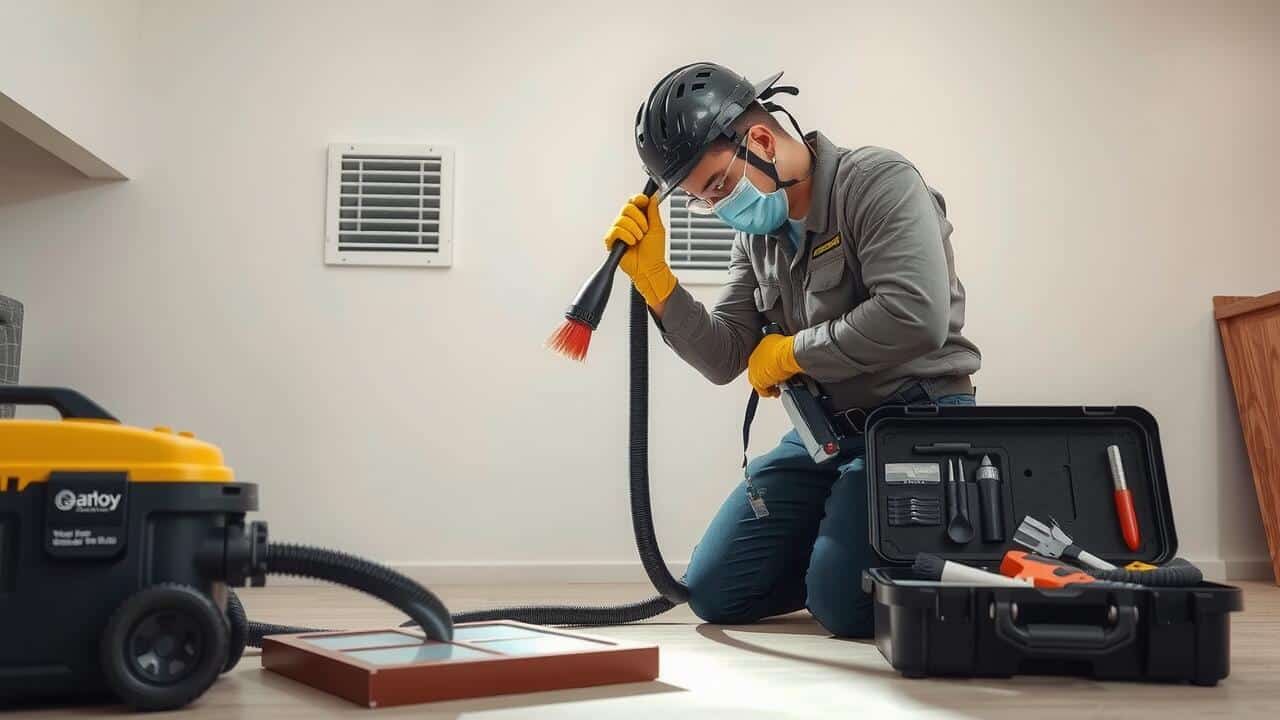
Air Duct Cleaning can pose several safety hazards for both professionals and homeowners. During the cleaning process, debris and dust can become airborne, leading to respiratory issues if inhaled. Additionally, tools used in the cleaning process can be heavy and cumbersome, increasing the likelihood of accidents while maneuvering them in tight spaces. Proper safety measures, including adequate protective gear, are essential to minimize these risks.
Furthermore, the use of certain cleaning chemicals may introduce additional health concerns. If homeowners choose to perform Air Duct Cleaning themselves, they may not be aware of the proper handling and application of these substances. This can lead to exposure or an adverse reaction. Understanding these potential hazards is crucial to ensure a safer and more effective cleaning experience, whether it is conducted by professionals or DIY enthusiasts.
Risks of Dust and Debris Exposure
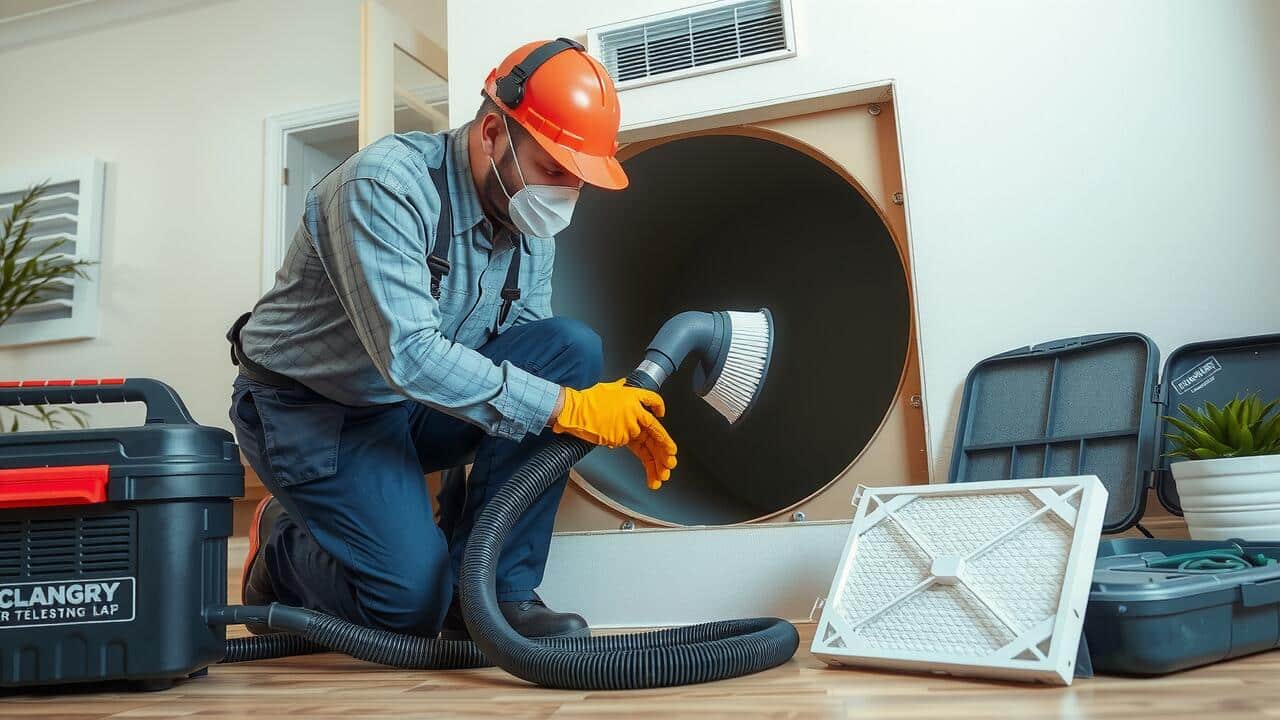
During the process of air duct cleaning, the removal of dust and debris can pose significant risks to those present in the environment. When the ducts are disturbed, particles that have accumulated over time may be released back into the air. This can lead to respiratory issues, especially for individuals with pre-existing conditions like asthma or allergies. Proper precautions need to be taken to minimize exposure to these airborne contaminants.
Additionally, inadequate cleaning techniques can exacerbate dust and debris dispersal, creating a health hazard in the home or workplace. If proper containment methods are not employed, the dirt removed from the ducts could settle on surfaces, leading to a need for further cleaning. Ensuring that air duct cleaning is conducted by qualified professionals is essential to mitigate these risks effectively.
FAQS
What are the main drawbacks of duct cleaning?
The main drawbacks of duct cleaning include limited long-term benefits, misleading marketing claims, safety hazards during the cleaning process, and risks of dust and debris exposure.
How often should duct cleaning be performed?
The frequency of recommended cleanings can vary based on factors such as the environment and usage of the HVAC system, but many experts suggest cleaning every 3 to 5 years. However, regular maintenance may often be sufficient.
Are there any misleading claims in duct cleaning marketing?
Yes, many duct cleaning companies may make exaggerated claims about the health benefits and efficiency improvements from cleaning, which can lead homeowners to believe duct cleaning is more essential than it truly is.
What industry standards should be considered for duct cleaning?
It’s important to refer to guidelines set by organizations like the National Air Duct Cleaners Association (NADCA), which emphasize the necessity of following proper protocols and standards during the cleaning process.
What safety hazards are involved in the duct cleaning process?
Safety hazards during duct cleaning can include exposure to dust and debris, potential electrical hazards, and the risk of damage to the HVAC system if not performed correctly. Proper precautions and professional equipment are essential to minimize these risks.