Table Of Contents
Choosing a Professional for Duct Sealing
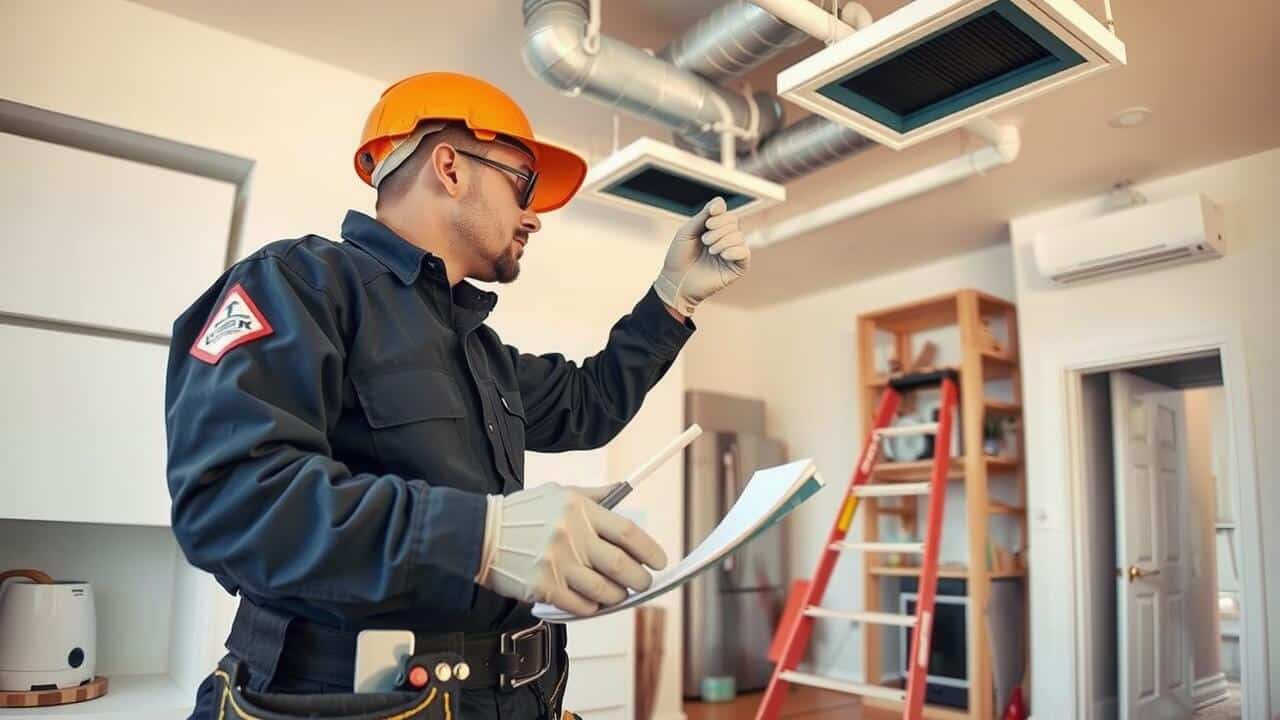
When considering air duct sealing, selecting a qualified professional is crucial for achieving the best results. Look for contractors who have significant experience in this specialized field. Certifications and licenses are important indicators of a contractor’s credibility. A good contractor should also provide testimonials and references from previous clients. Checking reviews and ratings can help ensure you choose someone who has a solid reputation for quality work.
Communication plays an essential role in the process. A reliable contractor will discuss your specific needs, explain the sealing methods, and provide a detailed estimate. It’s beneficial to understand the different materials and techniques available for air duct sealing, as this knowledge will allow you to make informed decisions. Transparency in pricing and timelines is also a crucial aspect of a trustworthy contractor relationship, contributing to a smooth and effective sealing process.
What to Look for in a Contractor
When searching for a contractor to handle air duct sealing, it’s essential to check for proper licensing and insurance. This ensures that the company is legitimate and qualified to perform the work. Look for a contractor with experience specifically in duct sealing, as this expertise can significantly impact the quality of the job. Reading online reviews and obtaining referrals from friends or family can also help gauge the contractor’s reputation.
Make sure to ask about the methods and materials the contractor plans to use for air duct sealing. A reputable professional should provide you with a detailed explanation of the process. Transparency regarding costs and potential additional charges is crucial as well, ensuring there are no surprises once the project begins. A thorough evaluation of the existing ductwork can indicate how serious any issues might be.
DIY vs. Professional Duct Sealing
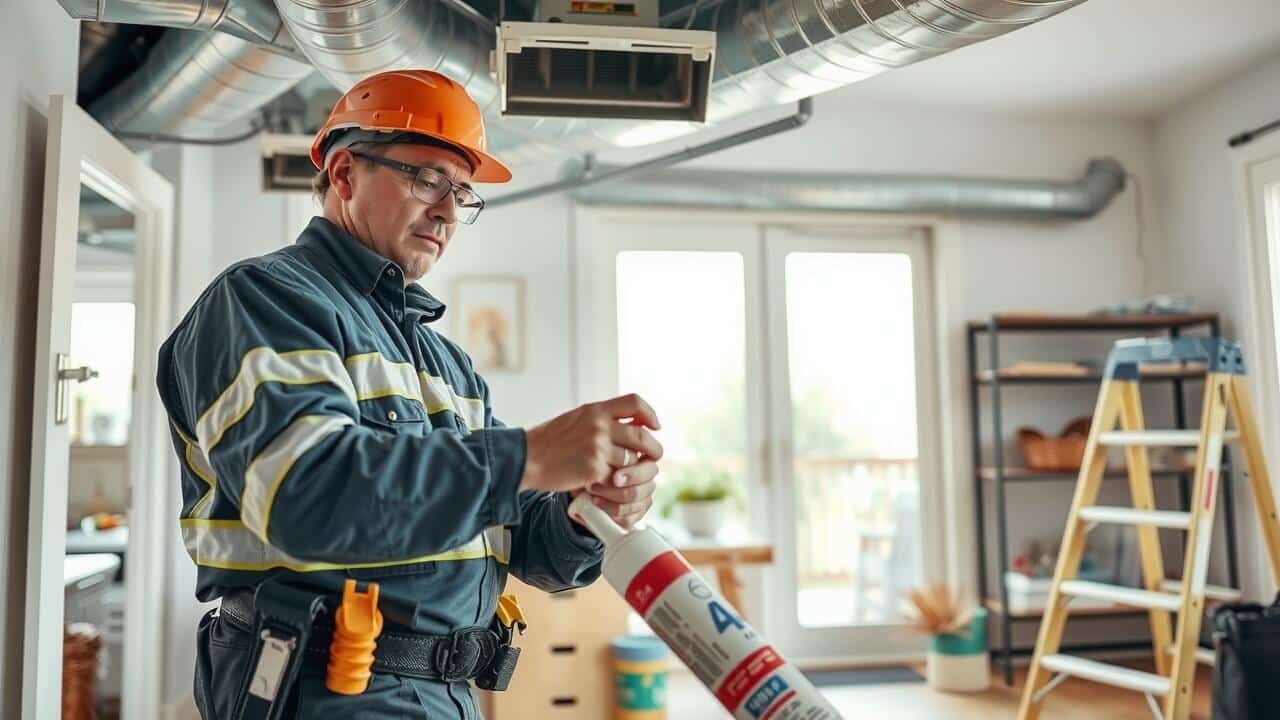
Homeowners often consider DIY air duct sealing as a cost-effective approach. The process typically involves locating leaks, applying sealants or tapes, and ensuring that all connections are secure. Many DIY enthusiasts find satisfaction in taking on such projects themselves, believing it saves money while allowing them to maintain control over the work. However, a successful DIY job requires a good understanding of HVAC systems and proper sealing techniques to ensure the job is done effectively.
On the other hand, hiring a professional for air duct sealing can offer significant advantages. Professionals come equipped with specialized tools and experience, enabling them to identify and seal leaks more efficiently than an average homeowner might. Their expertise often leads to a more thorough job, potentially resulting in improved energy efficiency and indoor air quality. While the initial cost may be higher, many find that the long-term benefits justify the investment in professional services.
Pros and Cons of Each Approach
Choosing between a DIY approach and hiring a professional for air duct sealing involves careful consideration of the advantages and disadvantages of each option. A DIY project can save money, offering a sense of accomplishment for homeowners willing to invest the time and effort. With access to online resources and instructional videos, individuals can attempt sealing their air ducts themselves. However, this approach can lead to incomplete sealing if not done properly, potentially resulting in decreased energy efficiency and lingering air quality issues.
On the other hand, hiring a professional for air duct sealing provides expertise and experience that can ensure a thorough job. Professionals are equipped with specialized tools and knowledge to identify and address leaks effectively. While this option may come with a higher upfront cost, the long-term savings on energy bills and increased comfort in the home can outweigh the initial expense. Nonetheless, some homeowners may feel hesitant due to the expense or may believe their skills are sufficient for a DIY project.
Impact on Indoor Air Quality
Air duct sealing plays a significant role in maintaining optimal indoor air quality. When ducts are leaky, contaminants from unconditioned spaces can enter the airflow, introducing dust, allergens, and other pollutants into living areas. Sealing these ducts reduces the chances of unwanted particles circulating throughout the home, creating a healthier environment for occupants. Properly sealed ductwork helps systems operate more efficiently, resulting in cleaner air and improved overall comfort.
In addition to reducing the influx of pollutants, air duct sealing can also help regulate humidity levels. Unsealed ducts may allow moisture from outside to enter, contributing to mold growth and exacerbating respiratory issues. By preventing excess moisture and ensuring cleaner air delivery, sealed ducts enhance the overall quality of the indoor environment. Homeowners can benefit from both health improvements and energy efficiency, making air duct sealing a valuable investment.
How Sealing Affects Air Quality
Air duct sealing plays a significant role in maintaining optimal indoor air quality. When ducts are properly sealed, contaminants like dust, allergens, and pollutants have a reduced chance of entering living spaces. This improvement contributes to a cleaner environment, where residents can breathe easier. Sealing the ducts also minimizes the chances of mold and mildew growth, which can arise from moisture seeping through leaks.
Moreover, effective air duct sealing can enhance the efficiency of your heating and cooling system. With fewer leaks, less air escapes, allowing for better temperature regulation throughout the home. This not only leads to increased comfort but also helps prevent the circulation of stale or polluted air. Overall, investing in air duct sealing can have lasting benefits on both air quality and energy efficiency.
FAQS
What is duct sealing, and why is it important?
Duct sealing is the process of sealing leaks and gaps in your heating and cooling ducts to improve energy efficiency and indoor air quality. It’s important because it prevents conditioned air from escaping, reducing energy costs and enhancing the effectiveness of your HVAC system.
How can I tell if my air ducts need to be sealed?
Signs that your air ducts may need sealing include uneven temperatures in your home, increased energy bills, excessive dust and debris around vents, and noticeable airflow issues. A professional duct inspection can also help identify any leaks.
Can I seal my air ducts myself, or should I hire a professional?
You can seal your air ducts yourself using duct tape or mastic sealant, but hiring a professional is often recommended for a thorough job. Professionals have the tools and expertise to properly assess and seal ducts, ensuring optimal results.
How does sealing my air ducts improve indoor air quality?
Sealing air ducts can improve indoor air quality by reducing the amount of dust, allergens, and pollutants that enter your home through leaks. This leads to cleaner air and can help alleviate respiratory issues and allergies.
Is duct sealing a one-time job, or will I need to do it again in the future?
Duct sealing can last for many years if done correctly; however, it may need to be reapplied over time due to wear and tear, changes in the HVAC system, or home renovations. Regular inspections can help determine when resealing is necessary.