Table Of Contents
Installation Process for UV Light in HVAC
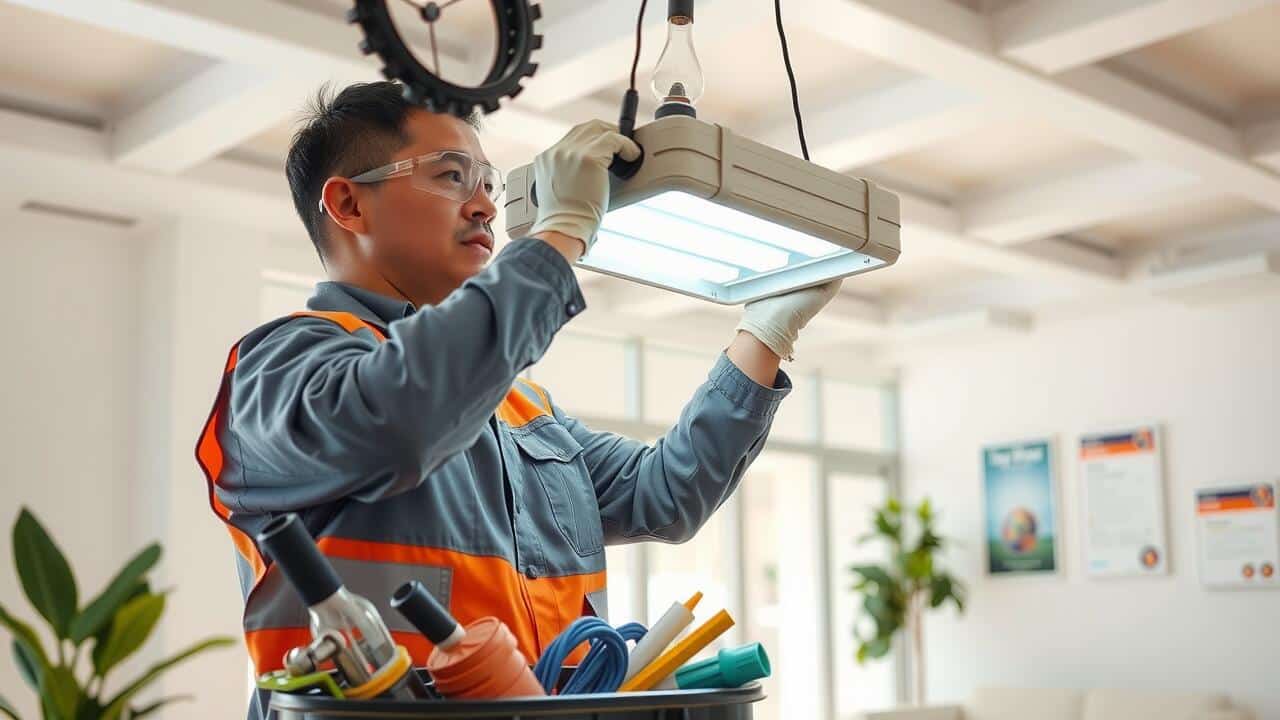
The installation of UV lights in HVAC systems requires careful planning and execution to ensure effective operation. The first step involves selecting the right type of UV light system suitable for the specific HVAC setup. There are various models available, including surface-mounted and duct-mounted options. Once selected, the installation location must be determined, ensuring that the UV lights will adequately target the coils and air stream where mold and bacteria typically thrive.
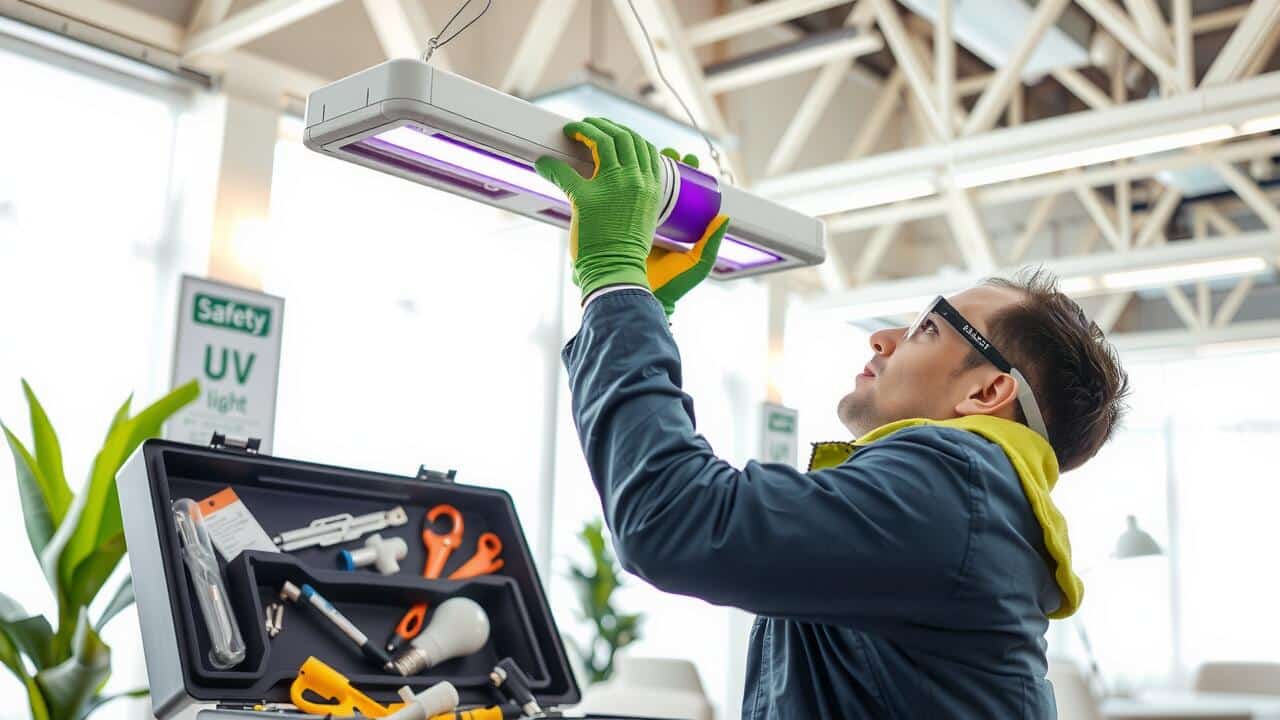
After determining the optimal placement, the next phase involves securing the necessary tools and safety equipment. The installation process may include mounting brackets, electrical connections, and sealing the fixtures to prevent air leaks. It’s essential to follow the manufacturer’s guidelines closely to prevent any operational issues. Proper UV Light Installation enhances the system’s overall efficiency by reducing the buildup of contaminants, leading to improved air quality throughout the indoor environment.
Key Steps to Successfully Implement the System
Installing a UV light in an HVAC system involves several essential steps to ensure proper functionality and effectiveness. Initially, selecting the appropriate UV light requires assessing the size of the HVAC unit and identifying the ideal placement for maximum impact. The most common locations include inside the air handler or in the ductwork. It is crucial to ensure that the UV light is compatible with the system and operates effectively to eliminate airborne pathogens.
Once the UV light installation is set in place, the next step is to connect the wiring safely to avoid electrical hazards. Following manufacturer guidelines is essential throughout this process. Regular maintenance and monitoring of the system will help in identifying any potential issues early on. Proper training for maintenance personnel regarding UV Light Installation is also necessary to maintain safety and performance over time.
Safety Considerations for UV Light in HVAC
When considering UV light installation in HVAC systems, it is essential to prioritize safety. UV light, while effective at killing microorganisms, can pose health risks if humans are exposed directly. Proper shielding and positioning of the UV light units within the HVAC system can prevent accidental exposure. Additionally, ensuring that the installation complies with relevant safety standards and regulations can mitigate potential hazards.
Regular maintenance and monitoring of the UV light system are crucial. Over time, UV bulbs will lose their effectiveness, necessitating timely replacements to maintain optimal performance. Educating users about the UV light system’s operation and safety protocols helps in fostering a secure environment. By being aware of these considerations, homeowners and maintenance personnel can effectively utilize UV light installation without compromising safety.
Protecting Users from UV Exposure
Protection from UV radiation is crucial when considering UV light installation in HVAC systems. UV lamps can emit harmful ultraviolet rays, which pose a risk to human health if a person is exposed directly for extended periods. Proper shielding and placement of UV lights are necessary to minimize exposure. It is essential to follow manufacturer guidelines during the installation to ensure the fixtures are safely positioned away from occupied spaces. Furthermore, routine maintenance checks will help ensure that the UV lights function correctly while being adequately protected from unintentional exposure.
User education plays a vital role in safeguarding against UV exposure. Informing building occupants about the presence of UV lights and their intended purpose can alleviate concerns regarding safety. Transparency about the installation and operation of the system encourages a better understanding of the benefits and risks involved. Signage indicating the areas where UV light installation occurs can also serve as a helpful reminder to maintain distance from the units. Together, these measures contribute to a safer environment while maximizing the efficiency of the HVAC system.
Long-Term Effects of Using UV Light in HVAC
The long-term effects of UV light installation in HVAC systems can be significant for both air quality and equipment maintenance. Regular exposure to UV light helps eliminate mold, bacteria, and other harmful microorganisms. This reduction can lead to cleaner air circulating throughout the space, ultimately benefiting occupants’ health. With fewer contaminants in the air, HVAC systems may require less frequent maintenance and cleaning, which can extend the lifespan of the equipment.
Another advantage of UV light installation is its potential impact on energy efficiency. By keeping the coil surfaces cleaner, the HVAC system can operate more efficiently, which may translate to lower energy consumption. Enhanced efficiency not only reduces operating costs but also contributes to decreased wear and tear on HVAC components. Over time, this can result in fewer repairs and a more reliable system overall, adding value to the initial investment in UV technology.
Impact on Energy Efficiency and Longevity of Equipment
UV light installation in HVAC systems can significantly enhance energy efficiency. The presence of UV light helps to keep coils and other components free from mold and bacteria buildup. This cleanliness allows the system to run more efficiently as it does not have to work as hard to circulate air. Over time, this reduction in strain can lead to lower energy costs, making the installation a financially savvy choice for many homeowners and businesses.
In addition to energy savings, UV light installation can prolong the lifespan of HVAC equipment. By minimizing the accumulation of contaminants on critical components, the system faces less wear and tear. This protection reduces the likelihood of breakdowns and extends the intervals between required maintenance. Consequently, a well-maintained system can operate optimally for a longer period, providing further value to the initial investment in UV technology.
FAQS
What is the purpose of installing UV light in HVAC systems?
The primary purpose of installing UV light in HVAC systems is to reduce the presence of airborne pathogens, allergens, and mold by using ultraviolet light to disinfect the air and surfaces within the system.
How does the installation process for UV light in HVAC systems work?
The installation process typically involves placing UV light fixtures within the HVAC system, particularly in areas where air circulates, such as near the evaporator coil or in the ductwork. It usually requires professional installation to ensure proper positioning and effectiveness.
Are there safety concerns associated with UV light in HVAC systems?
Yes, there are safety considerations, particularly regarding UV exposure to users. It’s essential to install UV lights in a way that minimizes direct exposure to occupants and to follow safety guidelines to protect against harmful effects.
Can UV light improve the energy efficiency of my HVAC system?
Yes, by reducing the buildup of mold and other contaminants on HVAC components, UV light can enhance energy efficiency. Cleaner components work more effectively, which can lead to lower energy consumption and extended equipment life.
Is the installation of UV light in HVAC systems worth the investment?
The worth of installing UV light in HVAC systems can depend on various factors including your specific needs, existing air quality issues, and your budget. Many users find the investment beneficial for improved air quality and system efficiency, while others may not see a significant return.