Table Of Contents
Accessing the Air Handler
Accessing the air handler requires careful preparation to ensure safety and efficiency. Start by turning off the power supply to the unit. This step is essential to prevent any potential electrical hazards during the cleaning process. Once power is off, locate the access panel on the air handler. Typically, these panels are secured with screws or latches. Use the appropriate tools to open the panel carefully, allowing for an unobstructed view of the internal components.
After opening the air handler, it is crucial to perform a thorough inspection before proceeding with Air Handler Cleaning. Look for visible signs of mold, dust buildup, or any other debris. Assess the condition of filters, coils, and drain pans. Taking note of any damage or excessive wear can help in planning the cleaning process more effectively. Proper inspection not only aids in targeted cleaning efforts but also allows for necessary repairs to be identified before routine maintenance.
Properly Opening and Inspecting the Unit
Before beginning the Air Handler Cleaning process, ensure the power supply is turned off to avoid any electrical hazards. Locate the access panel, which varies depending on the model of the air handler. Use the appropriate tools to remove any screws or fasteners holding the panel in place. Carefully extract the panel to avoid damaging any components. This initial step is crucial for inspecting the interior of the unit effectively.
Once the access panel is open, take a moment to inspect the interior for any visible signs of mold growth or dampness. Look for discoloration on the insulation, metal parts, or airflow sections. Understanding the extent of the mold issue is essential before proceeding with cleaning. Document any findings, as this information will help determine the severity of the problem and the appropriate cleaning measures to undertake.
Cleaning the Mold from the Air Handler
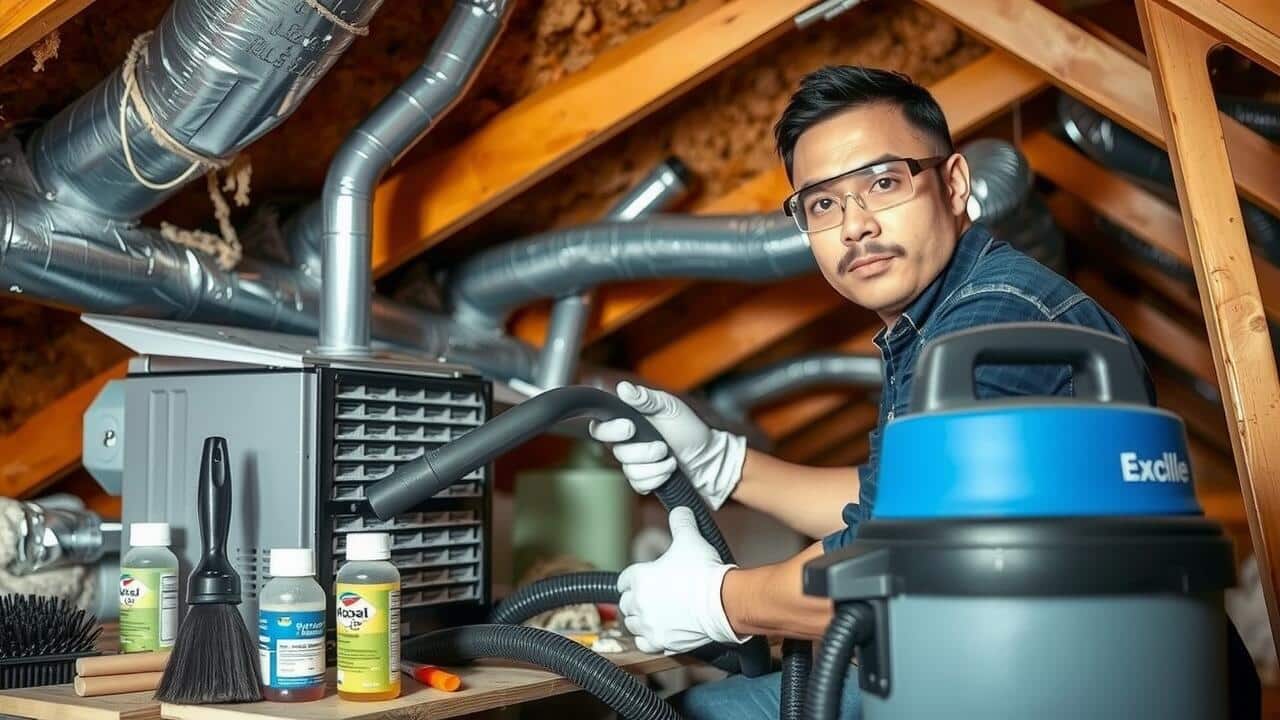
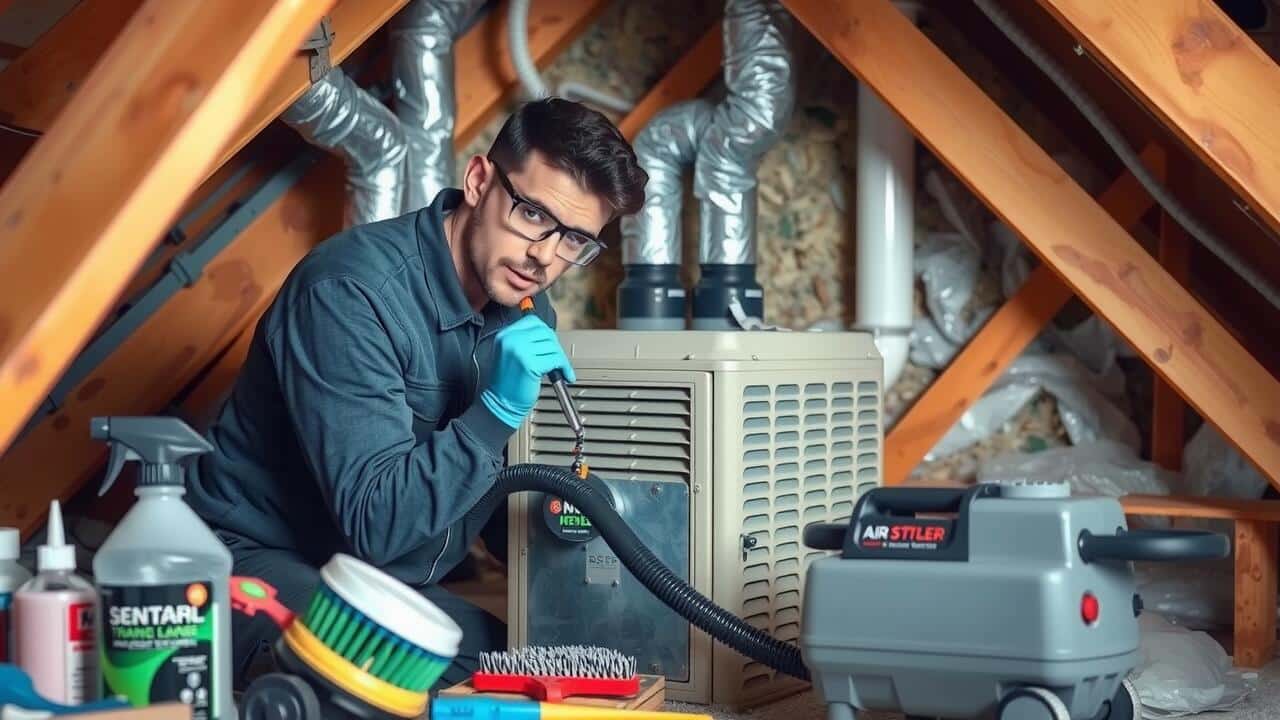
Cleaning mold from an air handler requires a systematic approach to ensure both efficiency and safety. Begin by using a vacuum with a HEPA filter to remove loose spores from accessible areas. Make sure to wear protective gear such as gloves and a mask to prevent inhalation of mold particles. After initial vacuuming, apply a commercial mold remover or a solution of water and vinegar to affected surfaces. Use a soft brush to scrub stubborn spots and allow the cleaner to sit for several minutes to penetrate the mold.
Once the mold has been removed, it is essential to disinfect the surfaces to prevent regrowth. Spray a disinfectant suitable for HVAC systems on all surfaces, focusing on areas that were heavily contaminated. Allow the disinfectant to air-dry to maximize its effectiveness. Regular Air Handler Cleaning is vital to maintain a healthy indoor environment and ensure that your HVAC system operates efficiently without circulating harmful spores. Staying consistent with this maintenance will significantly reduce the likelihood of mold returning.
Effective Techniques for Mold Removal
One effective technique for mold removal in an air handler involves using a mixture of water and mild detergent. This solution can help break down mold spores and lift them from surfaces. Applying this mixture with a soft brush or cloth ensures that hard-to-reach areas receive proper attention. After scrubbing, it’s essential to wipe down the surfaces with a clean cloth dampened with water to remove any residue and prevent further mold growth.
Another option includes using a solution of white vinegar or hydrogen peroxide to kill mold spores. Both substances are known for their antifungal properties and can be safely used in an air handler unit. Spraying the solution on affected areas allows it to penetrate and disinfect effectively. For complete safety during air handler cleaning, wearing protective gear, such as gloves and a mask, is crucial to prevent exposure to mold spores during the removal process.
Disinfecting Surfaces After Cleaning
After completing the mold removal process, disinfecting surfaces is crucial to prevent future growth. Using a solution specifically designed for mold spores, spray the interior surfaces of the air handler thoroughly. Ensure that every area that was previously affected by mold is treated. Allow the disinfectant to dwell for the recommended amount of time, usually between 10 to 15 minutes, to effectively kill any remaining spores. This step is essential in safeguarding the air quality and overall functionality of your system.
In addition to disinfecting, it’s wise to wipe down all surfaces with a clean cloth after the solution has had time to work. This helps remove any residual mold and ensures that surfaces remain clean and sanitized. For best results during your Air Handler Cleaning routine, inspect and repeat the disinfection process as needed, especially if moisture levels in the environment remain high. A proactive approach will go a long way in maintaining a mold-free air handler.
Best Practices for Mold Prevention
Preventing mold in an air handler begins with regular maintenance. Air Handler Cleaning should be part of a scheduled upkeep routine. Inspecting the unit at least twice a year can help identify any moisture build-up or other issues that might encourage mold growth. Keeping filters clean and replacing them as needed will also improve air quality and reduce the chances of mold taking hold inside the unit.
Proper ventilation plays a crucial role in mold prevention. Ensure that the air handler is located in a well-ventilated area with adequate airflow. Checking for leaks or condensation is vital, as these can create ideal conditions for mold proliferation. Implementing a dehumidifier in damp areas may further reduce humidity levels, making it less likely for mold to develop in and around the air handler.
FAQS
What should I wear when cleaning mold from the air handler?
It is recommended to wear protective gear such as gloves, goggles, and a mask to avoid inhaling mold spores or coming into contact with mold.
Can I use bleach to clean mold from the air handler?
While bleach can be effective in killing mold on non-porous surfaces, it is not recommended for use in air handlers as it can produce harmful fumes and may not effectively penetrate porous materials.
How often should I inspect my air handler for mold?
It is advisable to inspect your air handler at least once a year, but more frequent checks may be necessary if you notice humidity issues or mold growth in other areas of your home.
What are some signs that my air handler has mold?
Signs of mold in your air handler may include a musty odor, visible mold growth, and increased allergy symptoms when the system is running.
What should I do if the mold problem is extensive?
If you encounter a large amount of mold or are unsure about the cleaning process, it is best to contact a professional mold remediation service to ensure thorough and safe removal.