Table Of Contents
Step-by-Step Mold Removal Process
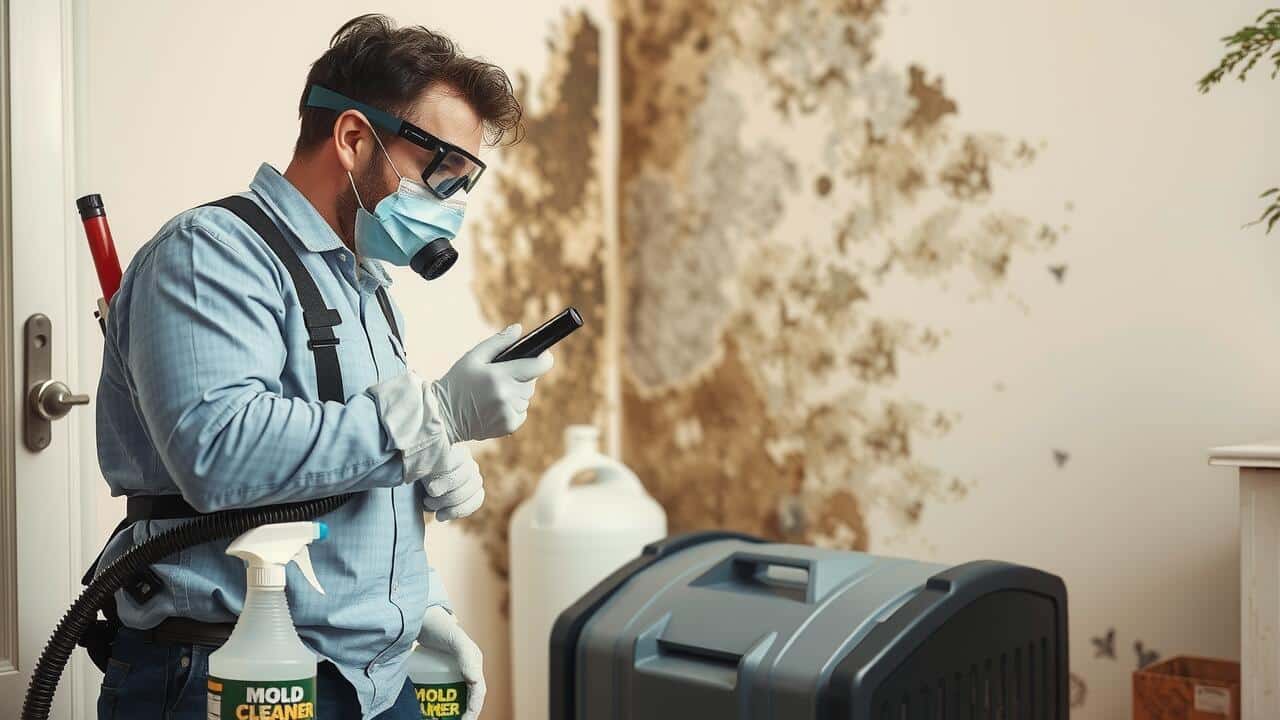
Mold remediation begins with a thorough assessment of the affected area. Identify the source of moisture, as this is crucial for preventing future growth. Before starting the cleanup, gather the necessary materials, including gloves, masks, and cleaning solutions that are effective against mold. It’s essential to ensure adequate ventilation in the space to avoid inhaling spores during the process. Protect nearby furnishings and areas from dust and debris.
Once you’ve prepared the area, remove any contaminated materials, such as drywall or carpeting, that cannot be salvaged. Clean surfaces with a mold removal solution, scrubbing to eliminate mold spores. After cleanup, allow the area to dry completely to reduce the risk of regrowth. Regularly monitor the space for any signs of mold returning. Following these steps diligently can help you effectively manage mold issues in your home.
Detailed Procedures for Effective Cleanup
Effective cleanup of mold requires careful preparation and adherence to safety protocols. Begin by sealing off the affected areas to prevent spores from spreading to other parts of the home. Using plastic sheeting, cover doorways and vents. Ensure proper ventilation by opening windows and using fans to circulate air, directing it outside if possible. Equip yourself with personal protective equipment, including gloves, masks, and goggles, to minimize exposure to mold spores during the removal process.
Once the area is secured, proceed to remove contaminated materials. Use a mold remediation solution or a mixture of detergent and water to scrub surfaces where mold is present. Porous materials, such as drywall or carpet, may need to be discarded instead of cleaned, as they can retain mold even after treatment. After cleaning, allow the area to dry thoroughly, as moisture can lead to more mold growth. Regularly inspect the cleaned areas to ensure mold does not return, implementing moisture control measures as necessary.
When to Call a Professional
Certain situations necessitate professional intervention for mold remediation. If the mold covers a large area, typically over 10 square feet, it is advisable to seek expert help. Professionals have the training and equipment to handle extensive infestations safely. They can also assess underlying issues contributing to moisture problems, which is essential for long-term solutions.
Additionally, specific health concerns may warrant professional mold remediation. Individuals with allergies, asthma, or weakened immune systems should avoid direct contact with mold. A specialized team can perform the cleanup while minimizing health risks. Their expertise ensures that proper safety measures are in place throughout the remediation process.
Situations That Require Expert Help
Certain situations warrant the assistance of professionals for mold remediation. If the mold covers a large area, typically more than ten square feet, it is advisable to seek expert help. Professionals possess specialized equipment and training to handle extensive mold issues safely. They can assess underlying problems, such as water leaks or structural damage, that may be contributing to mold growth.
Additionally, if there are health concerns, particularly for individuals with asthma or other respiratory conditions, consulting with mold remediation experts is essential. They can ensure that the environment is safely treated and thoroughly cleaned to eliminate potential health risks. Moreover, if mold is discovered in hidden areas like HVAC systems or behind walls, professional intervention may be necessary to remove the mold effectively.
Preventing Future Mold Growth
Maintaining a dry and well-ventilated environment is crucial in preventing future mold growth. Regularly check areas prone to moisture, such as basements, kitchens, and bathrooms. Ensuring that these spaces are adequately ventilated will help reduce humidity levels. Using dehumidifiers can also be effective in controlling excess moisture. Regular inspections allow homeowners to identify potential leaks or water intrusion early, which can be addressed before mold has a chance to take hold.
Implementing mold remediation strategies is essential in creating an inhospitable environment for mold spores. Applying mold-resistant paints and sealants can help protect surfaces from moisture infiltration. It’s also important to regularly clean and maintain areas where mold tends to thrive, such as shower curtains and grout lines. Being proactive in these preventive measures can significantly reduce the likelihood of mold returning after initial cleanup efforts.
Effective Strategies for Mold Prevention
Preventing mold growth requires proactive measures around the home. Regularly inspect areas susceptible to moisture, such as bathrooms and basements. Ensure proper ventilation in these spaces to minimize humidity levels. Use dehumidifiers in damp areas to help maintain optimal moisture balance. Seal any cracks and gaps in windows and walls to keep excess moisture from entering. Keeping indoor humidity between 30% and 50% is crucial for effective mold prevention.
Another important strategy involves maintaining cleanliness. Regularly clean and dry surfaces prone to mold, particularly after spills or water damage. Utilize mold-resistant products when renovating or building, incorporating mold-resistant paints and materials. In cases of persistent mold issues, consider professional mold remediation. This process not only eliminates existing mold but also helps identify and mitigate underlying causes to prevent future infestations.
FAQS
Can I remove mold from my home myself?
Yes, you can remove small amounts of mold yourself by following proper safety protocols and using effective cleaning methods. However, it’s essential to assess the extent of the mold problem before proceeding.
What materials do I need for DIY mold remediation?
You will need protective gear (gloves, mask, goggles), cleaning solutions (like vinegar or bleach), scrub brushes, a spray bottle, and disposable rags or paper towels for cleanup.
How can I tell if the mold problem is too big for me to handle?
If the mold covers an area larger than 10 square feet, if you have health concerns, or if the mold is in hard-to-reach places, it’s best to call a professional for help.
What are some effective strategies for preventing mold growth?
To prevent mold growth, keep humidity levels low, ensure proper ventilation, fix leaks promptly, and clean and dry any damp areas within 24-48 hours.
Is it safe to use bleach to clean mold?
While bleach can kill mold on non-porous surfaces, it is not always effective for porous materials and can produce harmful fumes. Consider using vinegar or specialized mold removers as safer alternatives.
