Table Of Contents
Interpreting Air Quality Test Results
Interpreting Air Quality Test results is crucial to understanding the health of your indoor environment. These tests typically measure a variety of pollutants, such as particulate matter, volatile organic compounds, carbon dioxide, and other harmful substances. Each pollutant has its own acceptable limits, which are often provided by regulatory bodies. When reviewing your results, it is important to compare your findings against these established standards to determine if your air quality falls within a safe range.
Air Quality Testing can reveal more than just the presence of pollutants. It can also help you identify specific sources of contamination. For instance, higher levels of carbon dioxide may indicate insufficient ventilation, while elevated volatile organic compounds could point to off-gassing from building materials or household products. Understanding these details allows homeowners to take targeted actions, improving overall air quality and ensuring a healthier living space.
Understanding Measurement Units and Standards
Air Quality Testing relies on various measurement units and standards to assess the levels of pollutants present in your home. Common units include parts per million (ppm) for gases like carbon dioxide and parts per billion (ppb) for more harmful substances such as volatile organic compounds. Understanding these units is crucial for interpreting test results accurately. Standards set by organizations like the Environmental Protection Agency (EPA) help define acceptable levels of these pollutants to ensure safe indoor environments.
The standards for air quality often vary based on the specific pollutant being measured. For instance, the acceptable concentration of radon gas might differ from that of particulate matter. Knowledge of these benchmarks can provide valuable context when evaluating the results from Air Quality Testing. Familiarity with guidelines helps homeowners understand whether their indoor air quality falls within safe limits or requires improvement.
Improving Indoor Air Quality
Improving indoor air quality is essential for creating a healthier home environment. Regular air quality testing can identify pollutants and allergens that may be affecting your family’s health. Simple actions like reducing the use of harsh chemicals, using air purifiers, and frequently changing HVAC filters can make a significant difference. It’s also important to keep humidity levels in check to prevent mold growth, which can be a major contributor to poor air quality.
Implementing effective ventilation strategies can enhance the air quality within your home. Opening windows and doors for fresh air circulation is a straightforward approach, while exhaust fans can help eliminate moisture and odors. Additionally, incorporating houseplants can naturally purify the air by absorbing toxins. Awareness of these factors combined with routine air quality testing ensures that your indoor environment remains safe and pleasant.
Effective Ventilation Strategies
Proper ventilation is essential for maintaining a healthy indoor environment. It reduces indoor air pollutants by bringing in fresh outdoor air to dilute contaminants. Simple strategies include opening windows and doors when weather permits. Utilizing exhaust fans in kitchens and bathrooms can enhance airflow and help remove moisture and odors.
Another effective method is to install a balanced ventilation system, which ensures a constant exchange of indoor and outdoor air. These systems not only help in regulating temperature but also support air quality management by minimizing the accumulation of harmful substances. Complementing these strategies with regular air quality testing can provide valuable insights into the effectiveness of ventilation efforts.
Air Quality Monitoring Devices
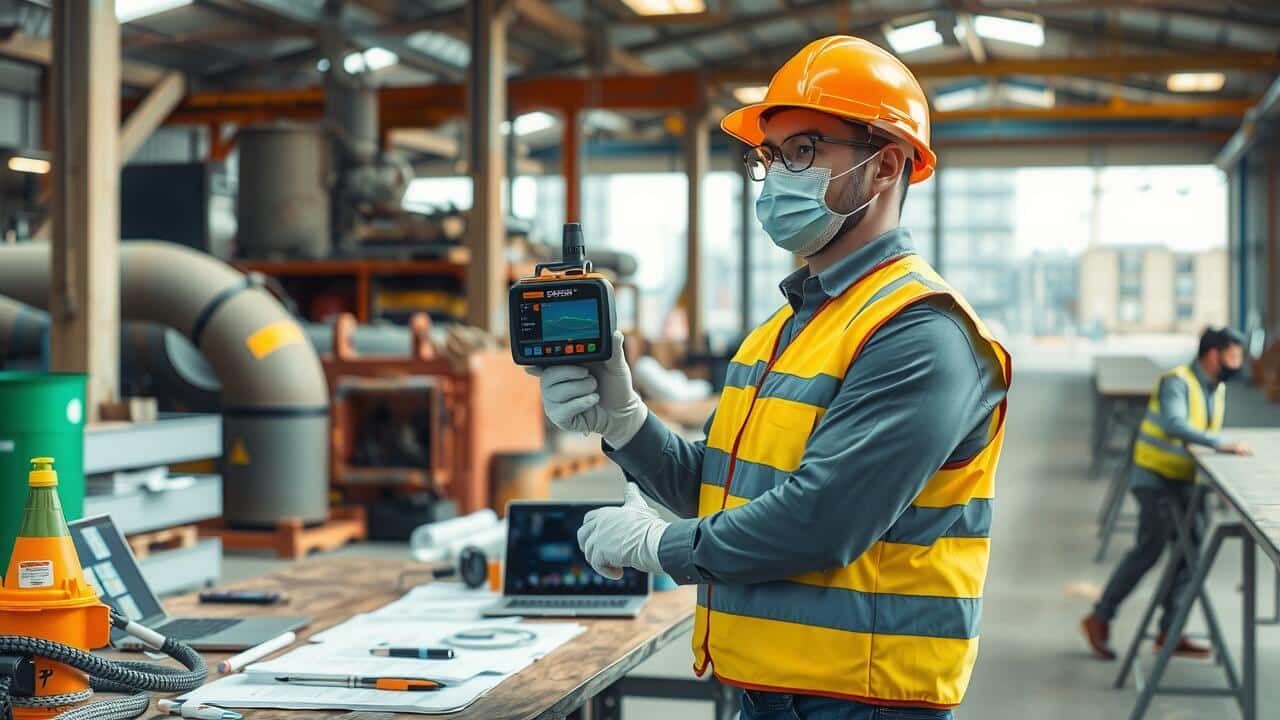
Air quality monitoring devices have become essential tools for evaluating indoor environments. These devices often leverage advanced sensors to detect pollutants like volatile organic compounds (VOCs), particulate matter (PM), and carbon dioxide levels. Since air quality testing plays a significant role in maintaining a healthy living area, selecting a reliable monitor can provide valuable insights into your home’s air quality.
When considering air quality monitoring devices, it is important to focus on features that enhance usability and effectiveness. Look for tools with real-time data reporting, user-friendly interfaces, and the ability to connect to smartphones or home networks. Some advanced models may also include alerts for when pollutant levels exceed safe thresholds, further supporting proactive management of indoor air quality.
Features to Look For in Monitors
When selecting an air quality monitor, it’s essential to consider the range of pollutants it can detect. Common measurements include particulate matter (PM2.5 and PM10), volatile organic compounds (VOCs), carbon dioxide (CO2), and humidity levels. These features enable comprehensive air quality testing by providing data on various indoor pollutants. A monitor with multiple sensors will give a more accurate picture of the environment, helping to identify specific issues that may need addressing.
Another important aspect is the device’s ease of use. Look for monitors with user-friendly interfaces and clear displays, so you can easily interpret the readings. Connectivity options, such as Wi-Fi or Bluetooth, can also enhance functionality, allowing you to access real-time data on your smartphone or tablet. This level of accessibility ensures that you stay informed about your home’s air quality and can take proactive measures to improve it.
FAQS
What are the common pollutants I should test for in my home?
Common indoor air pollutants include volatile organic compounds (VOCs), carbon monoxide, radon, mold, and particulate matter. Testing for these can help identify potential air quality issues.
How often should I test the air quality in my home?
It is recommended to test your air quality at least once a year, or more frequently if you notice changes in symptoms related to allergies or respiratory issues, or if you’ve made significant renovations.
Can I test my home’s air quality on my own?
Yes, you can use DIY air quality test kits available in stores or online. However, for comprehensive analysis, consider hiring a professional service that can provide a detailed assessment.
What types of devices can I use to monitor indoor air quality?
There are various air quality monitoring devices available, including handheld testers, wall-mounted units, and smart home devices that track pollutants and provide real-time data.
How can I improve the air quality in my home after testing?
Improving air quality can involve measures such as increasing ventilation, using air purifiers, regular cleaning, minimizing the use of VOCs, and maintaining humidity levels to prevent mold growth.