Table Of Contents
Safety Considerations When Using Vinegar
When considering vinegar for home sanitizing, it is essential to recognize its limitations. Vinegar is an acid, which can be harmful to certain surfaces and materials. Frequent use on natural stone, such as granite or marble, can lead to etching or damage. It is crucial to test a small, inconspicuous area before applying vinegar as a cleaner. Additionally, combining vinegar with bleach produces toxic chlorine gas, posing serious health risks.
Users should also be mindful of the fragrances and additives in some commercial vinegar products. These may alter the effectiveness of vinegar for sanitizing purposes. Proper ventilation while using vinegar is vital to minimize inhalation of any strong odors. Maintaining safety should always be a priority during home sanitizing processes, especially when using any strong cleaning agents.
Proper Handling and Usage Tips
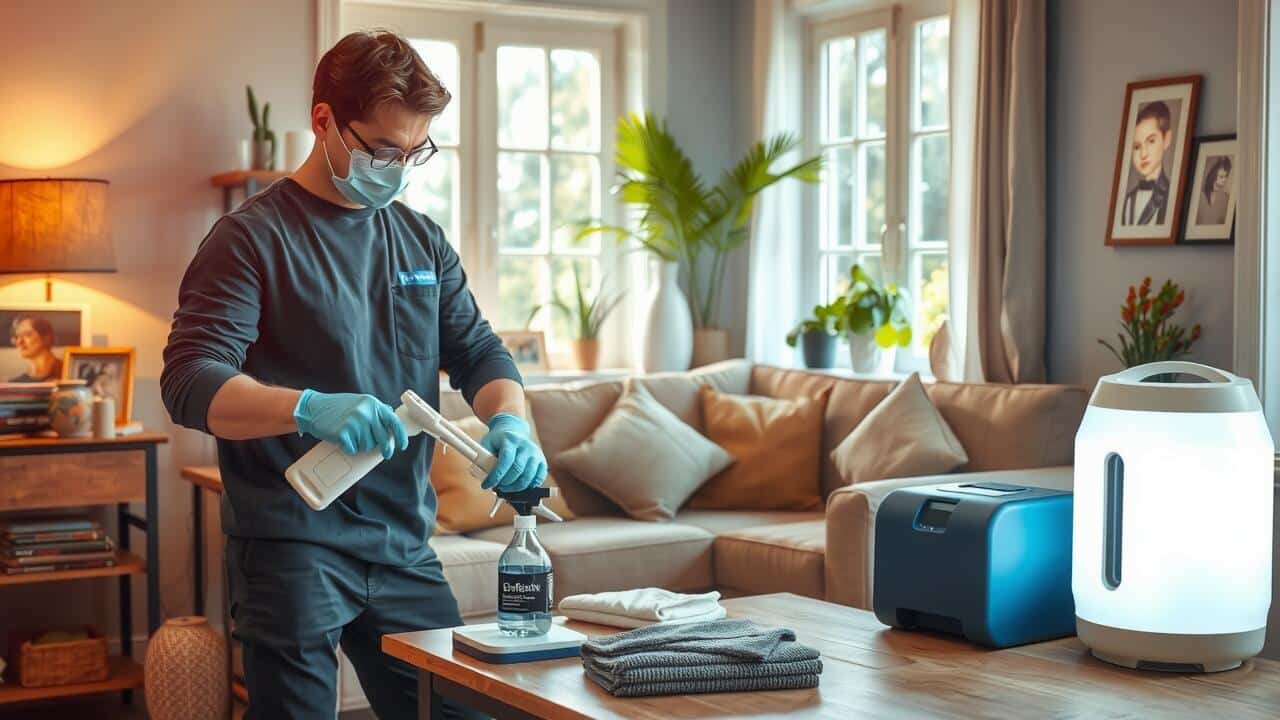
When using vinegar for home sanitizing, consider wearing gloves to protect your skin from potential irritation. Always use a clean spray bottle dedicated to this purpose, as mixing vinegar with other cleaners can create harmful reactions. It is also essential to ensure that the surfaces are pre-cleaned before applying vinegar, as debris can hinder its effectiveness.
Ventilation is crucial when working with vinegar, especially in smaller spaces. Open windows or use fans to improve airflow while sanitizing areas like countertops and sinks. Allow the vinegar to sit for a few minutes before wiping it away to maximize its sanitizing properties. Proper handling and application are key to achieving the best results when using vinegar for home sanitizing.
Scientific Studies on Vinegar’s Efficacy
Research into vinegar’s effectiveness as a disinfectant has shown varying results depending on the concentration used and the type of pathogens targeted. Studies suggest that vinegar can inactivate certain bacteria and viruses to some extent. However, many experts caution that while vinegar may be useful for home sanitizing, it does not meet the standards set by agencies like the Environmental Protection Agency for a true disinfectant. Typical household vinegar, which contains about 5% acetic acid, often proves insufficient against more resilient pathogens, such as human norovirus.
Some investigations have compared vinegar’s antimicrobial properties to other household substances. While it shows potential as a sanitizing agent, its efficacy may not be as pronounced as stronger chemical disinfectants. The concentrations needed to achieve better microbial reduction could also lead to corrosion or damage to surfaces. Hence, during home sanitizing, individuals might need to consider balancing vinegar’s benefits with its limitations, assessing the most appropriate environments and applications for its use.
Research Findings and Conclusions
Numerous studies have explored the effectiveness of vinegar as a disinfectant. While vinegar has properties that can reduce microbial presence, it does not meet the stringent criteria for broad-spectrum disinfection set by health authorities. Research indicates that vinegar may be useful for home sanitizing against some bacteria and mold, but its efficacy is limited compared to commercially available sanitizers. Factors such as concentration and contact time play a significant role in determining whether vinegar can effectively eliminate germs.
When evaluating alternative natural cleaning agents, vinegar often falls short in comprehensive disinfection tasks. Although its acidity can disrupt certain pathogens, findings suggest that for critical sanitizing practices, particularly in kitchens and bathrooms, more potent solutions may be necessary. Individuals seeking to maintain a clean environment should consider these limitations while incorporating vinegar into their home sanitizing routines. Balancing its use with other disinfectants may enhance overall cleanliness and safety.
Alternative Natural Disinfectants
Natural disinfectants offer another layer of cleaning power for those interested in alternatives to traditional chemical products. Ingredients like hydrogen peroxide and essential oils, such as tea tree oil or eucalyptus oil, are effective at eliminating a variety of germs and bacteria. These substances can often be just as effective as vinegar in certain applications, making them suitable options for home sanitizing. Additionally, many of these alternatives have pleasant scents, enhancing the overall cleaning experience.
When selecting natural disinfectants, it is important to consider the specific surfaces and materials involved. For instance, hydrogen peroxide is particularly effective on hard surfaces and is commonly used in medical settings due to its strong antibacterial properties. Essential oils can provide a more holistic approach and may contribute to a calming atmosphere while serving as natural sanitizing agents. Understanding the strengths and limitations of each option can help ensure effective cleaning and home sanitizing practices.
Comparing Vinegar with Other Natural Options
When exploring natural disinfectants, it’s beneficial to consider options beyond vinegar. Essential oils, particularly tea tree and eucalyptus, have demonstrated antimicrobial properties. These oils are often added to cleaning solutions for their pleasant scents and effectiveness in home sanitizing. Another alternative is hydrogen peroxide, a common household item that can serve as a powerful disinfectant without harsh chemicals.
Baking soda is also a popular option for those seeking a natural approach to cleaning. While it may not have the same disinfecting capabilities as vinegar or essential oils, it works well for deodorizing and scrubbing surfaces. Combining these natural options can enhance home sanitizing efforts, creating a safer and more environmentally friendly cleaning routine. Users can rotate between these substances to achieve a more comprehensive sanitation strategy.
FAQS
Can vinegar be used as a disinfectant?
Vinegar has some antibacterial properties and can help sanitize surfaces, but it is not as effective as commercial disinfectants in killing all types of germs and viruses.
Is vinegar safe to use on all surfaces?
While vinegar is generally safe for many surfaces, it can damage natural stone, waxed surfaces, and certain fabrics. Always test a small area first before applying it widely.
What concentrations of vinegar are most effective for sanitizing?
A solution of at least 5% acetic acid, which is the standard for most household vinegar, is effective for basic sanitizing tasks but may not be sufficient for complete disinfection.
How does vinegar compare to bleach as a disinfectant?
Bleach is a much stronger disinfectant and is effective against a wider range of pathogens than vinegar. However, vinegar is a safer alternative for those looking for a non-toxic option.
Can I mix vinegar with other cleaning products for better results?
It is not recommended to mix vinegar with other cleaning products, especially bleach, as it can produce harmful gases. Use vinegar on its own for safety and best results.
