Table Of Contents
DIY vs. Professional Air Duct Sanitization
Many homeowners consider DIY air duct sanitizing as a cost-effective solution, believing they can tackle the job with basic cleaning supplies and tools. While some tasks, like removing dust and debris, might be manageable, achieving a thorough sanitization often requires specialized equipment and knowledge about appropriate cleaning agents. A keen understanding of the layout and potential contaminants within the ducts is vital for effective DIY methods.
On the other hand, professional air duct sanitizing services offer expertise that can greatly enhance the effectiveness of the cleaning process. Professionals are trained to identify and address issues like mold, bacteria, and allergens that may be present in the ductwork. They utilize high-powered vacuums, chemical agents, and advanced techniques to ensure a comprehensive clean, which may be beyond the capabilities of most homeowners attempting the task on their own.
Evaluating the Best Approach for Your Needs
When considering the best approach to air duct sanitizing, homeowners should weigh the benefits of DIY methods against hiring professionals. A DIY approach can be cost-effective for those who are handy and willing to invest time into learning the proper techniques. Simple cleaning tools and basic sanitizing solutions are often enough for light maintenance. However, this method may lack the thoroughness and efficiency that comes from using specialized equipment.
On the other hand, hiring professional services for air duct sanitizing ensures a comprehensive clean and access to advanced techniques. Professionals can identify hidden issues and provide recommendations based on the specific needs of your HVAC system. This option may involve higher initial costs but can lead to better long-term results through improved air quality and system efficiency. Evaluating your specific circumstances and preferences will help you determine which method aligns best with your needs.
Safety Precautions When Sanitizing Air Ducts
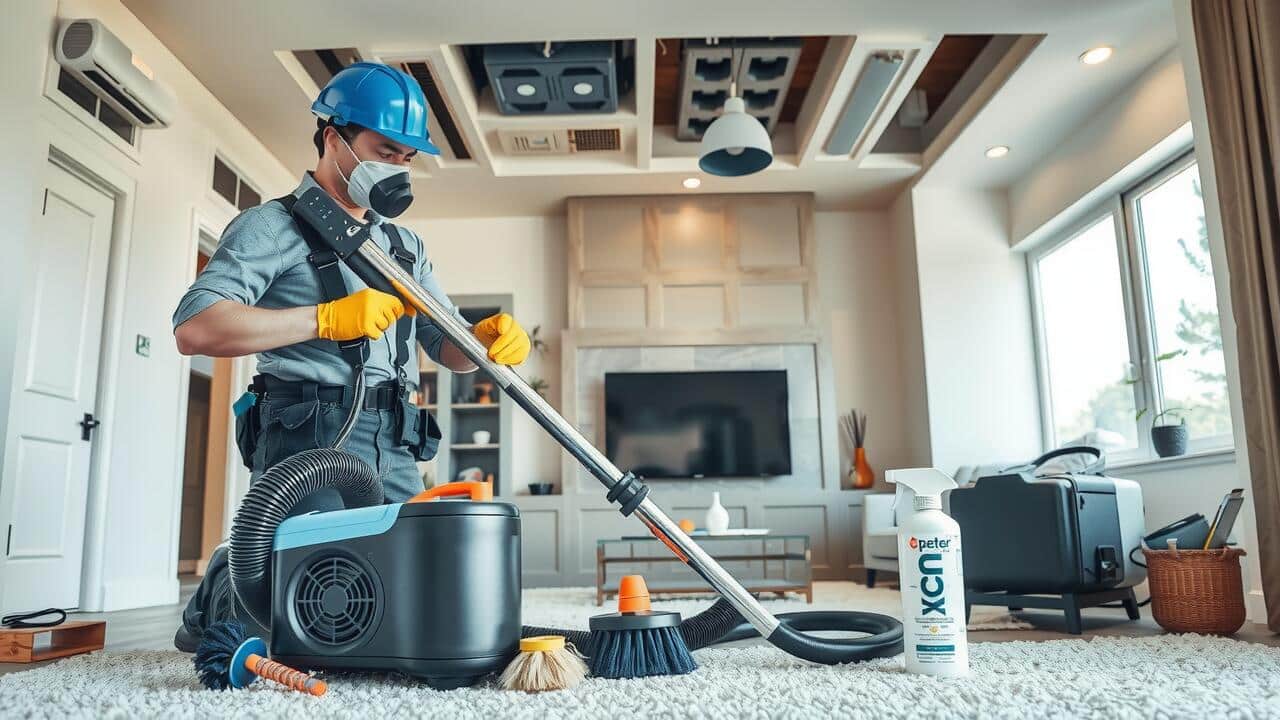
Safety is paramount when undertaking air duct sanitizing. Before starting, ensure that all power to the HVAC system is turned off. This will prevent unexpected operation while cleaning and reduce the risk of injury. Wear appropriate personal protective equipment, such as gloves, masks, and goggles, to shield yourself from dust and debris that may be released during the process. Proper ventilation in the workspace is essential to minimize exposure to any cleaning agents that may be used.
Consider the age and condition of the air ducts prior to sanitizing. If there are signs of mold, asbestos, or other hazardous materials, professional help may be required to ensure safe and effective treatment. Always read the labels on any sanitizing products to avoid chemical interactions that could pose safety risks. Regularly inspect your tools and equipment for any damage that could compromise safe air duct sanitizing practices.
Tips for Ensuring Safe Practices
When undertaking any air duct sanitizing task, it’s essential to wear protective gear to minimize exposure to dust and allergens. High-quality masks can filter out fine particles, while gloves protect hands from irritants. Eye protection is also advisable, as debris may be dislodged during the process. Ensure proper ventilation in the space to maintain air quality while working.
Before starting the sanitization, turn off the HVAC system to prevent dust and particles from circulating. Inspect the ducts for damage or significant buildup, as this may require specialized attention. Use approved sanitizing agents that are safe for indoor air quality. Following manufacturer instructions on these products is crucial for effective and safe sanitization.
Frequency of Air Duct Sanitization
The frequency of air duct sanitizing can significantly influence the air quality in your home or business. Typical recommendations suggest that air ducts should be cleaned every three to five years, depending on various factors. If you have pets, live in a dusty environment, or experience allergies, more frequent sanitization may be warranted. Monitoring your ductwork for visible dust buildup can also help determine when it’s time to schedule a cleaning.
In addition to external factors, the efficiency of your HVAC system plays a role in the need for air duct sanitizing. Clogged or dirty ducts can hinder airflow, leading to increased energy costs and potential system damage. Regular inspections can help identify when cleaning is necessary, ensuring that your air ducts remain in good condition and continue to provide clean air throughout your space.
How Often Should You Clean Your Ducts?
Regular maintenance of your air ducts plays a crucial role in ensuring a clean and healthy indoor environment. Generally, it is recommended to have air ducts cleaned and sanitized every three to five years. This timeline can vary based on several factors, including the presence of pets, smoking habits, and the amount of dust and dirt in your home. In areas with high levels of pollution or during renovations, more frequent air duct sanitizing may be necessary.
Monitoring the air quality in your home is essential. If you notice excessive dust accumulation, unpleasant odors, or increased allergy symptoms, it might be a sign that your air ducts require immediate attention. Such indicators can prompt homeowners to reassess their air duct sanitizing schedule and take action sooner than initially planned.
FAQS
What is the best method for sanitizing air ducts?
The best method for sanitizing air ducts can vary depending on individual circumstances. DIY methods often involve using a vacuum and cleaning agents, while professional services typically use specialized equipment and techniques to ensure thorough sanitization.
How often should I have my air ducts sanitized?
It’s generally recommended to sanitize your air ducts every 3 to 5 years, but this can vary based on factors such as your location, whether you have pets, or if anyone in your home has allergies or respiratory issues.
Are there any safety precautions I should take when sanitizing air ducts myself?
Yes, it’s important to wear protective gear such as gloves, goggles, and a mask to avoid inhaling dust or cleaning chemicals. Additionally, ensure proper ventilation in the area where you are working.
Can I use household cleaning products to sanitize my air ducts?
While some household cleaning products may be safe for cleaning, it is advisable to use products specifically designed for air duct sanitization to ensure effectiveness and avoid damage to your heating and cooling system.
What are the signs that my air ducts need sanitization?
Signs that your air ducts may need sanitization include visible dust or debris coming from vents, a musty or unpleasant odor, increased allergy or respiratory issues among residents, or a noticeable drop in air quality.
