Table Of Contents
Cleaning the Blower Fan
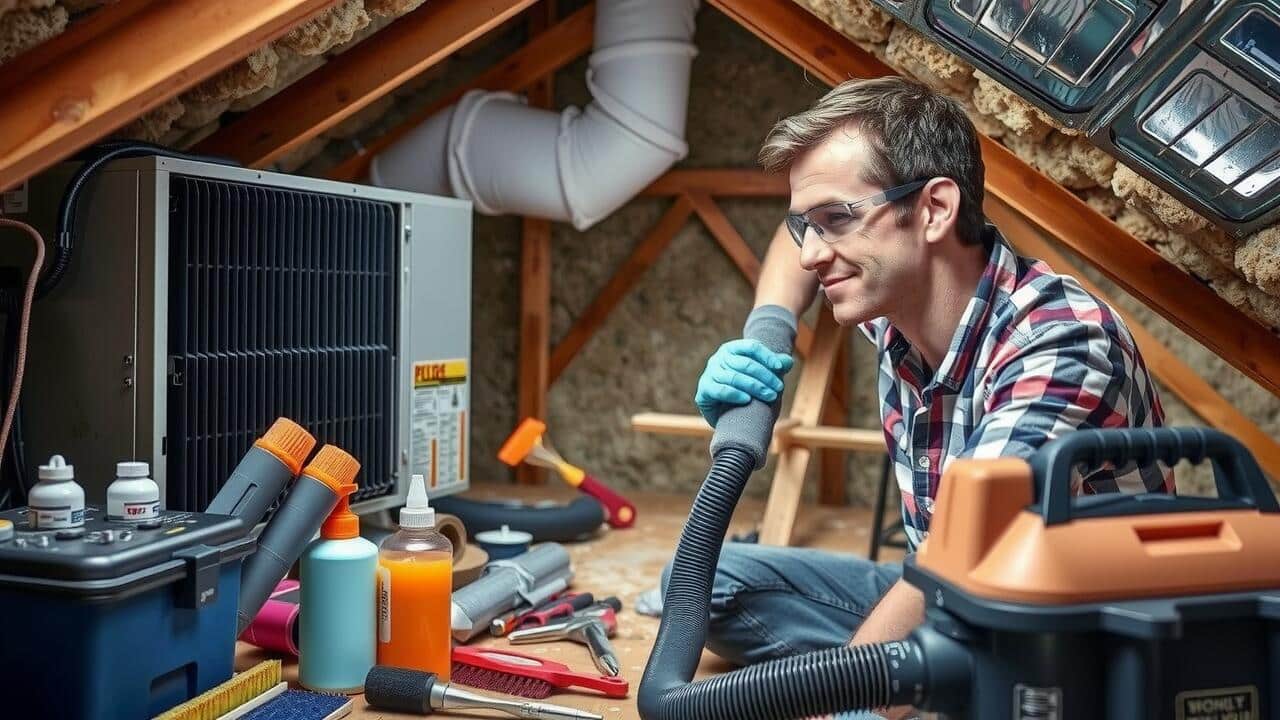
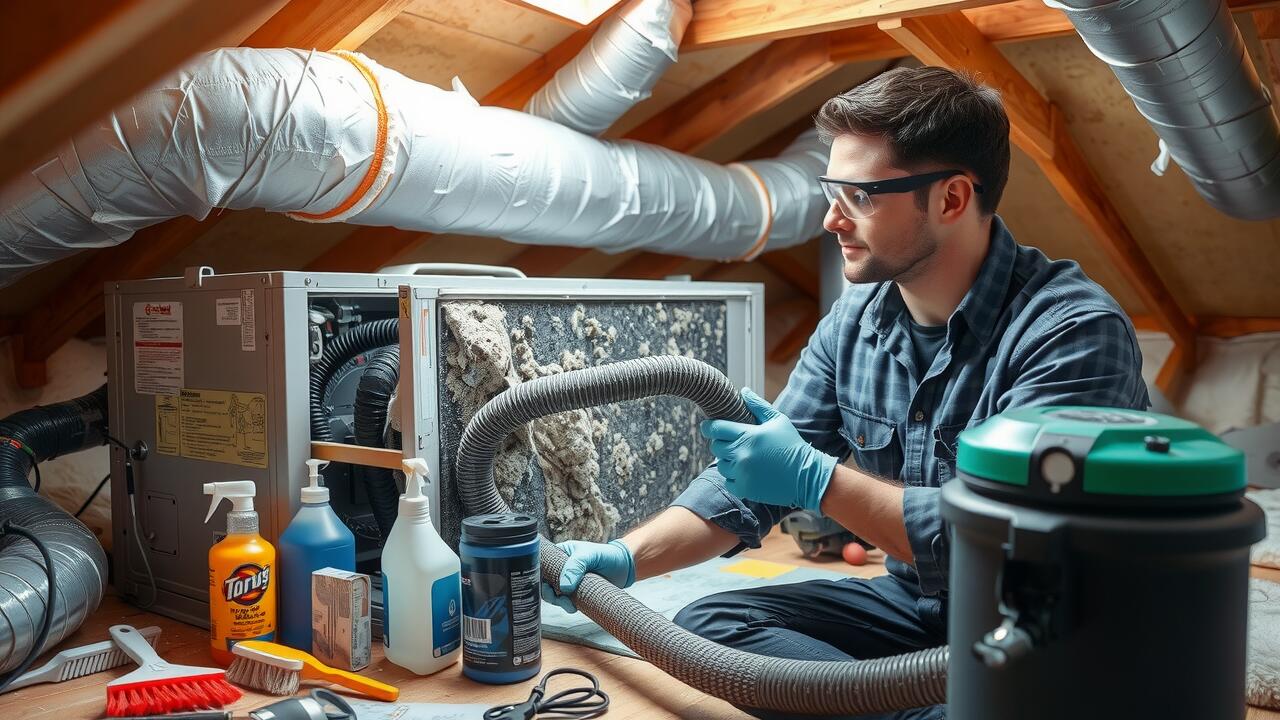
Cleaning the blower fan is an essential part of air handler maintenance that ensures efficient operation. Begin by turning off the power to the unit to avoid any risk of electrical shock. Once the power is disconnected, remove the access panel carefully to expose the blower assembly. Using a soft brush, gently remove dust and debris from the fan blades, avoiding any vigorous scrubbing that could damage the components.
After the initial dusting, a damp cloth can be used to wipe down the blades and the surrounding area. For more stubborn grime, an air handler cleaning solution can be applied. Make sure to follow the manufacturer’s guidelines for any specific cleaning products to prevent any harm to the fan. Pay attention to the motor and other moving parts as you clean to keep them free from obstruction and dirt buildup.
Recommended Cleaning Solutions
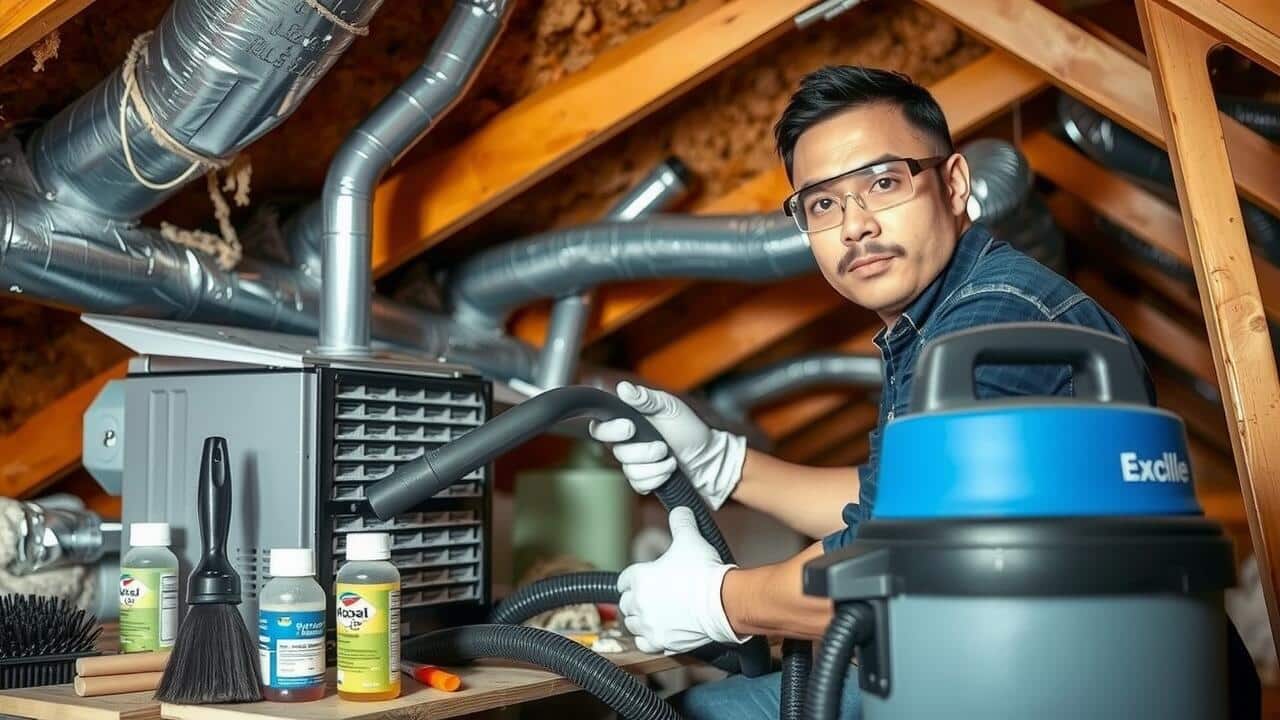
When it comes to Air Handler Cleaning, selecting the right cleaning solution is essential for maintaining efficiency. A mixture of warm water and mild detergent works well for removing dust and grime. Alternatively, specialized commercial cleaners designed for HVAC systems can also yield effective results. These products often contain formulations that target mold and mildew, which can accumulate within the air handler over time.
For more challenging deposits, a solution of vinegar and water can be used. This natural option helps break down stubborn buildup without the harsh chemicals found in some commercial cleaners. Always ensure that any cleaning solution is compatible with the materials used in your air handler to prevent damage. Additionally, remember to turn off power to the unit before starting any cleaning process to ensure safety.
Inspecting for Wear and Tear
Regular inspection of the blower and its components is crucial for maintaining the efficiency of your air handler. Look for signs of wear and tear, such as frayed belts, rusted parts, or worn bearings. Any irregularities can hinder performance or lead to further damage. Make a habit of checking the condition of mounts and brackets as well. A thorough Air Handler Cleaning routine should include assessing these components alongside the actual cleaning process.
Pay attention to the blower motor during your inspection. If it shows signs of excessive heat or unusual noises, it may indicate a need for repair or replacement. Inspect the fan blades for dirt buildup, which can also lead to imbalance and strain on the motor. These proactive steps during your Air Handler Cleaning can help extend the lifespan of the unit and improve overall air quality in your space.
Identifying Common Issues
When conducting air handler cleaning, it is essential to identify common issues that may affect the efficiency of the blower. One prevalent problem is the buildup of dust and debris around the fan blades and housing. This accumulation can hinder airflow and increase energy consumption, which ultimately leads to higher utility bills. Additionally, check for any signs of rust or corrosion that might indicate moisture issues within the air handler unit.
Another common issue to look for is abnormal noise coming from the blower during operation. This sound could indicate a malfunctioning motor or misaligned fan blades. Vibration can also suggest that components need to be tightened or adjusted. Addressing these problems during your air handler cleaning routine helps ensure optimal performance and prolongs the life of the system.
Reassembling the Air Handler
After completing the cleaning process, reassembling the air handler is crucial for ensuring optimal performance. Begin by carefully reversing the disassembly steps. Align the components properly to avoid any misalignment, which could lead to operational issues. Ensure that any rubber gaskets or seals are in place to prevent air leaks. This step is vital, as it maintains the efficiency of the system and reduces energy costs.
Once everything is aligned, securely fasten all screws and bolts to prevent any vibrations or noise during operation. Pay particular attention to the access panel, making sure it is properly sealed. A well-sealed access panel not only enhances performance but also contributes to the longevity of the system. After reassembling, conduct a brief inspection before restarting the unit. Proper Air Handler Cleaning plays a significant role in maintaining a healthy indoor environment and prolonging the life of your equipment.
Properly Sealing the Access Panel
After completing the cleaning and maintenance process, sealing the access panel properly is essential. This ensures that dust and debris do not re-enter the air handler system. Inspect the gaskets or seals around the panel for any signs of wear. Damaged seals can lead to air leaks, reducing the efficiency of the unit. Use a suitable adhesive or replacement seals as necessary to achieve a tight fit.
Before securing the access panel, double-check that all components are reassembled correctly. Loose parts can create vibrations or noise during operation. When the panel is aligned and in place, fasten it with screws or latches as designed by the manufacturer. Proper sealing not only enhances the performance of the air handler but also contributes to the long-term effectiveness of any Air Handler Cleaning efforts.
FAQS
How often should I clean my air handler blower?
It is recommended to clean your air handler blower at least once a year, ideally before the start of the heating or cooling season, to ensure optimal performance and efficiency.
What cleaning solutions are safe to use on an air handler blower?
Mild detergents mixed with warm water or specialized HVAC cleaner solutions are safe to use. Avoid harsh chemicals that could damage the components or leave harmful residues.
What signs indicate that my air handler blower needs cleaning?
Signs that your air handler blower may need cleaning include reduced airflow, unusual noises, an increase in energy bills, and visible dust or dirt buildup on the blower fan.
Can I clean the air handler blower myself, or should I hire a professional?
While you can clean the air handler blower yourself if you follow safety precautions and manufacturer guidelines, hiring a professional is advisable if you are unsure about the process or if your system requires more extensive maintenance.
How can I properly seal the access panel after cleaning the air handler blower?
Ensure that the access panel is aligned correctly, use the original screws to secure it tightly, and check for any gaps that may need weather stripping to prevent air leaks.