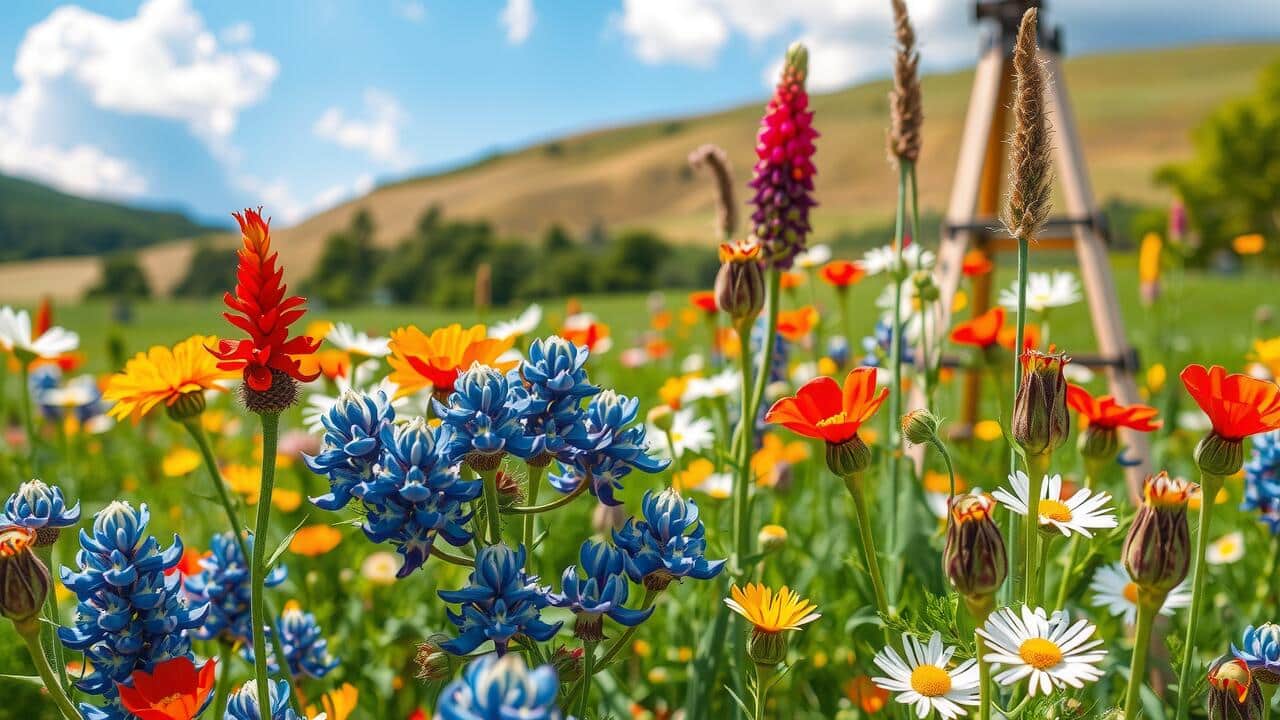
Conservation of Wildflower Habitats
Austin‘s diverse ecosystems are home to a variety of wildflower species that are crucial to the region’s ecological balance. The rapid expansion of urban areas and agricultural practices has led to significant habitat loss, putting pressure on these native plants. Conservation efforts focus on restoring natural landscapes and creating protected areas to safeguard these habitats. Local organizations engage in habitat restoration projects, often involving community members in planting native species and removing invasive plants that threaten local flora.
Additionally, education plays a vital role in conservation initiatives. Residents are encouraged to recognize and appreciate the beauty and importance of wildflowers in their environment. Workshops and community events promote awareness about the ecological roles of these plants, including their support of pollinator populations. By fostering a connection between the community and its natural surroundings, efforts to conserve wildflower habitats gain wider support and participation, ensuring the longevity of Austin’s floral diversity.
Efforts to Preserve Native Plant Species
Conservation initiatives play a crucial role in maintaining the diversity of native plant species in the Austin area. Various organizations and local communities work together to restore natural habitats, ensuring that native flowers can thrive amid encroaching urbanization. Educational programs raise awareness about the importance of preserving these species, fostering a culture that values the unique flora native to Texas. Partnerships with local universities and environmental groups enhance research efforts focused on identifying and protecting vulnerable plant populations.
Efforts include seed conservation projects, where local experts collect and store seeds of native species for future restoration projects. Restoration activities often involve planting native species in designated areas, helping to improve ecosystem resilience. Volunteer programs engage the public in hands-on activities, thereby cultivating a sense of ownership over local natural resources. These collective actions help to counter the threats posed by invasive species and habitat loss, ensuring that Austin’s wildflower heritage remains vibrant for generations to come.
Benefits of Wildflowers to Local Ecosystems
Wildflowers play a vital role in maintaining the health and diversity of local ecosystems. They provide essential food sources for a wide range of pollinators, including bees, butterflies, and birds. In addition to supporting wildlife, wildflowers contribute to soil health through their deep root systems, which help to prevent erosion and improve water retention. The presence of diverse flowering plants also fosters a more complex network of biological interactions, enriching the habitat for various species.
The seasonal blooms of wildflowers create vibrant landscapes that attract both wildlife and human visitors alike. These plants also help in regulating local climates by promoting moisture retention in the air and soil. As a result, wildflowers enhance the aesthetic beauty of the region while playing a crucial part in the ecological balance. Their ability to thrive in challenging environments makes them key players in the resilience of local landscapes, adapting to changes and contributing to the overall stability of the ecosystem.
Importance of Biodiversity in Austin
The diverse range of plant and animal species found in Austin contributes to the overall health of the environment. Biodiversity supports ecosystem functions, such as pollination and nutrient cycling, which are vital for maintaining the balance of natural habitats. The presence of native wildflowers plays a crucial role in attracting pollinators like bees and butterflies, ensuring that these populations can thrive alongside local vegetation.
In addition to ecological benefits, biodiversity enriches the quality of life for residents. Green spaces filled with native flora not only provide aesthetic value but also promote mental well-being and recreational opportunities. Communities that prioritize the preservation of diverse plant species enjoy enhanced resilience against environmental changes. The interconnection between species fosters a sense of harmony and stability, making Austin’s natural landscapes essential for both environmental health and community vitality.
Photography Tips for Capturing Wildflowers
When photographing wildflowers, consider the time of day for optimal lighting. Early morning or late afternoon, known as the golden hour, provides soft, warm light that enhances the colors and details of the flowers. Shadows can be harsh during midday, diminishing the vibrancy of the blooms. Use this natural light to your advantage, ensuring that your images capture the true beauty of the wildflowers.
Composition is essential in floral photography. Utilize techniques such as the rule of thirds to create balance in your shots. Experiment with angles and perspectives, focusing on unique features of individual flowers or embracing the surrounding environment. Incorporating elements like leading lines or framing can add depth to your images. Always be mindful of the background, striving for simplicity to avoid distracting from your main subject.
Techniques for Stunning Floral Images
Capturing the beauty of wildflowers requires an understanding of both composition and natural light. Utilizing a shallow depth of field can create a stunning effect, allowing the flowers to stand out against a beautifully blurred background. Experimenting with angles is also crucial; shooting from a lower perspective can add depth and showcase the flower’s unique details.
Lighting plays a significant role in photography, as early morning or late afternoon sun provides soft, warm tones that enhance colors without harsh shadows. Using natural light to your advantage can make a major difference in the vibrancy of your images. Incorporating elements like water droplets or backlighting can further elevate the aesthetic, bringing a fresh and dynamic quality to your floral photography.
FAQS
What are the main conservation efforts for wildflower habitats in Austin?
Conservation efforts in Austin focus on protecting natural habitats, restoring native plant species, and educating the public about the importance of preserving wildflower ecosystems.
Why are native plant species important to the ecosystem in Austin?
Native plant species support local wildlife, promote biodiversity, and help maintain the ecological balance. They are adapted to the local climate and soil, making them crucial for sustainable ecosystems.
How do wildflowers benefit local ecosystems?
Wildflowers provide essential food resources for pollinators, contribute to soil health, prevent erosion, and enhance the beauty of natural landscapes, all of which are vital for ecological stability.
What is the significance of biodiversity in Austin’s wildflower populations?
Biodiversity in wildflower populations ensures resilience to environmental changes, supports various wildlife species, and contributes to the overall health of the ecosystem, making it more robust and sustainable.
What techniques can I use for photographing wildflowers effectively?
To capture stunning images of wildflowers, consider using natural lighting, experimenting with different angles, focusing on details, and using a shallow depth of field to create a beautiful blur effect in the background.
Wildflower, Austin
Services Provided by Ultra Air Duct Cleaning & Restoration Austin in the Wildflower, Austin area:
Furnace Cleaning
Dryer Vent Cleaning
Chimney repair
Mold Remediation
Air Filter Replacement
Air Duct Cleaning
Chimney cleaning
Chimney sweep
Fire damage restoration service
Air Duct Sanitizing
Air Duct Video Inspection
Air Duct Installation
Air Duct Troubleshooting
Air Duct Repair
Blower Motor Cleaning
Air Handler Cleaning
Air Quality Testing
Insulation contractor
Air Duct Odor Removal
Air Duct Insulation
Air Duct Sealing
Air Duct Maintenance
Gutter cleaning service
Carpet cleaning service
Upholstery cleaning service
Commercial Air Duct Cleaning
UV Light Installation
Home Sanitizing
Water damage restoration service